
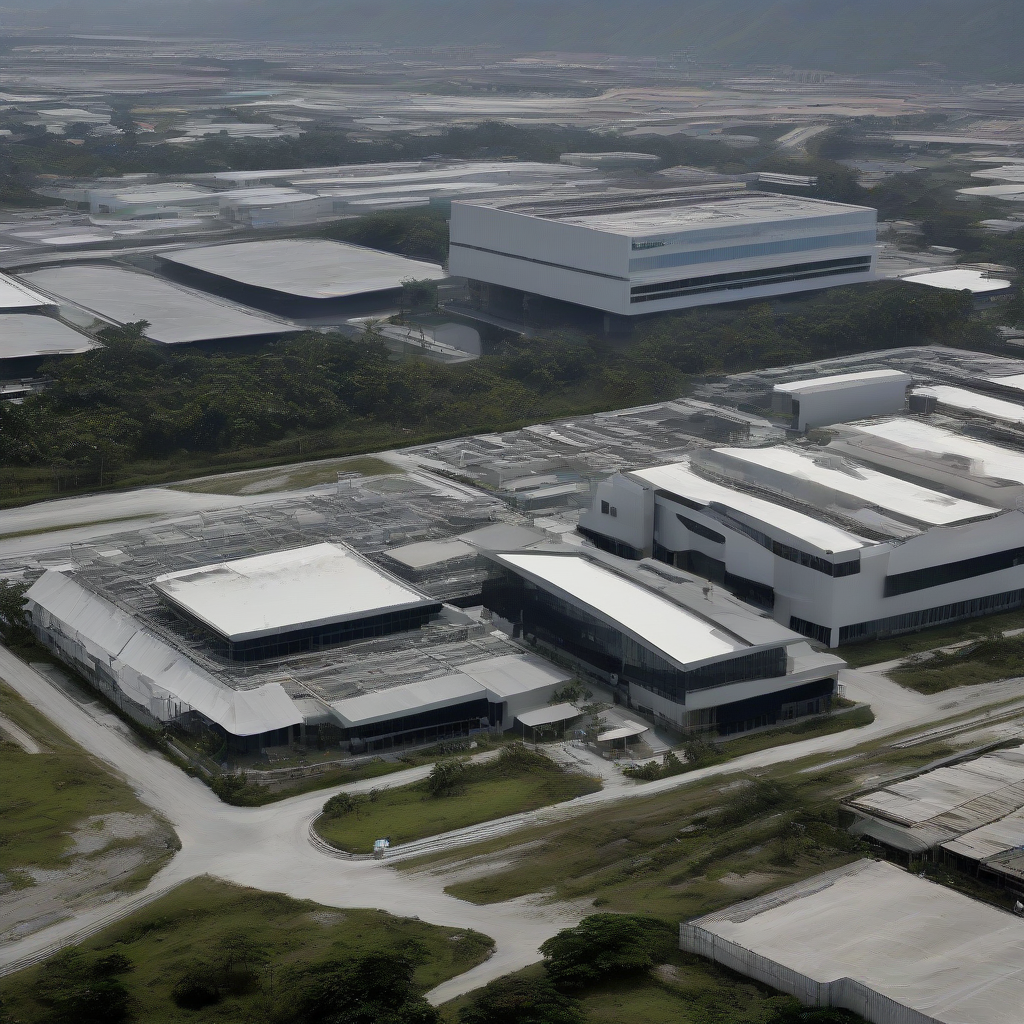
The Philippines is rapidly positioning itself as a focal point for the emerging geologic hydrogen sector. According to OilPrice.com, the Southeast Asian nation contains what are believed to be the world's most extensive natural hydrogen seeps. This geological characteristic suggests that significant volumes of hydrogen may be trapped beneath the surface, presenting a viable target for future extraction efforts.
Geologic Hydrogen Potential
If commercial viability is proven, the Philippines could serve as the inaugural test case for industrial-scale geologic hydrogen production. Unlike manufactured hydrogen, which often requires energy-intensive electrolysis or natural gas reforming, geologic hydrogen is naturally occurring. The presence of large-scale seeps indicates that the country sits atop subsurface reservoirs that could be tapped to supply low-carbon fuel to both domestic and international markets.
Industry Outlook
| Aspect | Status/Potential |
|---|---|
| Resource Scale | Largest known natural hydrogen seeps |
| Development Stage | Pre-commercial exploration |
| Primary Objective | Establishing a commercial extraction model |
Why It Matters
Transitioning to geologic hydrogen would mark a divergence from traditional renewable energy strategies that rely primarily on solar or wind-based electrolysis. By tapping into natural, underground sources, the Philippines could bypass the high operational costs typically associated with green hydrogen production. If successful, this could deflate global hydrogen pricing, challenging the market dominance of conventional liquid natural gas and oil exports. The ability to harness subsurface energy in this manner provides a unique competitive advantage for developing economies seeking to secure domestic energy independence while attracting massive foreign direct investment in decarbonization infrastructure.
Reader Discussion & Insights