LIVE·

Global News & Market Intelligence · Verified Official Dispatches

Editions:
LIVEMARKETS:
S&P 500 5,640.20 (+0.45% )|NASDAQ 17,855.10 (+0.62% )|BRENT CRUDE $82.40 (-0.85% )|BITCOIN $64,250.00 (+1.90% )
Breaking

Plant-Based Muscle Proteins Developed Using Lettuce and Tobacco Crops

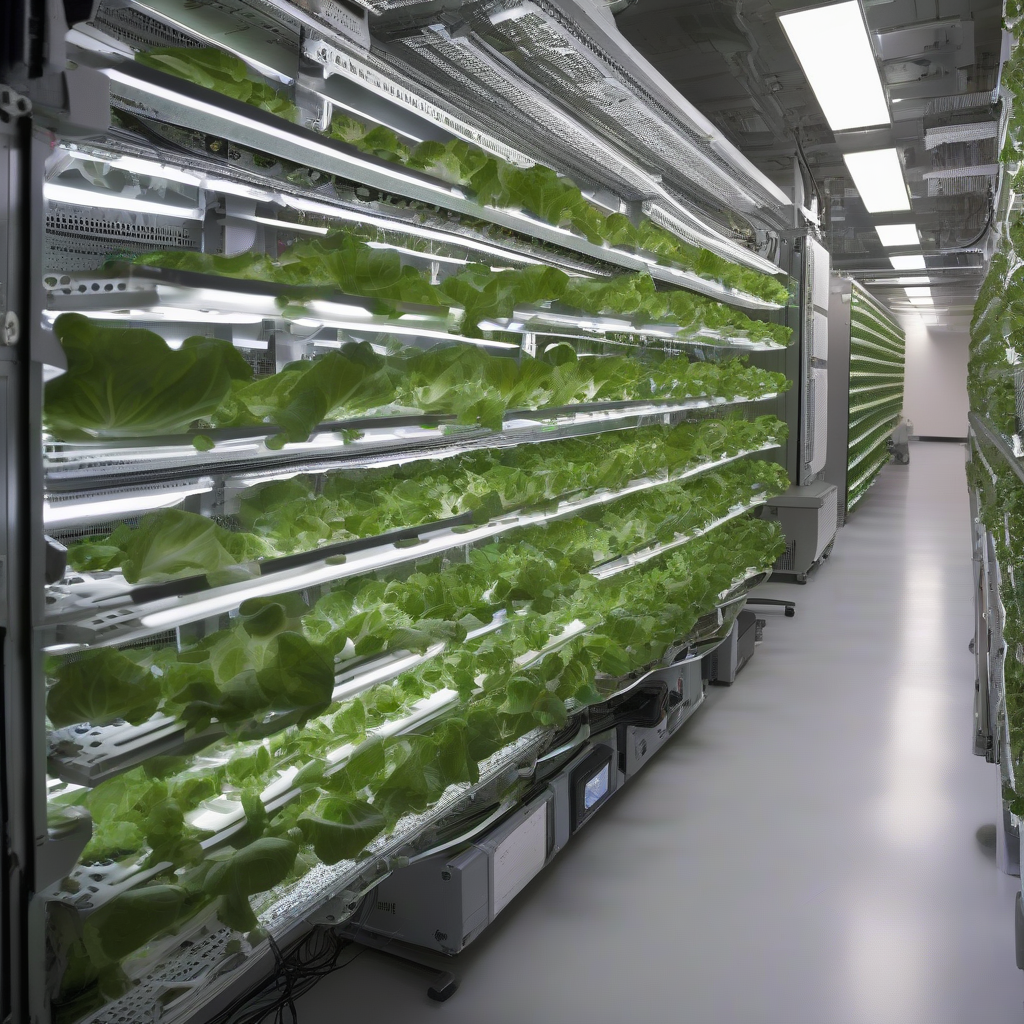
Researchers have successfully engineered lettuce and tobacco plants to produce muscle proteins, offering a new alternative to traditional livestock-based meat production methods.

By Skyline Wire Newsroom · Published Source: Phys.org · Verified Reporting

Key Story Metrics & Context

Industry Sector:Biotechnology, Agriculture, Food Technology
Companies Impacted:Global Holdings
Geographic Scale:Global 🌍
Reporting Status:✓ Multi-Source Verified
Plant-Based Muscle Proteins Developed Using Lettuce and Tobacco Crops

Executive Brief & Verified Analysis

✓ OFFICIAL SOURCES REVIEWED

Executive Summary

Researchers have successfully engineered lettuce and tobacco plants to produce muscle proteins, offering a new alternative to traditional livestock-based meat production methods.

Why This Matters

Key strategic implication: Muscle proteins can now be synthesized within the chloroplasts of tobacco and lettuce plants.

Market Impact

Verified for Global Holdings. Primary market adjustment vector.

Source Verification

Cross-referenced across regulatory dispatches, official press releases, and verified wire filings.

Strategic Implications

  • Muscle proteins can now be synthesized within the chloroplasts of tobacco and lettuce plants.
  • The global meat alternative market currently holds an annual value of €6.7 billion to €8.1 billion.
  • Projections forecast a 10-year annual growth rate for meat alternatives between 8.1% and 12.3%.
  • The process aims to mitigate the environmental impact of livestock farming, including water usage and methane emissions.

A significant breakthrough in biotechnology has enabled the production of muscle proteins within the chloroplasts of lettuce and tobacco plants, according to Phys.org. This development introduces a novel method for generating components typically derived from animal tissue, potentially altering how meat alternatives are manufactured.

Traditional livestock operations remain resource-intensive, requiring extensive land for fodder production and significant freshwater consumption. Furthermore, the industry is a known contributor to global greenhouse gas emissions, specifically methane and nitrous oxide. By utilizing plant chloroplasts as biological factories, researchers aim to bypass animal agriculture entirely while addressing consumer concerns regarding animal welfare.

The current financial environment for meat alternatives highlights a significant market opportunity. According to data, the global sector is valued between €6.7 billion and €8.1 billion annually. Projections indicate consistent growth, with an expected annual increase ranging from 8.1% to 12.3% over the next ten years.

Market MetricValue Range
Current Global Market Size€6.7B - €8.1B
Projected Annual Growth Rate8.1% - 12.3%
Forecast Horizon10 Years

Why It Matters

The integration of protein synthesis into crops like tobacco—a plant often repurposed for industrial biomass—suggests a shift toward specialized molecular farming. Unlike fermentation-based lab meat, which requires high-cost bioreactors, plant-based protein production leverages existing agricultural infrastructure. If scalable, this could reduce the overhead costs associated with the meat-alternative supply chain, potentially making plant-based protein more price-competitive with conventional animal meat. This move signals a broader transition toward bio-manufacturing where the biological plant cell replaces the industrial laboratory vat as the primary site of production for high-value food ingredients.

Expected Next Steps

  • 1Scaling laboratory protein yields to meet commercial manufacturing requirements.
  • 2Conducting safety and nutritional equivalence testing for plant-derived muscle proteins.
  • 3Evaluating regulatory approval processes for novel plant-based protein food sources.

Frequently Asked Questions

Researchers are utilizing the chloroplasts of lettuce and tobacco plants to grow muscle proteins.

The market is currently valued between €6.7 billion and €8.1 billion per year.

The market is projected to grow by 8.1% to 12.3% annually over the next decade.

Source Transparency & Verified Dispatches

✓ Verified Primary Data
Phys.org💼 Corporate Dispatch
Source ↗

Reader Discussion & Insights

Leave a Comment

Loading discussion thread...

Get Breaking Global Intel in Your Inbox

Subscribe to the Skyline Wire AI Daily Briefing. Direct insights across Aviation, Tech, EVs, and Markets.

Original announcement link: Phys.org

biotechnologymeat-alternativesmolecular-farmingprotein-synthesisagriculture
muscle protein productionplant-based meat technologybiotechnology meat alternativeschloroplast protein synthesisglobal meat alternative marketmolecular farming advancements