
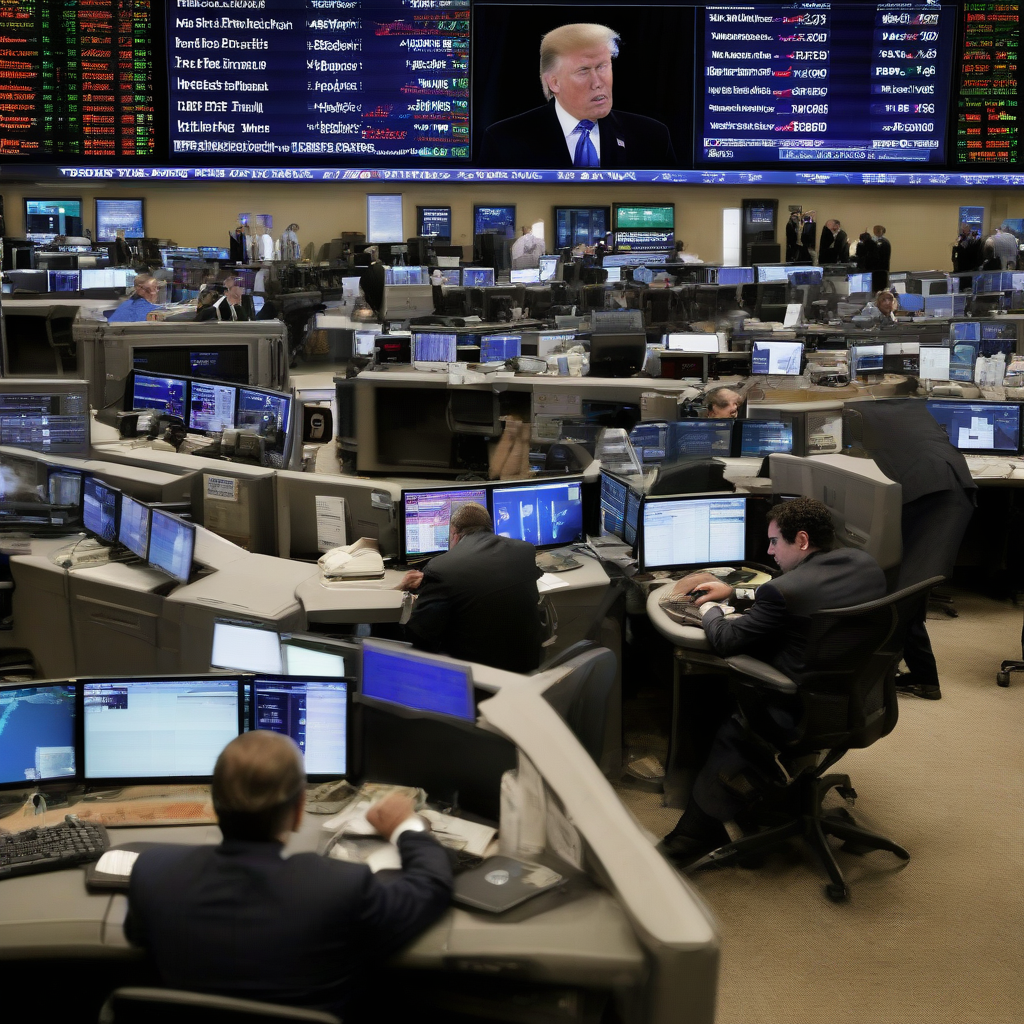
President Donald Trump currently encounters a restricted set of strategic pathways to conclude the ongoing tensions with the Islamic Republic of Iran, a conflict he initially projected would reach a rapid resolution through Tehran's total submission. According to Financial Times, the administration's stated objective of a swift end to hostilities remains unrealized, placing the executive branch in a position where it must balance the pressure of potential escalation against the feasibility of a diplomatic deal conducted on Iranian terms.
Strategic Position Overview
The current administration is managing a reality that diverges significantly from initial expectations of a rapid surrender. The complexities of regional instability require a pivot from original projections, leaving the White House caught between two undesirable outcomes: long-term military entanglement or a negotiated settlement that may be perceived as yielding to Iranian prerequisites.
| Strategic Factor | Status/Projection |
|---|---|
| Original Conflict Expectation | Swift Conclusion |
| Reality of Current Engagement | Prolonged Tensions |
| Negotiated Deal Parameters | Tehran’s Terms |
Why It Matters
The uncertainty surrounding U.S.-Iran relations exerts immediate pressure on global equity and commodity markets. Investors view geopolitical friction in this region as a direct risk to energy security and supply chain stability. If the administration opts for a diplomatic path that involves sanctions relief or regional concessions, the subsequent market reaction could trigger volatility in crude oil pricing, affecting transportation and manufacturing sectors globally. Conversely, continued escalation forces institutional investors to price in higher geopolitical risk premiums, impacting defensive stock allocations and long-term capital expenditure planning for multi-national corporations.
Reader Discussion & Insights