
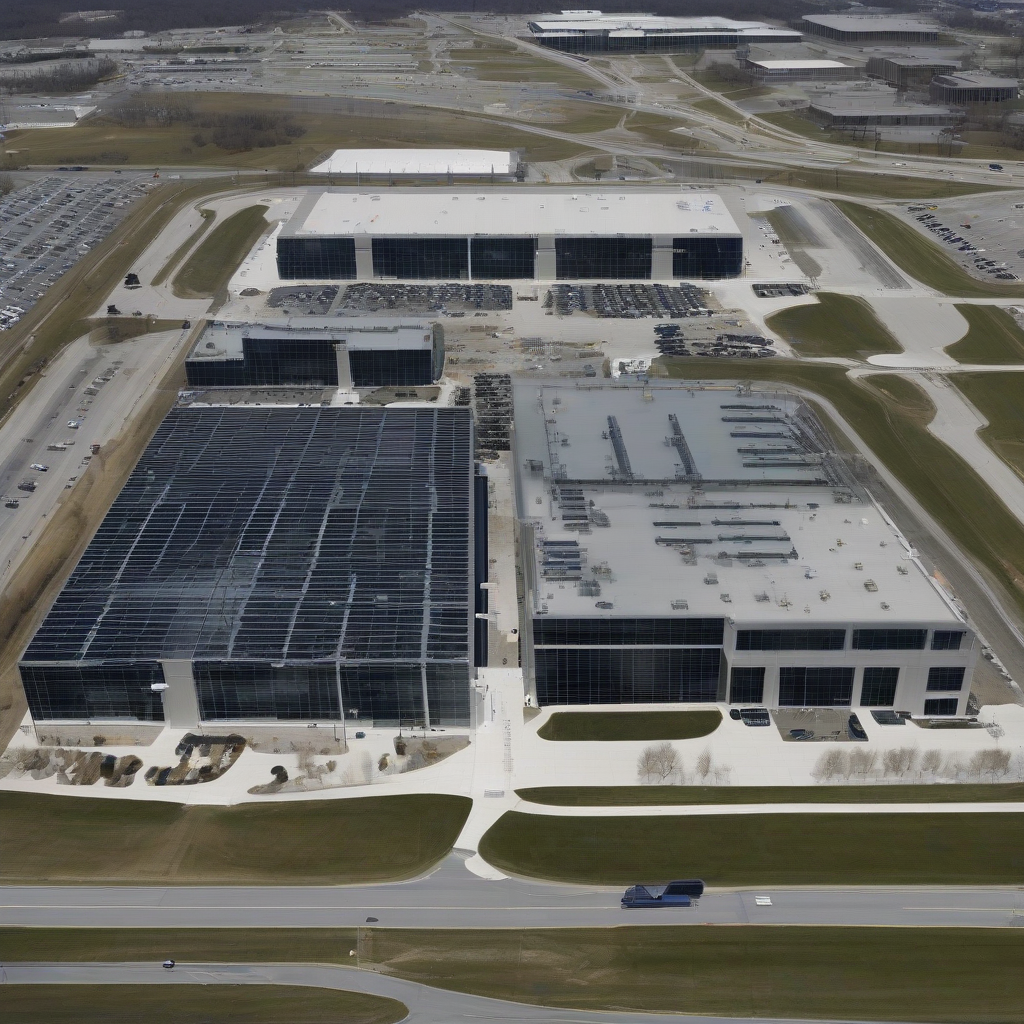

Public Service Enterprise Group (PSEG) is leveraging the PJM Interconnection’s bilateral contracting mechanism to secure supply agreements for data center facilities, according to Utility Dive. The initiative reflects a broader effort by the utility to align its generation assets with the surging power requirements of the digital infrastructure sector.
During recent discussions regarding market strategy, PSEG CEO Ralph LaRossa noted that the company is "encouraged" by potential shifts in the utility business model currently under consideration in New Jersey. This sentiment suggests that the provider is looking for regulatory frameworks that accommodate long-term contracting and infrastructure investment certainty.
Operational Data and Strategic Focus
While the company has not finalized specific volumes for these deals, the pursuit is tied to the evolving demand profiles managed by PJM, the regional transmission organization overseeing wholesale electricity. The focus remains on utilizing bilateral contracts to provide reliable, high-capacity energy solutions for data-intensive projects.
| Strategic Focus Area | Primary Mechanism |
|---|---|
| Data Center Supply | PJM Bilateral Contracting |
| Business Model Evolution | New Jersey Regulatory Review |
| Executive Outlook | Bullish on Model Changes |
Why It Matters
The pivot toward bilateral contracting for data centers signifies a departure from traditional, standardized capacity market auctions. For utilities like PSEG, this move allows for direct negotiation of terms and pricing with large-scale technology clients, reducing the volatility often associated with open market bidding. This trend highlights a critical shift in power distribution: data center operators are increasingly seeking "behind-the-meter" or dedicated supply arrangements to guarantee 24/7 uptime. By pursuing these agreements, utilities are effectively becoming primary infrastructure partners for tech giants, rather than mere retail electricity distributors. This alignment is necessary to mitigate the grid stress caused by high-density computing needs.
Reader Discussion & Insights