
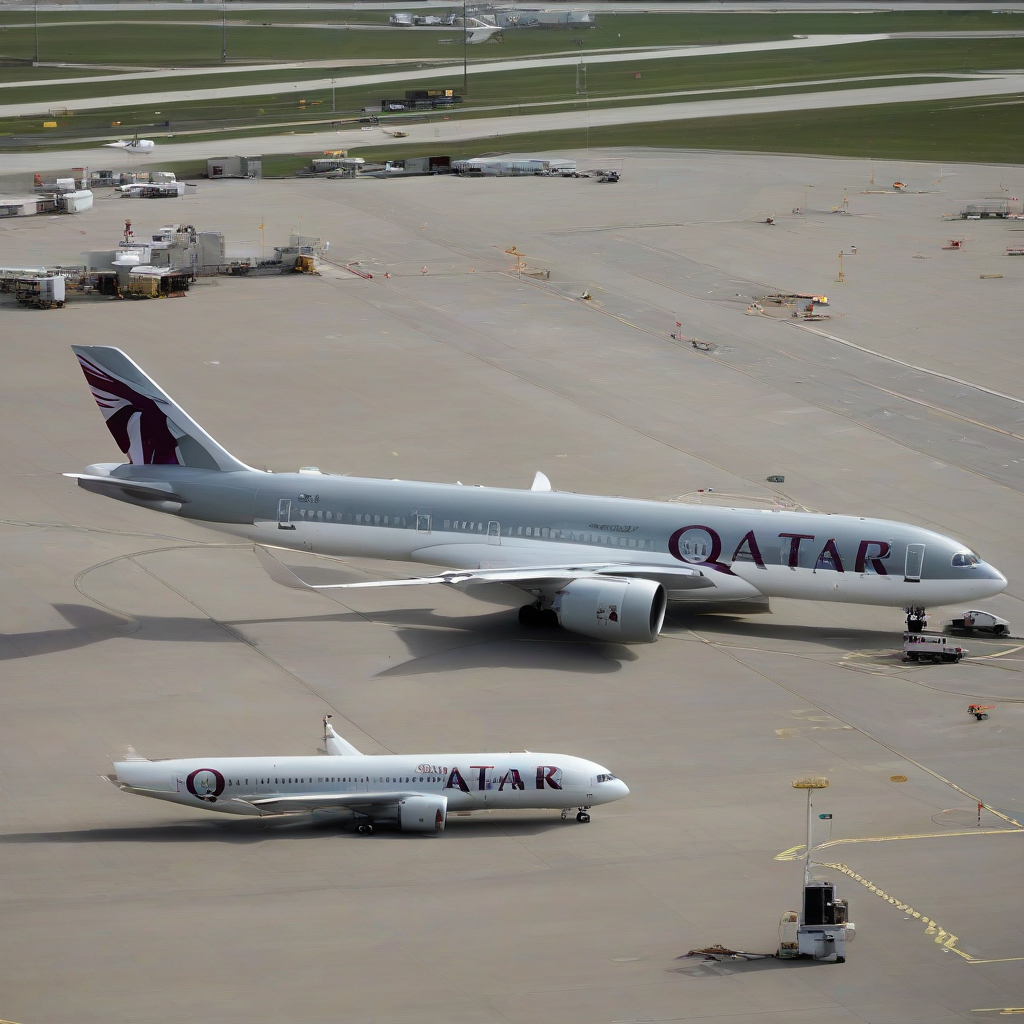

Qatar Airways has officially restored its daily non-stop flight service between Hamad International Airport (DOH) and Philadelphia International Airport (PHL), according to Aviation Source News. The resumed service commenced on 1 August 2026, marking a significant expansion for the carrier as Philadelphia becomes its 14th destination in the North American market.
The route is currently operated using the Airbus A350-900 aircraft, which offers passengers both economy seating and the Qsuite business class product. The airline has also integrated Starlink Wi-Fi technology on the aircraft, providing in-flight connectivity speeds reaching up to 500 Mbps. Passengers flying this route retain access to the carrier's broader global network, which encompasses over 160 destinations, and can utilize oneworld partner American Airlines for domestic connectivity within the United States.
Flight Schedule
| Flight Number | Route | Departure | Arrival | Frequency |
|---|---|---|---|---|
| QR727 | DOH - PHL | 07:30 | 14:30 | Daily |
| QR728 | PHL - DOH | 21:30 | 17:00 (Next Day) | Daily |
Historical Context
Qatar Airways initially launched service to Philadelphia in 2014, maintaining the route for nearly a decade before exiting in late 2023. During the subsequent period, American Airlines assumed operations for the route, though the service was eventually discontinued by the partner airline in 2026. The return of Qatar Airways is viewed as a vital restoration of air links to the region. Regional officials previously estimated that the route generated approximately $208 million in annual economic impact, supporting tourism, business, and medical travel sectors.
Why It Matters
The restoration of this route signals a shift in transatlantic network strategy, as carriers increasingly prioritize high-yield, long-haul point-to-point connections over reliance on domestic feeder hubs alone. By reclaiming the Philadelphia market, Qatar Airways bypasses the fragility of partner-dependent scheduling, securing a direct foothold in the Mid-Atlantic US region. This development suggests a broader industry trend where flag carriers are moving to aggressively recapture key international gateways vacated during the post-2020 market rationalization, effectively deepening their competitive moat against localized US carriers that have struggled with aircraft availability and staffing shortages.
Reader Discussion & Insights