
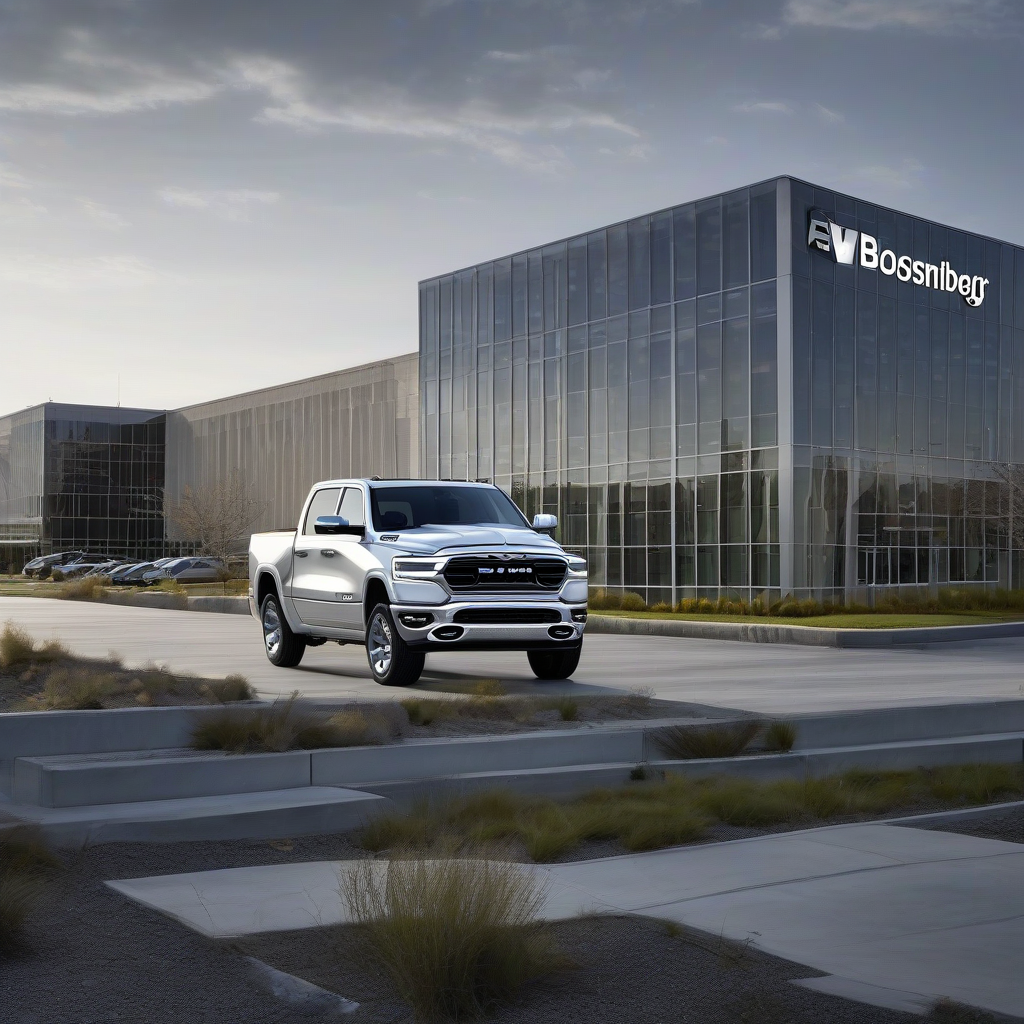
Stellantis-owned Ram is moving to simplify its powertrain lineup for the 2027 model year, opting to phase out both its hybrid V-8 engine configurations and automatic stop-start systems in the 1500 half-ton truck series, according to Car and Driver. This transition marks a departure from previous fuel-saving implementations as the manufacturer recalibrates its internal combustion offerings.
While the V-8 hybrid setups are slated for discontinuation, the manufacturer intends to maintain certain hybrid options within the 1500 model range. The removal of the stop-start technology, a feature commonly utilized to improve fuel economy during idle periods at traffic signals or congestion, signals a change in the brand's approach to meeting regulatory efficiency mandates.
Powertrain Changes Overview
| Feature | 2027 Status |
|---|---|
| Hybrid V-8 Engine | Phased Out |
| Automatic Stop-Start | Removed |
| Hybrid Availability | Select Options Retained |
These modifications align with broader automotive trends where manufacturers are re-evaluating the complexity of their light-duty truck powertrains. The decision to cut stop-start functionality may address consumer feedback regarding the mechanical operation of these systems, though it presents a challenge for overall fleet emissions compliance as outlined by the Environmental Protection Agency (EPA) and the National Highway Traffic Safety Administration (NHTSA).
Why It Matters
The removal of stop-start systems in high-volume pickups suggests a prioritize-and-pivot strategy regarding consumer sentiment versus regulatory pressure. By stripping out these complex idle-stop mechanisms, Ram is likely attempting to reduce vehicle cost and mechanical failure points. However, this strategy places higher pressure on the remaining internal combustion engines to meet corporate average fuel economy (CAFE) standards without the assistance of hybrid optimization. The automotive sector is currently facing a bottleneck where traditional efficiency gains are becoming harder to achieve without significant electrification, creating a rift between legacy truck engineering and modern environmental expectations.
Reader Discussion & Insights