
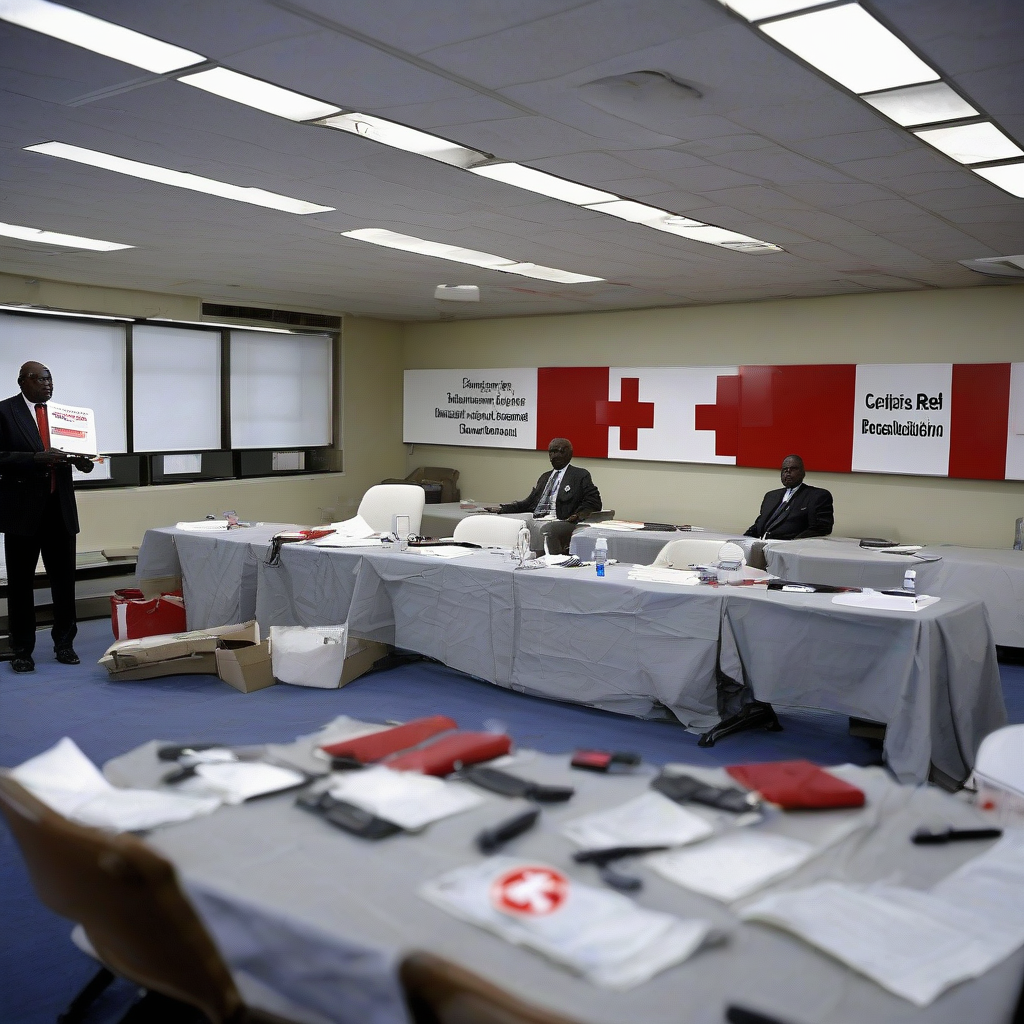
On August 4, 2026, the International Committee of the Red Cross issued an urgent appeal for expanded global assistance as the humanitarian emergency in Sudan continues to worsen. According to Al Jazeera, the humanitarian organization cautioned that declining financial and logistical backing from international donors is actively jeopardizing ongoing programs designed to help local populations recover and reconstruct their lives.
The humanitarian situation in Sudan remains highly critical, with millions of displaced individuals requiring immediate assistance. Aid agencies face severe constraints due to funding shortfalls, directly affecting the distribution of essential supplies, medical care, and clean water. The European Commission, through its Civil Protection and Humanitarian Aid Operations (ECHO), has closely monitored these developments, identifying significant gaps in the global response.
The table below outlines the core strategic priorities identified by international humanitarian frameworks, including the European Commission, for addressing the crisis:
| Priority Area | Target Objectives | Primary Challenges |
|---|---|---|
| Emergency Food Security | Nutritional support for displaced populations | Blocked supply routes, soaring local inflation |
| Healthcare Infrastructure | Medical supplies, clinic rehabilitation, disease prevention | Direct damage to facilities, lack of electricity |
| Water & Sanitation (WASH) | Provision of clean drinking water, hygiene kit distribution | Fuel shortages for pumps, contaminated water sources |
| Community Reconstruction | Micro-grants, agricultural inputs, basic housing repair | Dwindling international donor allocations |
While the European Commission has historically allocated significant emergency funding to East Africa, the current rate of international contributions is failing to match the growing scale of the displacement. Red Cross representatives emphasize that without immediate intervention and sustained financial commitments, the structural collapse of basic services will accelerate.
The scale of the crisis requires synchronized efforts between non-governmental organizations, state actors, and multilateral institutions. The Red Cross and allied humanitarian networks continue to advocate for secure access corridors to deliver aid to hard-to-reach administrative regions.
Why It Matters
The funding shortfall in Sudan represents a systemic challenge for international diplomacy and regional security. For the European Union, an unresolved humanitarian crisis of this magnitude increases long-term migration pressures and destabilizes neighboring African nations. From an economic perspective, the disruption of local trade networks and agricultural production in Sudan threatens wider regional commerce. By failing to plug the funding gaps highlighted by the Red Cross, international donors risk allowing a localized conflict to spiral into a broader regional emergency that will require far more expensive intervention strategies in the future.
Reader Discussion & Insights