
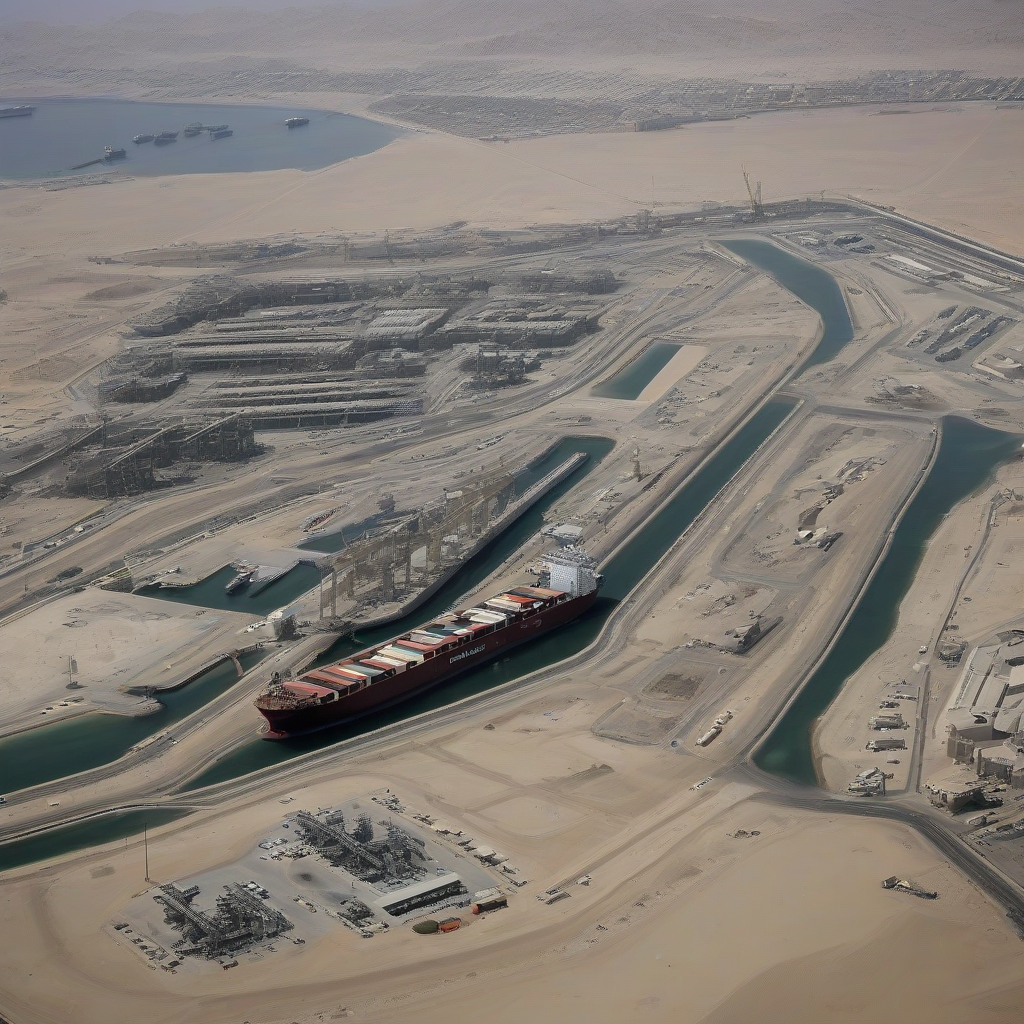

Maritime transit activity through critical Middle Eastern chokepoints plummeted on Wednesday, according to OilPrice.com, as regional security concerns intensified following claims of a missile strike against a Saudi-operated oil tanker in the Red Sea.
Ship-tracking data reviewed by Reuters indicates a significant reduction in vessel movement at two primary strategic junctions. At the Strait of Hormuz, transit volume fell to just 2 vessels on Wednesday, a marked decline from the 8 vessels recorded on Tuesday. Similarly, the Bab el-Mandeb Strait—which serves as the vital maritime gateway connecting the Red Sea to the Arabian Sea—reported minimal activity, with only a single Bahamas-flagged dry bulk carrier completing a transit on the same day.
These disruptions arrive amidst ongoing geopolitical volatility and reports of potential negotiations between Iran and Oman regarding the management of the Strait of Hormuz. International maritime authorities and security analysts continue to monitor the region for further signs of instability that could threaten global energy supply chains.
Maritime Transit Statistics
| Location | Tuesday Transits | Wednesday Transits |
|---|---|---|
| Strait of Hormuz | 8 | 2 |
| Bab el-Mandeb | Data not provided | 1 |
Why It Matters
The abrupt decline in transit numbers highlights the extreme sensitivity of global energy markets to regional maritime security. Because a substantial percentage of the world’s daily oil production moves through these specific chokepoints, any sustained blockage or threat of attack forces maritime insurers to hike premiums or suspend coverage for vessels. This risk-averse behavior can trigger immediate, localized supply shocks, driving up global crude futures as traders account for potential delivery delays or the need for more expensive, longer shipping routes around the Cape of Good Hope.
Reader Discussion & Insights