
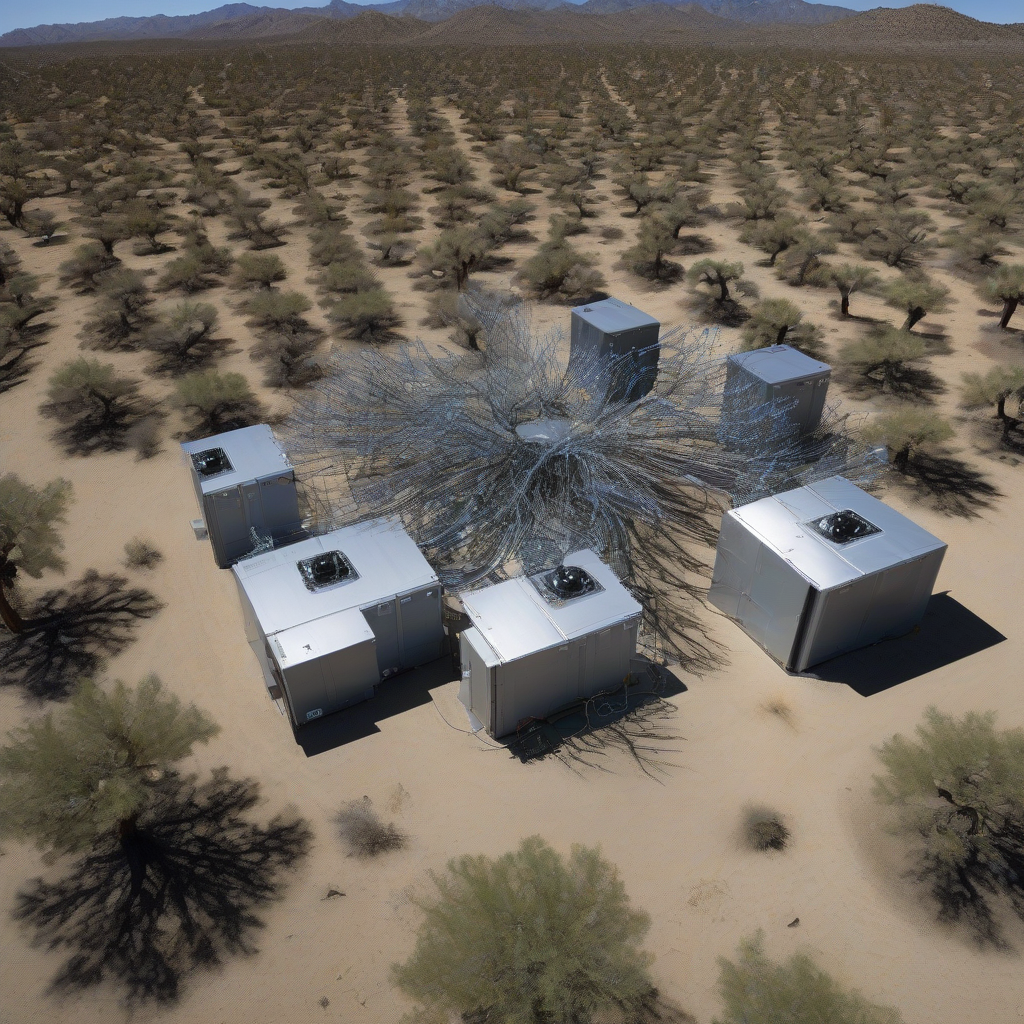

Researchers are turning to advanced digital solutions to assist in the conservation of Joshua trees following significant wildfire damage within the Mojave National Preserve in Southern California, according to Phys.org. Postdoctoral scholars Maya Zomer and Lucia Layritz have focused their efforts on analyzing burned regions of the preserve, noting that the environmental impact has left the area appearing desolate.
The project utilizes data-driven digital modeling to track the recovery and survival patterns of these iconic flora. By applying computational techniques, the team aims to identify patterns that contribute to tree resilience under extreme heat and fire conditions. This research is essential for developing predictive models that can guide land management agencies in prioritizing restoration zones.
Data Observations
| Observation Subject | Researcher Focus | Primary Objective |
|---|---|---|
| Mojave National Preserve | Post-fire site assessment | Survival mapping |
| Joshua Tree Populations | Digital tool application | Habitat restoration |
Why It Matters
Integrating artificial intelligence into ecological conservation represents a technical shift in how natural resources are managed during climate-related crises. By moving beyond traditional observation to predictive digital analysis, land managers can optimize the deployment of limited conservation funding. This approach allows for automated identification of vulnerable populations, potentially preventing the loss of keystone species in arid environments. Scaling this technology could influence how environmental agencies globally allocate resources for biodiversity protection, moving toward a data-centric model for forest and vegetation maintenance.
Reader Discussion & Insights