
LIVEยท

Global News & Market Intelligence ยท Verified Official Dispatches

Editions:
LIVEMARKETS:
S&P 500 5,640.20 (+0.45% โ–ฒ)|NASDAQ 17,855.10 (+0.62% โ–ฒ)|BRENT CRUDE $82.40 (-0.85% โ–ผ)|BITCOIN $64,250.00 (+1.90% โ–ฒ)
Breaking
Amazon Logisticsยท ๐Ÿ‡บ๐Ÿ‡ธ United States

Retailers Monetize Pending Tariff Refunds to Improve Liquidity

Retailers are utilizing secondary markets to exchange potential tariff refunds for immediate capital, according to Supply Chain Dive.

By Global Markets & Intelligence DeskยทPublished ยทโฑ๏ธ 1 min read (323 words)
โšก AI-Synthesized Briefing ยท Verified Editorial

Key Story Metrics & Context

Industry Sector:Logistics, Retail
Companies Impacted:American Eagle Outfitters, The Children's Place
Geographic Scale:USA ๐Ÿ‡บ๐Ÿ‡ธ
Reporting Status:โœ“ Multi-Source Verified
Retailers Monetize Pending Tariff Refunds to Improve Liquidity

Executive Brief & Verified Analysis

โœ“ OFFICIAL SOURCES REVIEWED

Executive Summary

Retailers are utilizing secondary markets to exchange potential tariff refunds for immediate capital, according to Supply Chain Dive.

Why This Matters

Key strategic implication: Retailers are monetizing rights to future tariff refunds to improve cash flow.

Market Impact

Verified for American Eagle Outfitters, The Children's Place. Primary market adjustment vector.

Source Verification

Cross-referenced across regulatory dispatches, official press releases, and verified wire filings.

Operational context for Retailers Monetize Pending Tariff Refunds to Improve Liquidity
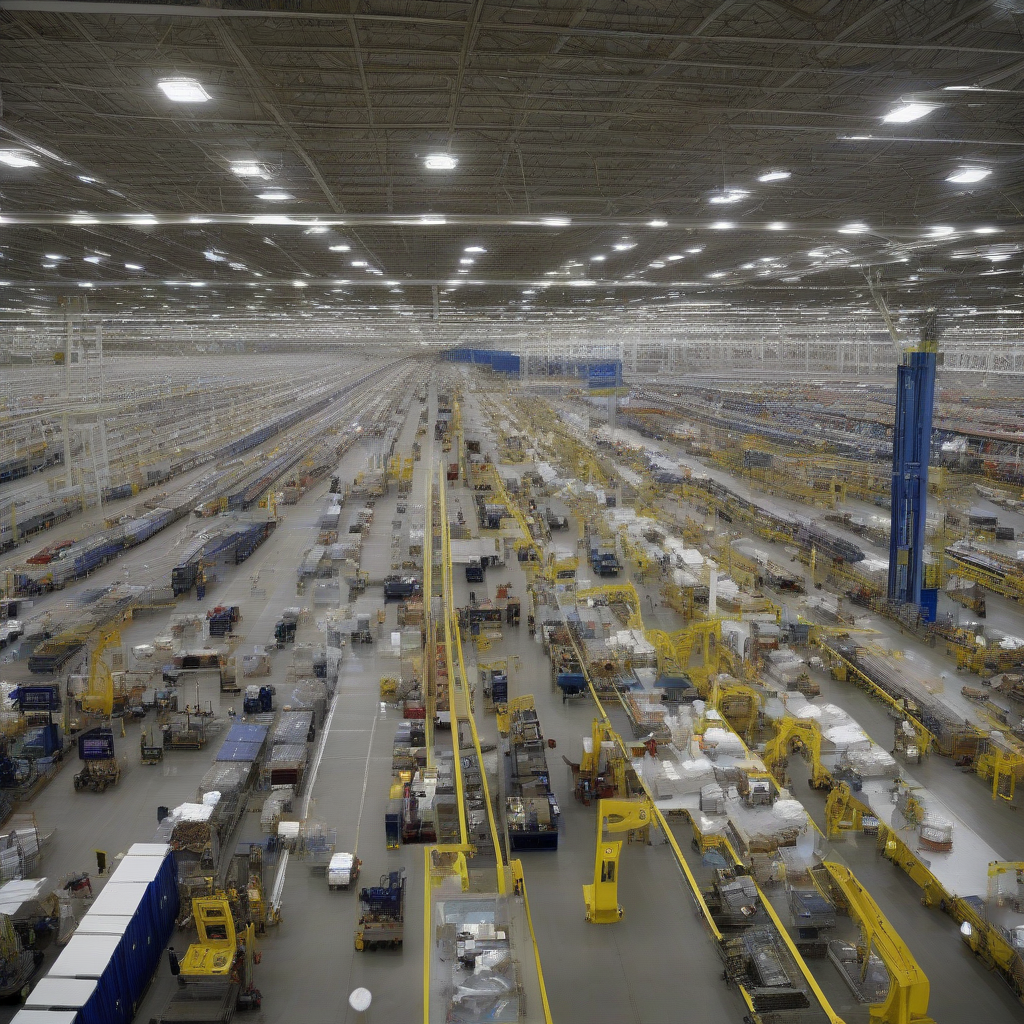
๐Ÿ“ธ Figure 1.2 ยท Operational Context
Figure 1.2: Secondary sector visual for Amazon Logistics briefing on Retailers Monetize Pending Tariff Refunds to Improve Liquidity.Skyline Intelligence

Strategic Implications

  • โœ“Retailers are monetizing rights to future tariff refunds to improve cash flow.
  • โœ“American Eagle Outfitters and The Children's Place are among the retailers utilizing these secondary markets.
  • โœ“This practice allows firms to bypass long government waiting periods for duty-related disbursements.

A growing trend among major retail corporations involves the sale of rights to future tariff refunds, providing immediate access to liquidity. According to Supply Chain Dive, firms are increasingly turning to secondary market platforms to monetize these anticipated government disbursements rather than waiting for the standard bureaucratic processing timelines associated with U.S. Customs and Border Protection.

Financial Strategy Overview

Companies such as American Eagle Outfitters and The Children's Place have engaged in these financial maneuvers to bolster their cash positions. By offloading these assets to third-party investors, these retailers effectively trade the full value of a future refund for a discounted, upfront lump sum. This shift highlights a strategic priority on maintaining operational cash flow amidst fluctuating market conditions and inventory costs.

RetailerPrimary ActivityFinancial Objective
American Eagle OutfittersApparel RetailLiquidity Management
The Children's PlaceApparel RetailCash Flow Optimization

Regulatory and Market Context

These transactions often involve complex legal agreements where the retailer assigns its interest in potential duty drawbacks or Section 301 tariff refunds. While companies maintain internal finance teams, the speed offered by specialized secondary markets provides an alternative to traditional commercial lending or revolving credit facilities. Regulatory scrutiny remains focused on the transparency of these asset assignments under standard accounting practices.

Why It Matters

The rise of a secondary market for tariff refunds signals a tightening of traditional credit avenues for retail entities. When major brands resort to selling off government receivables, it indicates that internal cash reserves are under pressure, likely driven by high carrying costs and supply chain volatility. For the broader logistics and retail sector, this trend suggests that capital efficiency is becoming as vital as supply chain efficiency. If this practice expands, it may create a new niche financial asset class, potentially drawing increased oversight from federal regulators monitoring import duty disbursements.

Expected Next Steps

  • 1Monitor for increased regulatory oversight regarding the sale of government receivables.
  • 2Track potential growth in the secondary market for duty-related financial instruments.
  • 3Assess if additional major retailers disclose similar asset monetization strategies in future SEC filings.

Frequently Asked Questions

Retailers are selling these rights to secure immediate cash capital rather than waiting for standard government refund processing times.

According to Supply Chain Dive, companies such as American Eagle Outfitters and The Children's Place have utilized these financial strategies.

The emergence of a secondary market for tariff-related assets is a recent development driven by the retail sector's need for faster access to liquidity.

Source Transparency & Verified Dispatches

โœ“ Verified Primary Data
โœ“
U.S. Customs and Border Protection๐Ÿ’ผ Corporate Dispatch
Source โ†—
โœ“
Supply Chain Dive๐Ÿ’ผ Corporate Dispatch
Source โ†—

Reader Discussion & Insights

Leave a Comment

Loading discussion thread...

Get Breaking Global Intel in Your Inbox

Subscribe to the Skyline Wire AI Daily Briefing. Direct insights across Aviation, Tech, EVs, and Markets.

Original announcement link: Supply Chain Dive

retailtariffsliquiditysupply-chainfinance
tariff refundsretail liquiditysecondary market for tariffsAmerican Eagle OutfittersThe Children's Placesupply chain financeduty drawbacks