
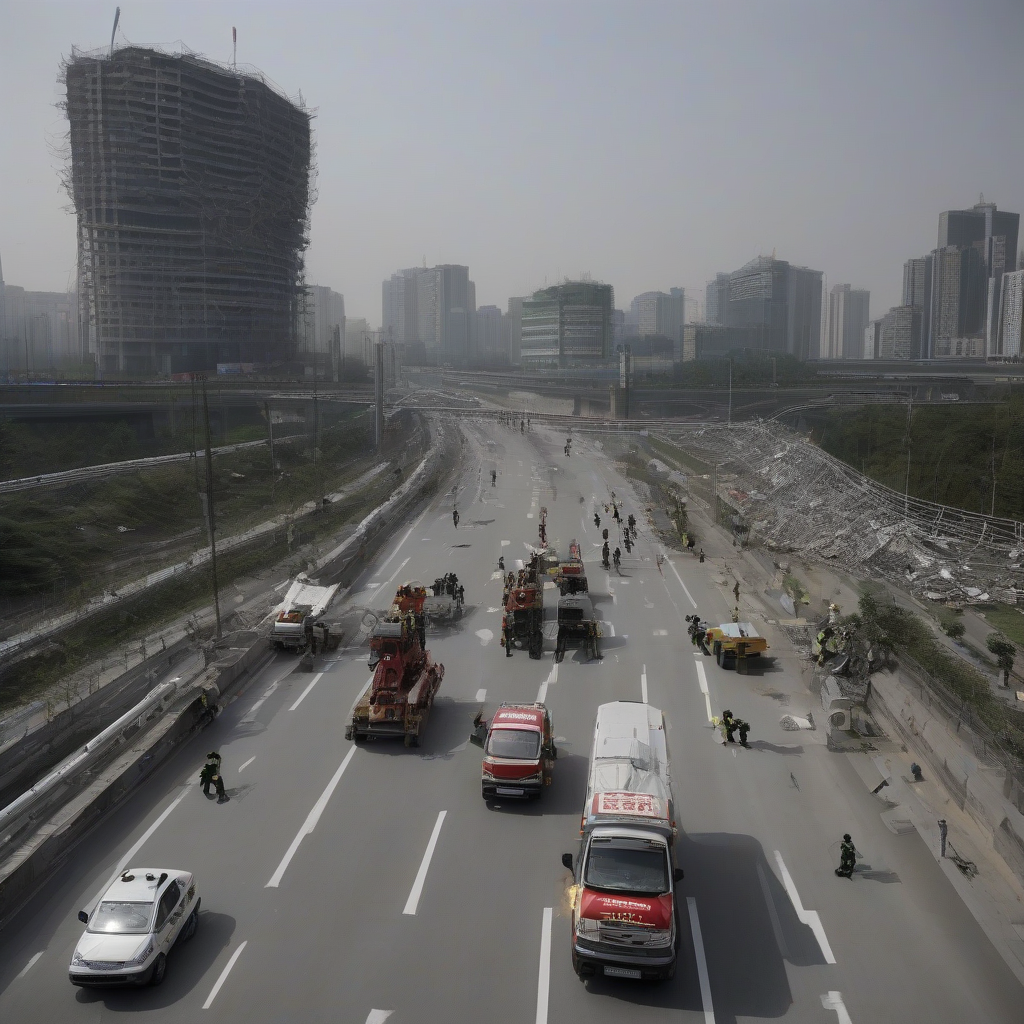
Sophisticated artificial intelligence tools are being employed to generate realistic, yet entirely fabricated, disaster footage across China, according to BBC News — Technology. As extreme weather patterns become more frequent, these digital deceptions are spreading rapidly through online platforms, complicating public perception and disaster response efforts.
Impact of Synthetic Media
The production of these videos relies on advanced generative models capable of mimicking authentic news reports or amateur footage. The primary risk associated with these materials is the rapid dissemination of misinformation during actual environmental crises. When users cannot distinguish between verified footage and AI-rendered simulations, the ability of local authorities to disseminate life-saving information is compromised.
| Feature | Observation |
|---|---|
| Source of Analysis | BBC News — Technology |
| Primary Technology | Generative Artificial Intelligence |
| Primary Geographic Focus | China |
| Core Conflict | Public Safety vs. Synthetic Misinformation |
Why It Matters
The proliferation of synthetic disaster imagery represents a critical challenge for platform integrity and digital literacy. While the technology enables rapid content creation, it creates an "information fog" that can lead to delayed evacuations or the misallocation of emergency resources. For the AI industry, this trend necessitates the implementation of more aggressive content watermarking and provenance standards. Regulatory bodies will likely move toward mandatory labeling requirements to ensure that synthetic media does not undermine trust in legitimate meteorological reporting and crisis management protocols.
Reader Discussion & Insights