
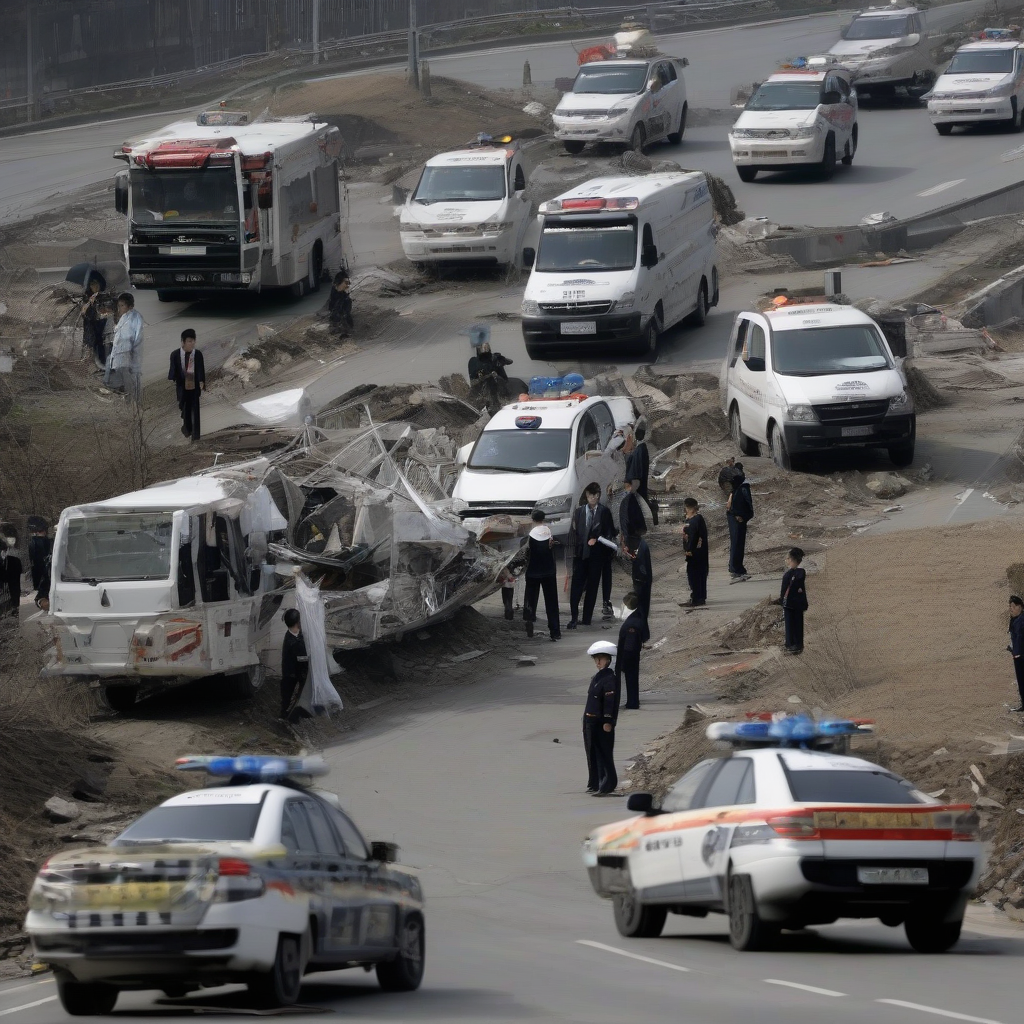
As extreme weather phenomena become more frequent, there is a marked rise in the dissemination of fabricated disaster videos across Chinese digital platforms. According to BBC News — Technology, the widespread sharing of these AI-generated clips is resulting in tangible, real-world consequences for the public and authorities alike.
These videos often depict catastrophic weather scenarios, using advanced generative tools to simulate events that have not actually occurred. The sophistication of these simulations makes it difficult for casual viewers to distinguish between genuine footage captured by citizens and synthetic content created by algorithms. This ambiguity poses risks to public safety, as the spread of misinformation can trigger unnecessary panic or obstruct official emergency communications during genuine weather crises.
| Observation | Impact Factor |
|---|---|
| Content Type | AI-Generated Disaster Simulations |
| Primary Region | China |
| Key Risk | Misinformation during extreme weather |
| Verification Difficulty | High |
Efforts to manage the influx of synthetic content involve both platform-level moderation and increased digital literacy campaigns. While technology firms are deploying detection algorithms, the speed at which these videos are produced and shared frequently outpaces current regulatory and technical safeguards. The situation underscores a vulnerability in digital information streams where high-impact visual media is prioritized by social media algorithms before its authenticity can be verified.
Why It Matters
The surge in synthetic disaster footage represents a systemic challenge to media integrity and emergency response infrastructure. When public trust in visual evidence is eroded, the effectiveness of official government or meteorological warnings decreases significantly. This creates a dangerous feedback loop where legitimate alerts may be dismissed as digital fabrications, or conversely, where panic is weaponized during benign weather events. For industries ranging from logistics to public insurance, the ability to rapidly verify raw data from social feeds is now a requirement to prevent operational disruptions caused by viral, yet false, disaster reporting.
Reader Discussion & Insights