
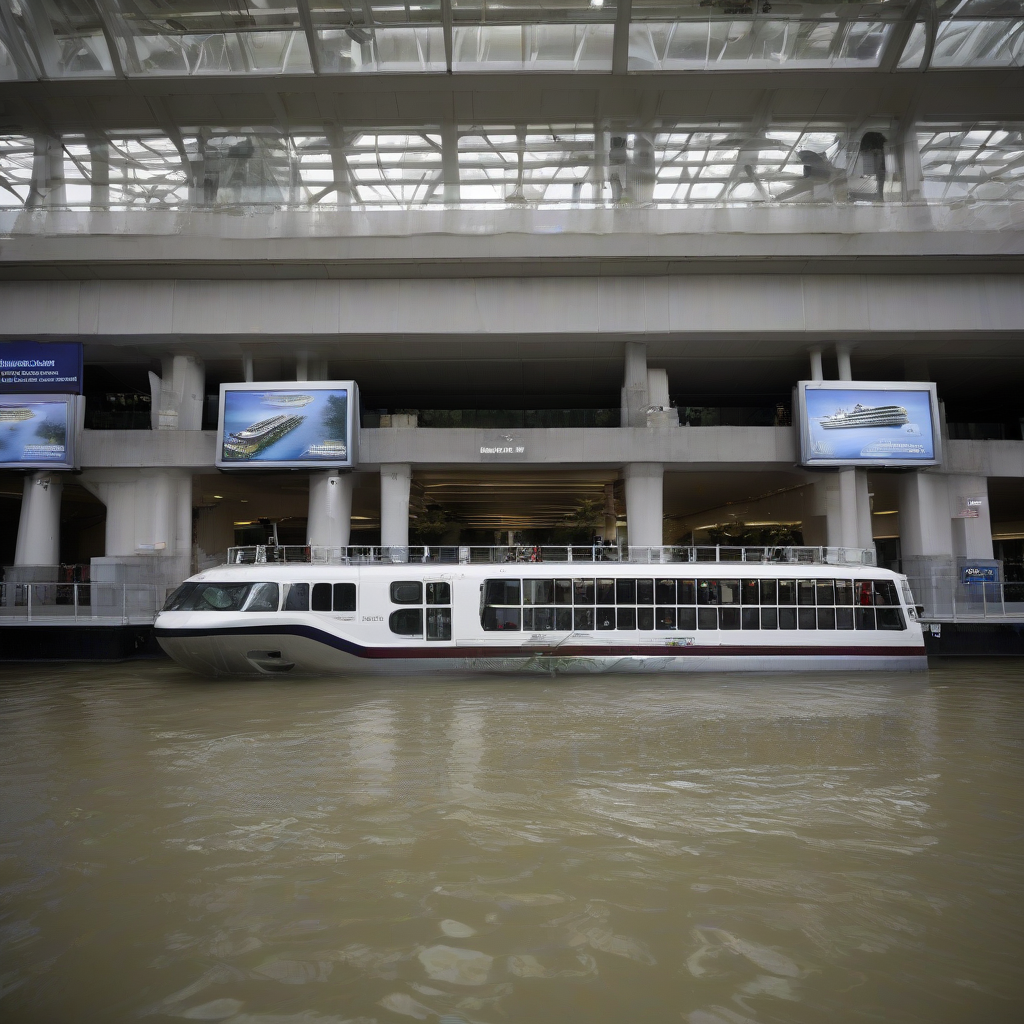
River cruise operators are actively modifying passenger itineraries and vessel deployments to manage the operational difficulties posed by declining water levels, according to Cruise News. As climate-related environmental shifts continue to affect major inland waterways, cruise lines are increasingly relying on ship swaps and the cancellation of specific port calls to maintain service continuity while prioritizing vessel safety.
Operational Adjustments Overview
When water levels fall below threshold depths, the draft requirements for larger river vessels become a challenge. Operators are often required to transfer passengers between ships or utilize motor coaches to bypass impassable river sections. These changes are typically announced in real-time, requiring significant logistics coordination to minimize the impact on guest experience.
| Adjustment Type | Operational Impact | Typical Strategy |
|---|---|---|
| Ship Swaps | High | Transferring passengers to sister ships on unaffected sections |
| Port Omissions | Moderate | Using ground transport to reach originally scheduled sites |
| Itinerary Re-routing | Low | Extending stays in accessible regions |
Industry Response and Infrastructure
Beyond logistical shifts, cruise lines are increasingly factoring hydrological data into their long-term fleet planning. The necessity for lower-draft ships has become a priority for newbuild programs, though retrofitting existing fleets remains financially prohibitive. Passengers are often subject to contract clauses that allow lines to alter published routes without full compensation, citing 'force majeure' conditions linked to river navigability. Regulatory bodies and port authorities continue to monitor water depths, providing periodic alerts that directly dictate daily shipping capacity.
Why It Matters
These persistent navigation disruptions represent a structural challenge to the river cruise business model. As water scarcity becomes more frequent in critical river basins, the reliability of premium river cruising is under pressure. This forces operators into a precarious balance: maintain high ticket prices while offering a service that is increasingly susceptible to climate-driven cancellations. Investors should monitor how these disruptions affect long-term brand loyalty and the potential for rising insurance premiums associated with volatile inland waterway transit.
Reader Discussion & Insights