
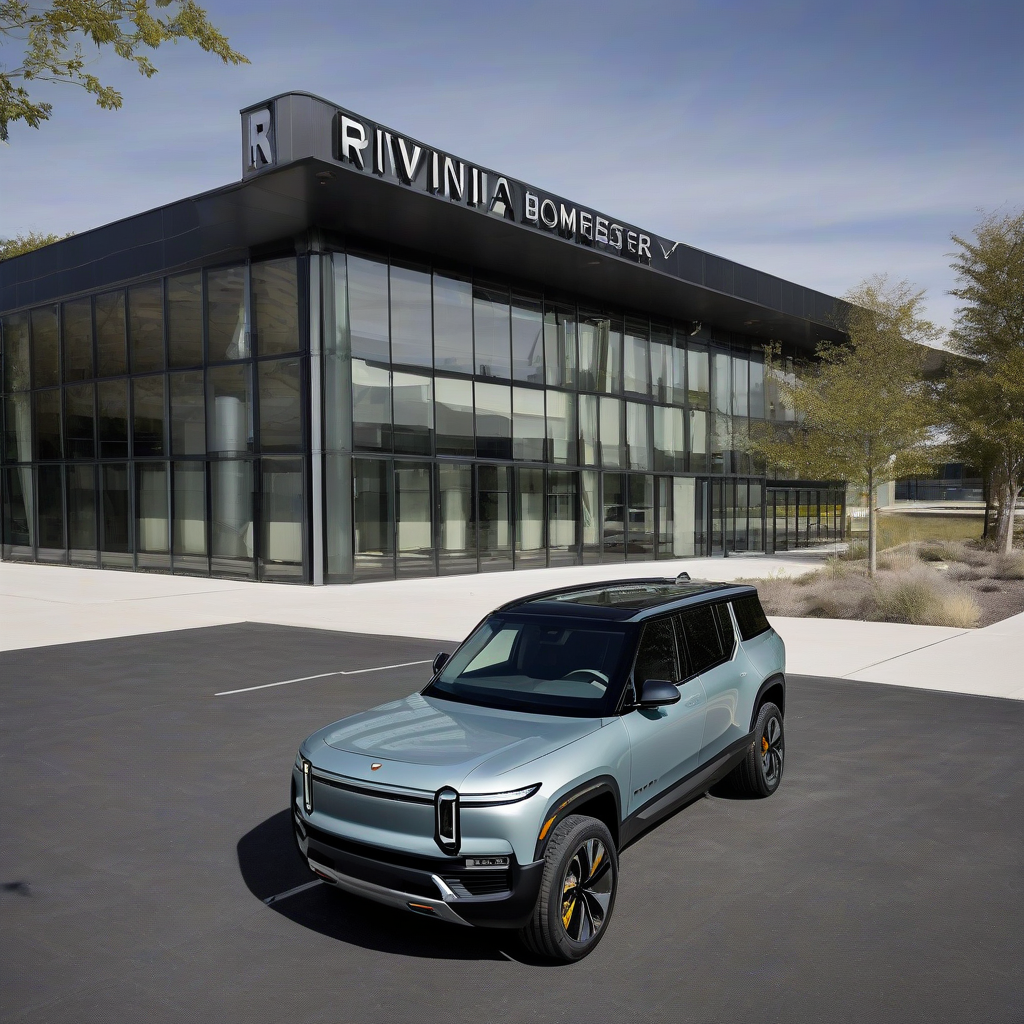
Rivian is banking on its R2 electric vehicle platform to transition from a niche automaker to a volume-driven manufacturer, according to Rivian. The company intends for the R2 to serve as a pivotal entry in its lineup, designed to appeal to a wider demographic than its existing R1T and R1S models by offering a more accessible price point.
Strategic Vehicle Positioning
The R2 is intended to lower the barrier to entry for consumers seeking an electric SUV. While the current Rivian portfolio focuses on premium performance, the R2 development trajectory emphasizes manufacturing efficiency and broader consumer adoption. According to Rivian, the technical specifications and production roadmap for the R2 are centered on optimizing costs without compromising the brand's signature aesthetic or off-road capabilities. This strategy aligns with the firm's broader objective to increase throughput at its manufacturing facilities.
| Feature | Strategic Focus | Expected Impact |
|---|---|---|
| Market Position | Mid-size SUV | Increased volume |
| Target Demographic | Mass-market appeal | Higher adoption |
| Production Goal | Scalability | Revenue growth |
Operational Context
Rivian’s focus on the R2 arrives as the automotive sector contends with shifting consumer preferences regarding range, charging infrastructure, and vehicle size. By prioritizing a smaller, more affordable platform, the company aims to secure a larger share of the electric vehicle market, a strategy that aligns with industry trends observed in filings monitored by the SEC. Analysts note that successful execution of the R2 launch is essential for the company to demonstrate a clear path toward sustained profitability.
Why It Matters
The introduction of the R2 represents a make-or-break moment for Rivian’s long-term viability. By moving into the high-volume mid-size segment, the company is directly competing with established internal combustion and EV incumbents. Unlike its initial high-end offerings, the R2 must prove that the company can master high-volume, low-margin assembly processes. If Rivian can successfully scale production, they move from being a specialized technology brand to a mainstream automotive fixture, effectively testing whether consumer loyalty to the brand is strong enough to survive the transition from premium to mass-market segments.
Reader Discussion & Insights