
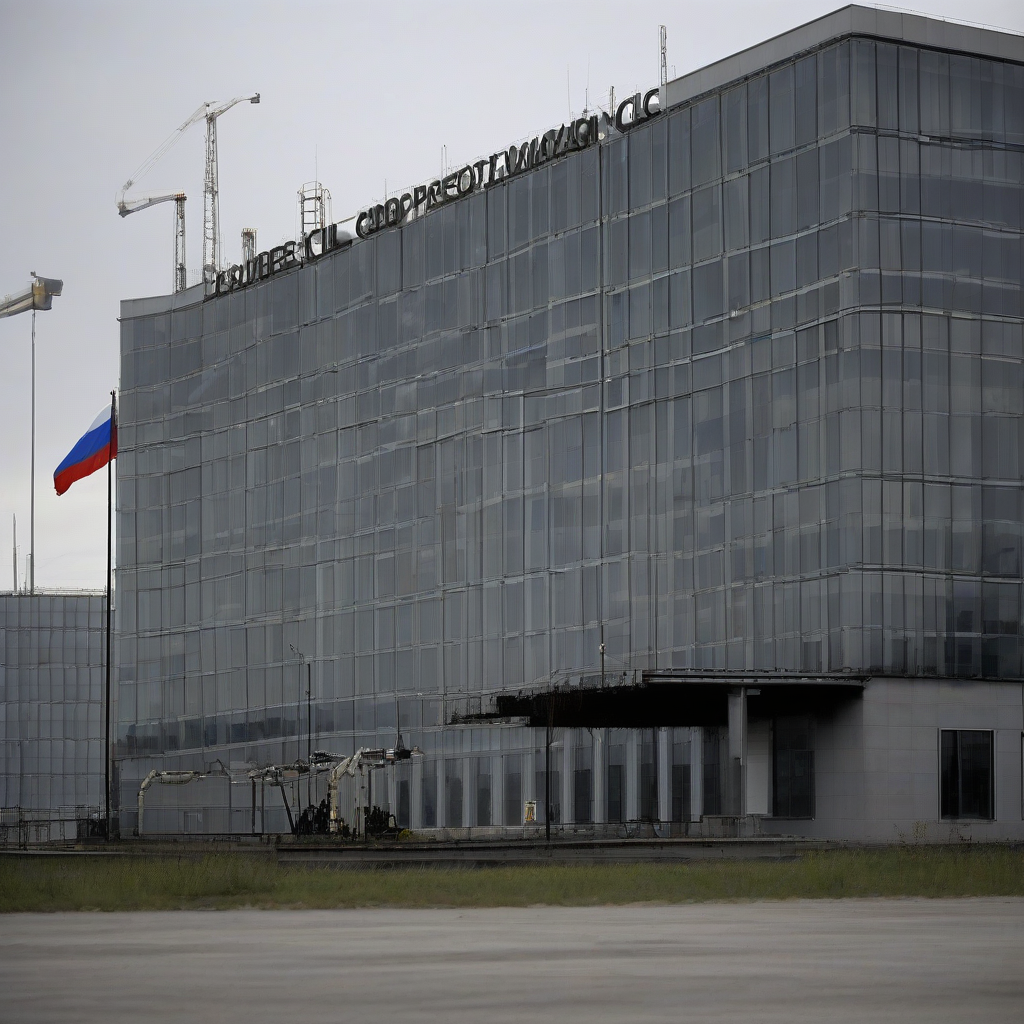

Russian crude oil and condensate production climbed above 9 million barrels per day (bpd) during July, according to OilPrice.com. Citing two industry sources reporting to Reuters, the data indicates that output rose by approximately 100,000 bpd compared to the previous month. This increase follows June production levels which were estimated by OPEC at 8.928 million bpd.
The rise in output is attributed to a combination of more robust export activity and a recovery in domestic refinery runs, which provided producers with greater capacity to process and distribute additional supply. Despite international sanctions and persistent drone-led attacks on critical energy infrastructure, Moscow continues to prioritize the flow of oil and fuel as these sectors remain fundamental to federal budget stability.
Production Data Overview
| Period | Output Volume (bpd) | Notes |
|---|---|---|
| June | 8.928 million | OPEC estimate |
| July | > 9 million | Industry source data |
| Monthly Change | + 100,000 | Estimated increase |
Official records underscore the significance of these exports for the Russian economy. Although the energy sector faces ongoing logistical challenges due to geopolitical restrictions, the ability of state producers to maintain and slightly elevate output suggests a high degree of operational resilience within the Russian energy industry.
Why It Matters
The ability of Russian producers to scale output despite an active conflict and sanctions regimes suggests that the global oil supply remains more elastic than many Western observers predicted. By maintaining production above the 9 million bpd threshold, Moscow exerts a steadying force on global crude pricing, counteracting potential supply shocks. For global commodity markets, this resilience forces a recalibration of risk premiums. Investors should monitor whether these output levels are sustainable or if the current infrastructure capacity acts as a hard ceiling for further growth in the coming quarter.
Reader Discussion & Insights