
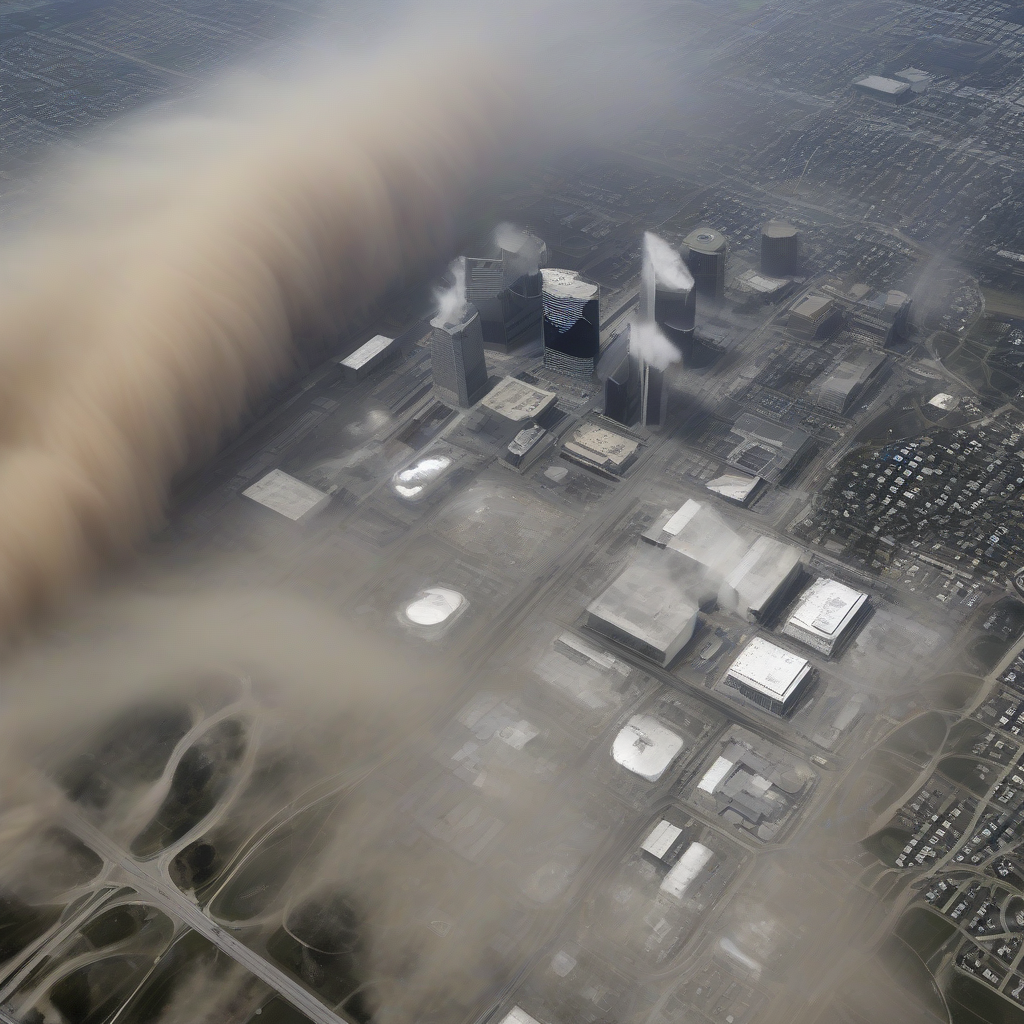
Atmospheric conditions characterized by elevated wind shear and the presence of Saharan dust are actively curbing tropical cyclone formation during the early stages of the 2026 hurricane season, according to Hurricane Tracker. These environmental variables are preventing the organization of systems that might otherwise intensify into tropical depressions or storms across the Atlantic basin.
Meteorological observations indicate that these dry air plumes, which originate over North Africa, effectively starve nascent tropical disturbances of the moisture and stability required for sustained development. Simultaneously, vertical wind shear—a change in wind speed or direction with height—has disrupted the structural integrity of atmospheric waves moving off the African coast, preventing the vertical stacking necessary for cyclonic rotation.
While the 2026 hurricane season remains active in terms of calendar time, the current suppression of tropical activity is consistent with historical patterns observed when Saharan Air Layer (SAL) events are prevalent. These dry, dusty pulses generally reach their peak intensity during the early-to-mid summer months, providing a natural barrier against storm development.
| Meteorological Factor | Observed Impact on Storms |
|---|---|
| Saharan Dust | Increases dry air, prevents convection |
| Vertical Wind Shear | Disrupts storm structure/vertical growth |
| Atmospheric Stability | Inhibits cloud formation |
Why It Matters
The temporary suppression of tropical activity provided by Saharan dust and wind shear represents a critical buffer for global maritime and aviation logistics. By mitigating the risk of early-season hurricanes, these atmospheric conditions reduce the likelihood of significant supply chain disruptions, port closures, and rerouting of commercial air traffic. Understanding these suppression mechanisms allows insurance firms and logistics providers to calibrate their seasonal risk exposure models, potentially stabilizing insurance premiums in coastal regions that are usually vulnerable to early-season tropical threats. This interplay highlights the sensitivity of global transport infrastructure to large-scale climate patterns.
Reader Discussion & Insights