LIVEΒ·
SkylineWire Logo

SkylineWire

Global News & Market Intelligence Β· Verified from Official Dispatches

Editions:
Home
LIVEMARKETS:
S&P 500 5,640.20 (+0.45% β–²)|NASDAQ 17,855.10 (+0.62% β–²)|BRENT CRUDE $82.40 (-0.85% β–Ό)|SAF FUEL $2,140/t (+1.2% β–²)
BreakingDeveloping Storyβœ“ Verified Reporting
Artificial Intelligence· 🌍 Global

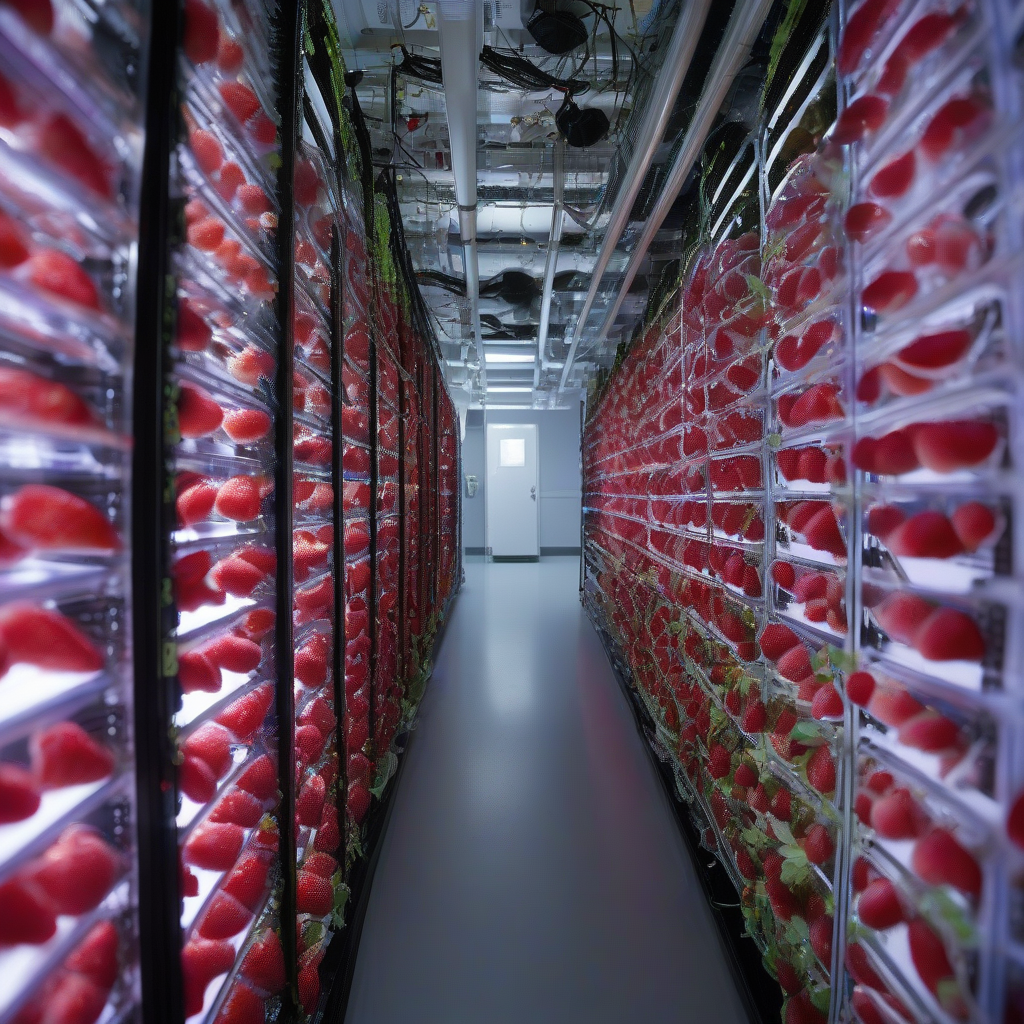
Seaweed-Derived Coating Extends Strawberry Shelf Life at Room Temperature

Researchers at the University of British Columbia have created an edible, seaweed-based coating that preserves strawberries for four days without refrigeration.

By Skyline Wire Newsroom Β· Published Source: Phys.org Β· Verified Reporting

Key Story Metrics & Context

Industry Sector:Agriculture, Food Technology
Companies Impacted:University of British Columbia
Geographic Scale:Canada πŸ‡¨πŸ‡¦
Reporting Status:βœ“ Multi-Source Verified
Seaweed-Derived Coating Extends Strawberry Shelf Life at Room Temperature

Executive Brief & Verified Analysis

βœ“ OFFICIAL SOURCES REVIEWED

Executive Summary

Researchers at the University of British Columbia have created an edible, seaweed-based coating that preserves strawberries for four days without refrigeration.

Why This Matters

Key strategic implication: The new coating keeps strawberries fresh for at least 4 days at room temperature.

Market Impact

Verified for University of British Columbia. Primary market adjustment vector.

Source Verification

Cross-referenced across regulatory dispatches, official press releases, and verified wire filings.

Strategic Implications

  • βœ“The new coating keeps strawberries fresh for at least 4 days at room temperature.
  • βœ“The technology uses seaweed-derived materials to create an edible protective barrier.
  • βœ“Coated fruit demonstrated better preservation than uncoated, refrigerated counterparts.
  • βœ“The research was conducted by the University of British Columbia.

Researchers at the University of British Columbia have successfully engineered an edible, seaweed-derived protective coating capable of extending the shelf life of strawberries for a minimum of four days at room temperature, according to Phys.org. This development represents a shift in agricultural preservation techniques, as the coated fruit outperformed standard, uncoated berries typically reliant on cold-chain storage.

Preservation Performance

The efficacy of this material is measured by its ability to prevent the rapid degradation usually seen in perishable berries stored in non-refrigerated environments. Under normal ambient conditions, untreated strawberries deteriorate quickly due to moisture loss and microbial growth. The new bio-coating acts as a barrier, stabilizing the berry's surface and slowing the biological decay process.

Storage ConditionPreservation DurationOutcome
Room Temp (Uncoated)< 4 DaysRapid decay
Room Temp (Coated)4+ DaysRetained freshness
Refrigerated (Uncoated)Standard cycleBaseline benchmark

Scientific Context and Regulatory Outlook

While the study highlights the successful laboratory application of this seaweed derivative, broad implementation remains subject to food safety standards. Developers typically look to regulatory bodies, such as Health Canada and the U.S. Food and Drug Administration (FDA), to confirm that edible coatings meet safety criteria for human consumption. The research emphasizes that the material is derived from natural marine sources, which may facilitate a more streamlined path toward commercial approval compared to synthetic preservatives.

Why It Matters

The ability to bypass the traditional cold chain for even a few days carries significant implications for the global supply chain. Currently, fresh produce relies heavily on energy-intensive refrigeration from farm to retail. By utilizing plant-based, edible coatings, distributors could potentially reduce operational costs and electricity consumption related to refrigeration. Furthermore, this technology may reduce food waste by extending the window during which produce remains salable, potentially lowering the frequency of discarded inventory in grocery retail environments. Industry stakeholders are now evaluating the scalability of these coatings for broader agricultural commodity application.

Expected Next Steps

  • 1Scale production of the seaweed-derived formula for industrial testing.
  • 2Submit findings for regulatory food safety approval.
  • 3Evaluate the technology for use on other perishable fruit crops.

Frequently Asked Questions

The coating allows strawberries to remain fresh for at least four days when stored at room temperature.

The coating is described as edible, though it is subject to standard regulatory food safety testing for commercial consumption.

The study indicates the coated berries stored at room temperature outperformed uncoated berries that were refrigerated.

Source Transparency & Verified Dispatches

βœ“ Verified Primary Data
βœ“
University of British ColumbiaπŸ’Ό Corporate Dispatch
Source β†—
βœ“
Phys.orgπŸ’Ό Corporate Dispatch
Source β†—

Reader Discussion & Insights

Leave a Comment

Loading discussion thread...

Get Breaking Global Intel in Your Inbox

Subscribe to the Skyline Wire AI Daily Briefing. Direct insights across Aviation, Tech, EVs, and Markets.

Original announcement link: Phys.org

agriculturefood-techbiotechnologysustainabilityseaweed
strawberry shelf lifeseaweed-derived coatingfood preservation technologyUniversity of British Columbia researchsustainable agriculturepost-harvest technologyedible produce coating