
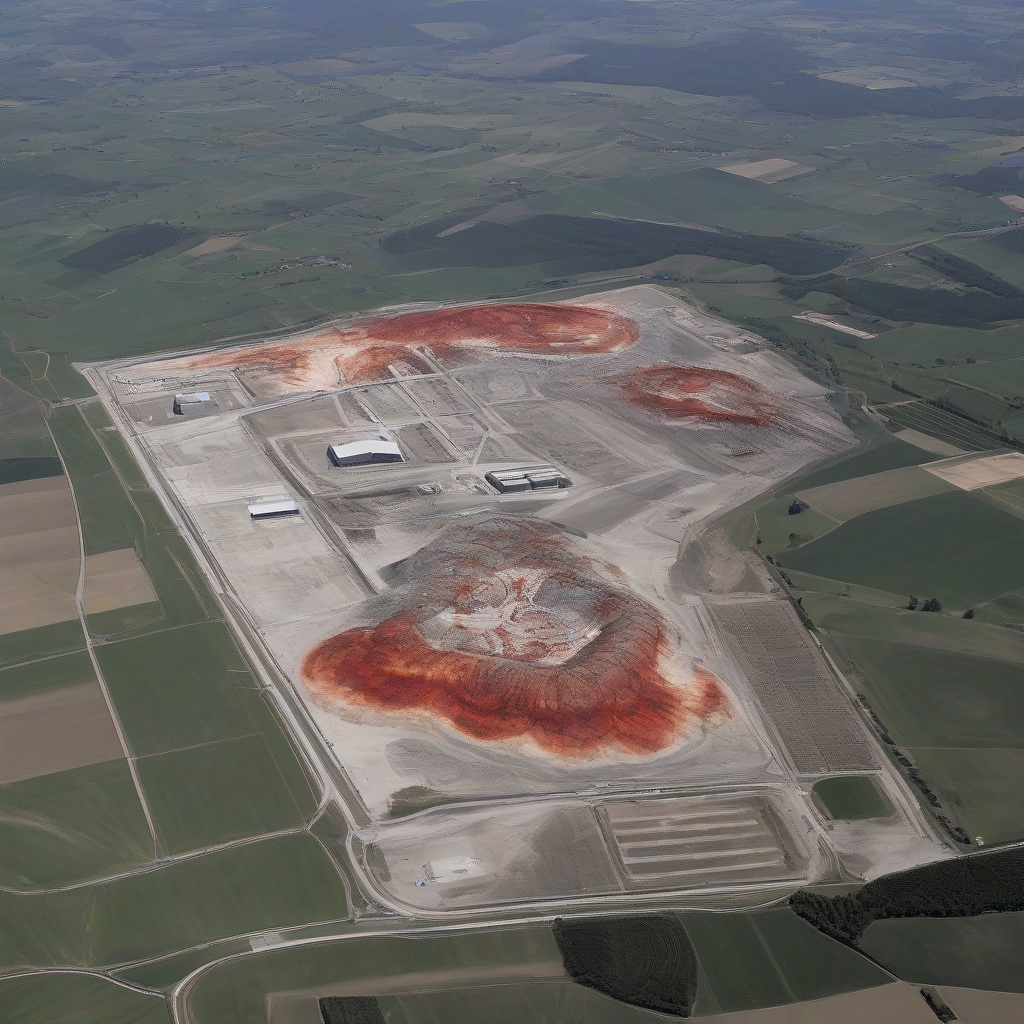
A significant geological discovery has been reported in Italy, where researchers have identified a massive magma reservoir concealed deep beneath the surface of Tuscany. According to ScienceDaily, this subterranean feature, spanning approximately 6,000 cubic kilometers, remained undetected until recently, showing no visible surface indications of its presence.
The identification of this formation was achieved through the analysis of natural ground vibrations. By deploying dozens of seismic sensors to record movement patterns, the research team was able to map the scope and volume of the magma body. Despite the scale of the reservoir, experts maintain that it poses no immediate hazard to the surrounding region or its inhabitants.
Geological Data Summary
| Parameter | Detail |
|---|---|
| Location | Tuscany, Italy |
| Estimated Volume | 6,000 cubic kilometers |
| Detection Method | Natural ground vibration seismic mapping |
| Surface Indicators | None |
| Hazard Level | No immediate danger |
This finding is significant for the field of vulcanology, as it illustrates how large-scale volcanic systems can persist in a dormant or hidden state for extended periods. The study highlights the efficacy of using ambient seismic noise to visualize underground structures that traditional satellite imaging might overlook.
Why It Matters
The identification of this 6,000-cubic-kilometer reservoir signals a potential shift in how energy and mineral exploration sectors evaluate regions previously thought to be geologically quiet. By mapping such large heat sources, industries specializing in geothermal energy extraction could identify new, high-yield sites that were previously unknown. Furthermore, the heat associated with this system may have facilitated the concentration of critical minerals, potentially opening new opportunities for the mining and energy sectors to refine their exploration strategies within the European region, moving beyond traditional survey methods.
Reader Discussion & Insights