
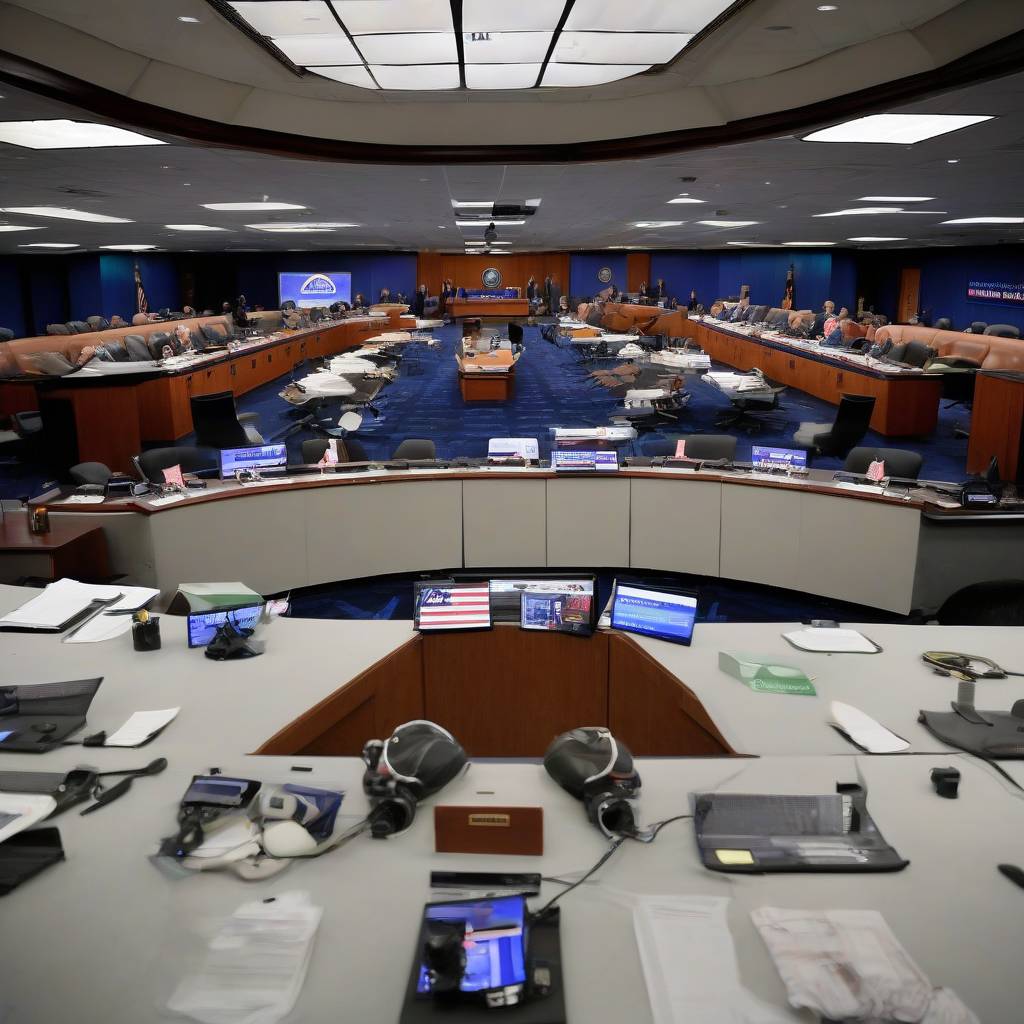

The Senate Homeland Security and Governmental Affairs Committee formally voted on Thursday to hold Dr. Anthony Fauci in contempt of Congress, according to ABC News — Top Stories. This legislative maneuver marks a significant escalation in the ongoing scrutiny of federal public health responses by the upper chamber of the United States legislature.
Legislative Action and Figures
The committee action follows a series of hearings and requests for information directed at Dr. Fauci regarding his testimony and communications during the pandemic. The decision to move toward a contempt charge signals that the committee remains unsatisfied with the level of cooperation or the documentation provided during its investigative process. While the vote represents a critical juncture for the committee, it initiates a complex legal and procedural path forward within the Senate.
| Action | Committee | Status |
|---|---|---|
| Contempt Vote | Senate Homeland Security and Governmental Affairs | Approved |
| Date of Vote | N/A | Thursday |
Official Context
Contempt of Congress is a rare parliamentary tool used when individuals fail to comply with subpoenas or requests for information from congressional committees. Under Senate rules, such a resolution may proceed to the full chamber for further action. The oversight power of the Senate Homeland Security and Governmental Affairs Committee allows it to probe the efficiency and conduct of executive branch officials. This specific development is part of a wider administrative effort to reconcile public health policies with legislative transparency standards as defined by the Federal government oversight protocols.
Why It Matters
The committee’s vote sets a high-stakes precedent for the relationship between appointed executive advisors and the legislative branch. By utilizing contempt power, the Senate is signaling an assertive stance on accountability that could alter how future officials engage with congressional subpoenas. This move extends beyond personal liability, potentially forcing a re-evaluation of document retention policies and testimony protocols across all federal health agencies. If this action reaches the full Senate floor, it could result in increased friction regarding executive privilege, fundamentally complicating the workflow between medical advisory bodies and government oversight committees for years to come.
Reader Discussion & Insights