
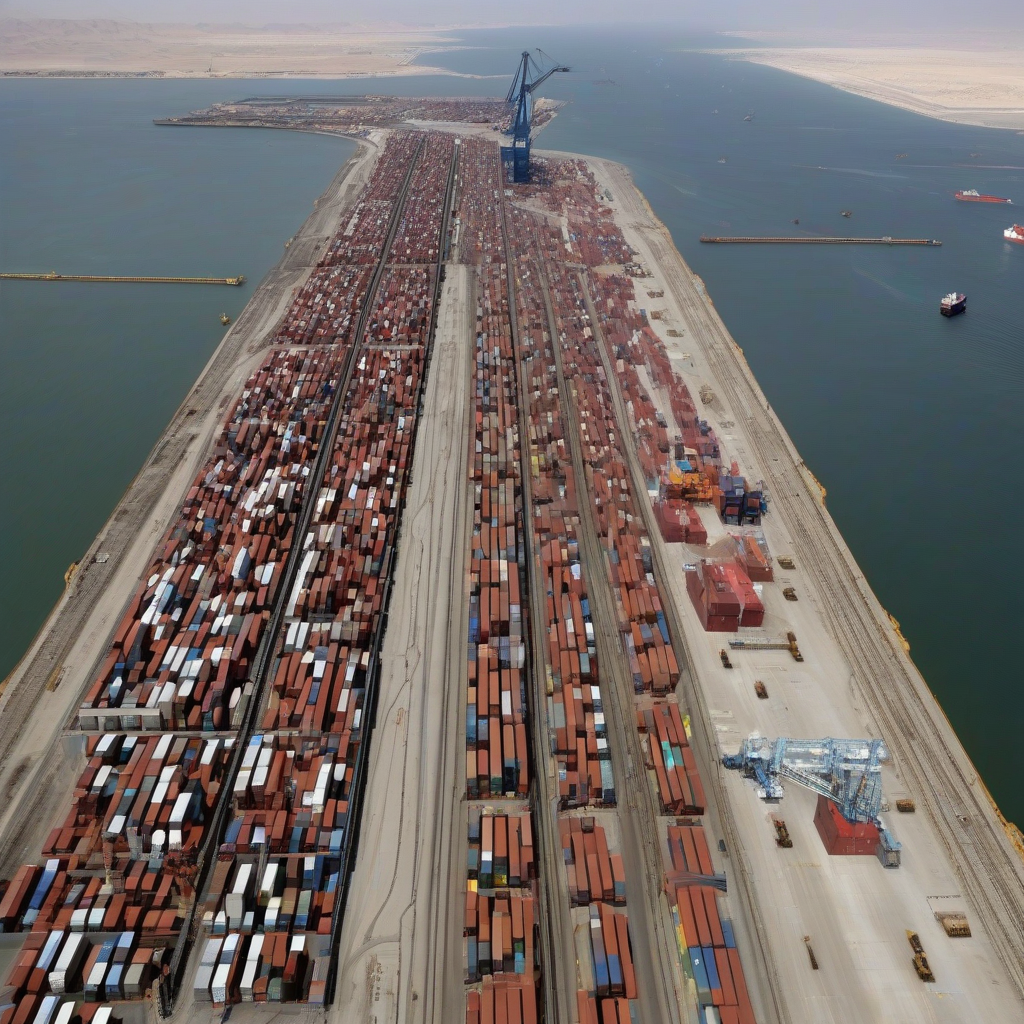
Global maritime industry leaders are formally requesting that the United Nations and the International Maritime Organization (IMO) block any implementation of mandatory transit fees or tolls within the Strait of Hormuz. According to gCaptain, the sector views such levies as a direct threat to the principle of freedom of navigation and the long-standing international regulatory framework governing vital maritime chokepoints.
The pushback follows concerns regarding potential unilateral actions to tax commercial vessels passing through this high-traffic energy corridor. The shipping industry contends that any imposition of charges would disrupt established trade flows, increase operational costs, and create significant legal uncertainty for carriers. By appealing to the IMO, the industry aims to uphold the standard maritime law that prevents individual nations from monetizing international straits.
Strategic Importance of the Strait of Hormuz
The Strait of Hormuz represents one of the most critical maritime routes in the world, serving as the primary transit point for a substantial portion of global seaborne oil and liquefied natural gas shipments. Any economic barrier placed on this route would have immediate consequences for energy markets and global logistics chains.
| Feature | Strategic Importance |
|---|---|
| Primary Commodity | Crude Oil & LNG |
| Regulatory Body | International Maritime Organization (IMO) |
| Primary Concern | Freedom of Navigation |
| Industry Request | Block Mandatory Transit Fees |
Why It Matters
The imposition of transit fees would signify a departure from the United Nations Convention on the Law of the Sea (UNCLOS), which generally prohibits interference with transit passage. If precedents are set for charging ships to utilize international waters, it could trigger a domino effect of similar claims across other global chokepoints. For investors and energy analysts, this development highlights a rising risk in logistics planning, as the costs associated with maritime transport are currently vulnerable to geopolitical shifts rather than purely market-driven factors.
Reader Discussion & Insights