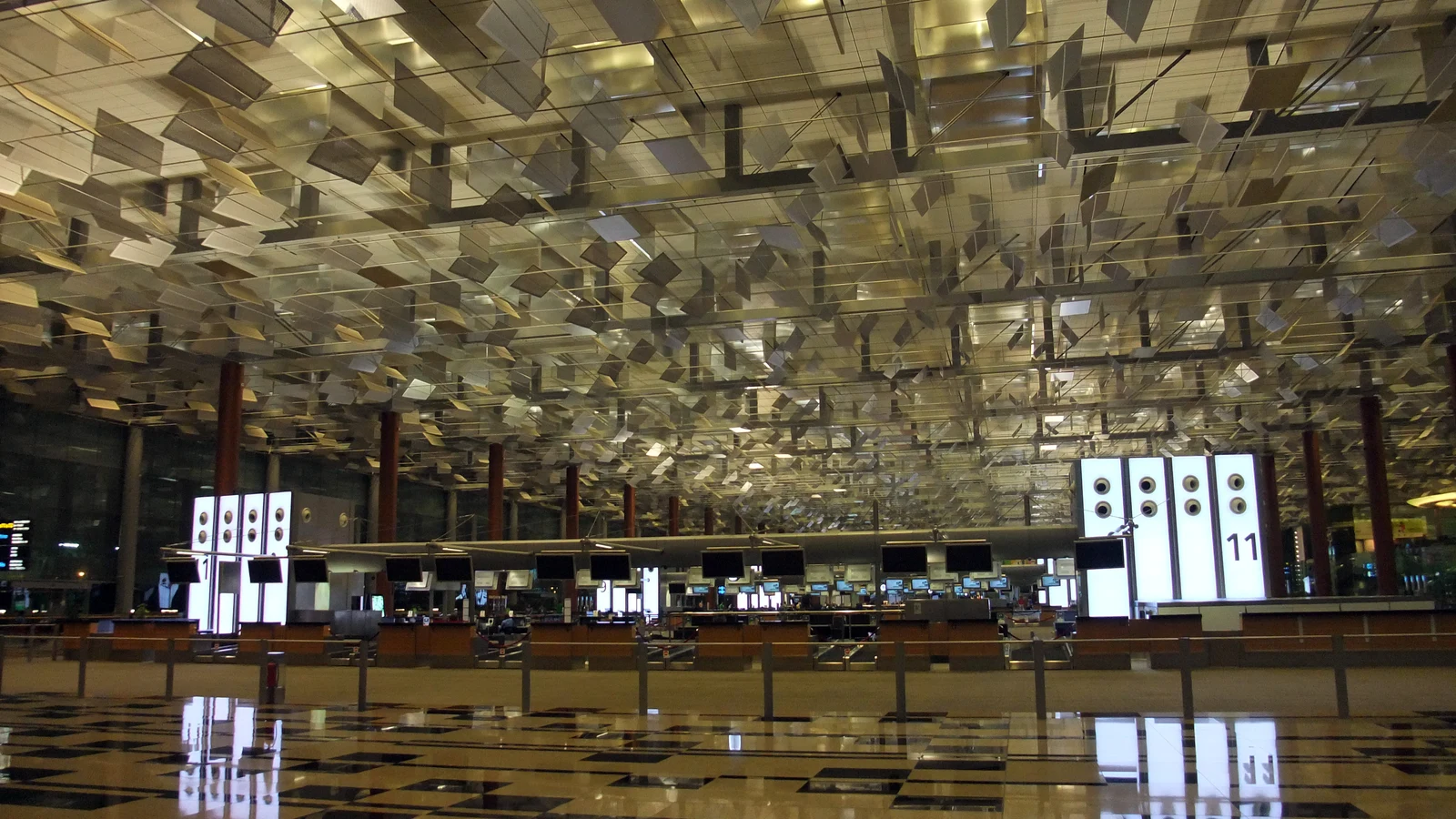
The hotel sector in Singapore experienced a significant performance milestone in October 2026. According to industry data reported by Skift Travel Discovery, the city-state's Average Daily Rate surpassed the SGD 400 threshold for the first time. This record-breaking surge in room pricing was largely attributed to the hosting of the Formula 1 event, which created an environment of exceptionally high demand within the local market. In addition to the record pricing, the industry observed a positive trajectory in Revenue Per Available Room. Source
Singapore Hospitality Performance and Regional Trends
The revenue metric known as Revenue Per Available Room demonstrated a year-over-year increase of 8.1%. This growth in key performance indicators highlights the impact of major international events on the Singapore hospitality landscape during the month of October 2026. Hotel operators managed significant pricing adjustments during this period, capitalizing on the temporary influx of visitors. This data reflects a specific spike in performance driven by the global sporting event, distinguishing October from other months in the regional calendar. Source
Performance across the broader Asia Pacific region exhibits a different trajectory for the final quarter of 2026. Data provided by Amadeus Dema and cited by Skift Travel Discovery indicates that hotel occupancy levels, when excluding China, reached 58% on the books for October 2026. This data serves as a baseline for understanding regional demand. Although these figures represent the current state of reservations, the region as a whole shows signs of a tempered pace compared to previous annual performance metrics for the sector. Source
Looking ahead, reservations for November 2026 indicate an occupancy level of 27% on the books. Both the October 2026 and November 2026 occupancy figures are trending slightly below the levels observed during the corresponding periods in 2025. This pacing suggests a shift in how travelers are securing their arrangements across the Asia Pacific market. While individual markets like Singapore experience peaks driven by events, the regional performance landscape remains characterized by this relative softening in advance booking volumes compared to the previous year. Source
Technology Adoption and Evolving Booking Preferences
Beyond regional occupancy metrics, new research provides insight into evolving travel behaviors for 2027. The SiteMinder Changing Traveller Report 2027, which surveyed over 12,000 travelers across 14 global markets, identifies a distinct shift in how Chinese travelers engage with technology. The findings indicate that Chinese respondents are significantly more prepared to adopt artificial intelligence for their accommodation research and booking processes compared to the global average. This technological integration is emerging as a key factor in how this traveler segment approaches future trips. Source
Specifically, 14.2% of Chinese survey respondents indicated they intend to begin researching their accommodation using an AI assistant in 2027. This intent significantly outpaces the 7.3% of global respondents who expressed similar plans. Furthermore, when it comes to finalizing a reservation, 10.7% of Chinese travelers expect to use an AI assistant for their booking. This is nearly double the global anticipation rate of 5.9%. These figures highlight a rapidly growing preference for automated planning tools among Chinese travelers planning their 2027 stays. Source
Despite the rising interest in AI assistants, traditional channels remain the primary method for securing hotel rooms. Online travel agencies continue to dominate the market for Chinese respondents, with 52.9% planning to use these platforms for their future bookings. This figure is higher than the global average of 39.7%. Online travel agencies provide a centralized platform that many travelers rely on for price comparison and availability, maintaining their relevance even as alternative booking technologies like AI assistants gain visibility and usage in the marketplace. Source
The study also reveals how travelers choose to interact directly with hospitality providers. Approximately 9.9% of Chinese respondents expressed an expectation to book directly through a property's website for their 2027 travel. In contrast, 16.6% of global travelers plan to utilize property websites for their direct bookings. This divergence indicates that Chinese travelers currently show a different level of preference for brand-direct booking channels compared to the wider global population, favoring third-party aggregators or emerging AI-based tools instead. Source
Accommodation type preferences further illustrate the variance in travel planning. Chain-affiliated hotels are the preferred choice for 35.4% of Chinese respondents, a segment that prioritizes the consistency and known brand standards these entities offer. This preference is significantly stronger than the global average, where 21.6% of travelers identify chain hotels as their primary accommodation type. These trends provide a clear indication of how different market segments prioritize service delivery, brand recognition, and technological accessibility when determining their lodging choices for the coming year. Source
These findings from the SiteMinder report offer a snapshot into the future of international hospitality and the role of innovation. As artificial intelligence becomes more sophisticated, the gap in adoption rates between specific traveler demographics may further influence hotel marketing strategies. For now, the data confirms that while digital booking tools are transforming, the established infrastructure of travel agencies and chain hotels remains the cornerstone of the hospitality business across the Asia Pacific region and beyond, even as new behaviors emerge among key demographic segments. Source
The data presented by industry analysts underscores the multifaceted nature of current travel trends. Whether through the impact of massive public events on city-wide hotel rates or the granular changes in how individual travelers research their next destination, the hospitality industry continues to adjust to fluctuating demand. By monitoring metrics like Average Daily Rate and RevPAR alongside consumer sentiment and technology adoption, operators can gain a better understanding of the factors that define successful performance in an increasingly digitized and fast-paced global travel market. Source
To summarize the booking outlook, the data for October and November 2026 emphasizes the importance of pacing. With occupancy figures in both months trailing 2025 levels, the industry is closely watching for future recovery signals. The correlation between Formula 1 in Singapore and record rate performance demonstrates how specific events can deviate from broader market trends. Simultaneously, the persistent shift of Chinese travelers toward AI and third-party platforms serves as a reminder that consumer preferences are consistently evolving in tandem with new digital solutions available today. Source