
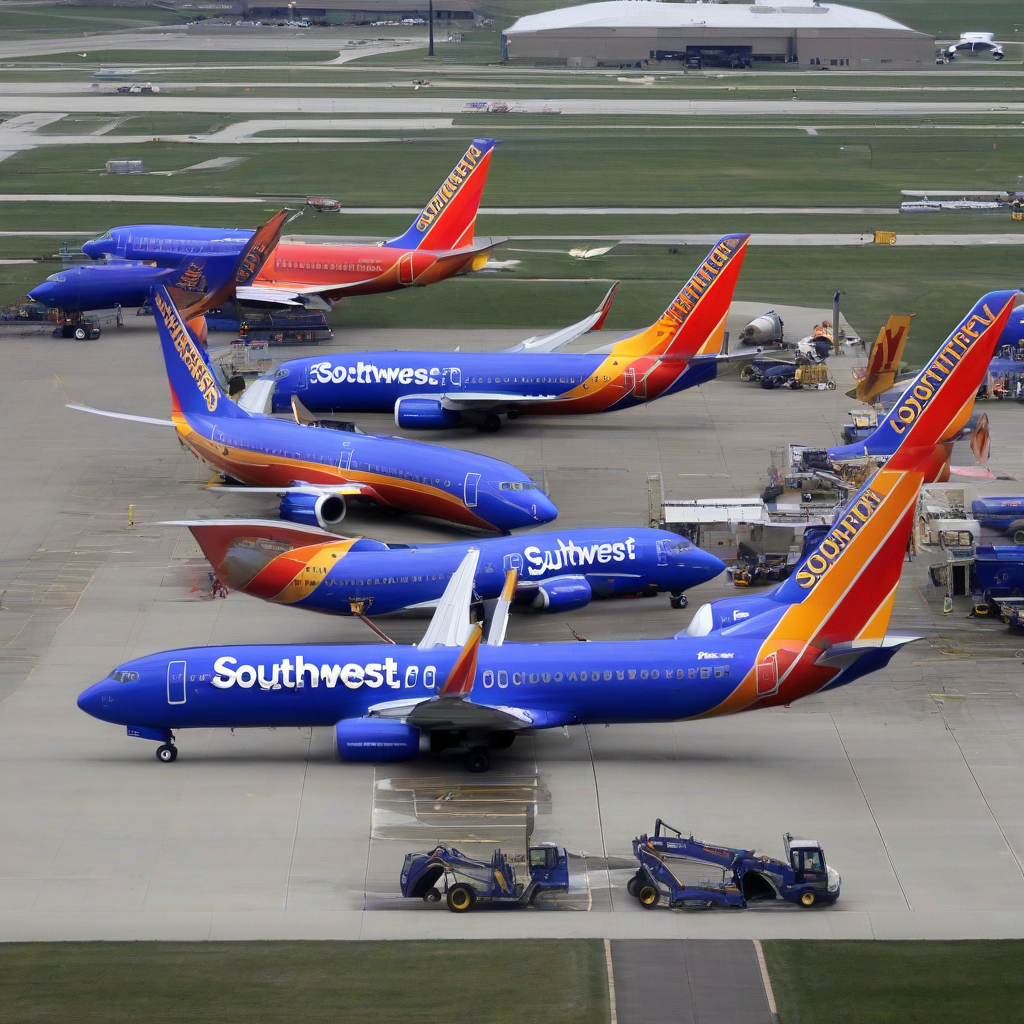
Southwest Airlines has finalized its withdrawal from Chicago O'Hare International Airport (ORD), concluding a five-year operational presence at the facility. According to Simple Flying, the carrier has ceased all scheduled flights to the airport, which currently holds the global title for the highest volume of aircraft movements.
While Hartsfield-Jackson International Airport (ATL) maintains the top position for total passenger numbers, O'Hare remains the world leader in flight activity. This status is largely driven by a high concentration of regional jet traffic, which results in a denser distribution of aircraft movements compared to airports reliant on larger, long-haul equipment.
Airport Operational Comparison
| Feature | Chicago O'Hare (ORD) | Hartsfield-Jackson (ATL) |
|---|---|---|
| Global Ranking (Movements) | 1st | - |
| Global Ranking (Passengers) | - | 1st |
| Operational Strategy | High frequency/Regional jets | High passenger throughput |
Southwest Airlines entered the O'Hare market with the intention of capturing a slice of the significant traffic moving through the facility. However, the airline’s recent decision to exit follows an evaluation of its hub and spoke strategy in the Chicago region, where it continues to maintain a significant presence at Midway International Airport (MDW).
Why It Matters
The departure of a major carrier like Southwest from a hub as significant as ORD underscores the volatility of high-frequency airport slots. For airlines, maintaining operations at the busiest global hubs requires an immense commitment of resources and highly optimized scheduling to compete with legacy carriers that dominate the infrastructure. Southwest's retreat indicates a strategic pivot toward operational consolidation, prioritizing efficiency at airports where they possess a dominant market share rather than fragmenting capacity across multiple hubs in a single metropolitan area. This shift signals a broader industry trend of tightening route networks to protect profit margins against fluctuating demand.
Reader Discussion & Insights