
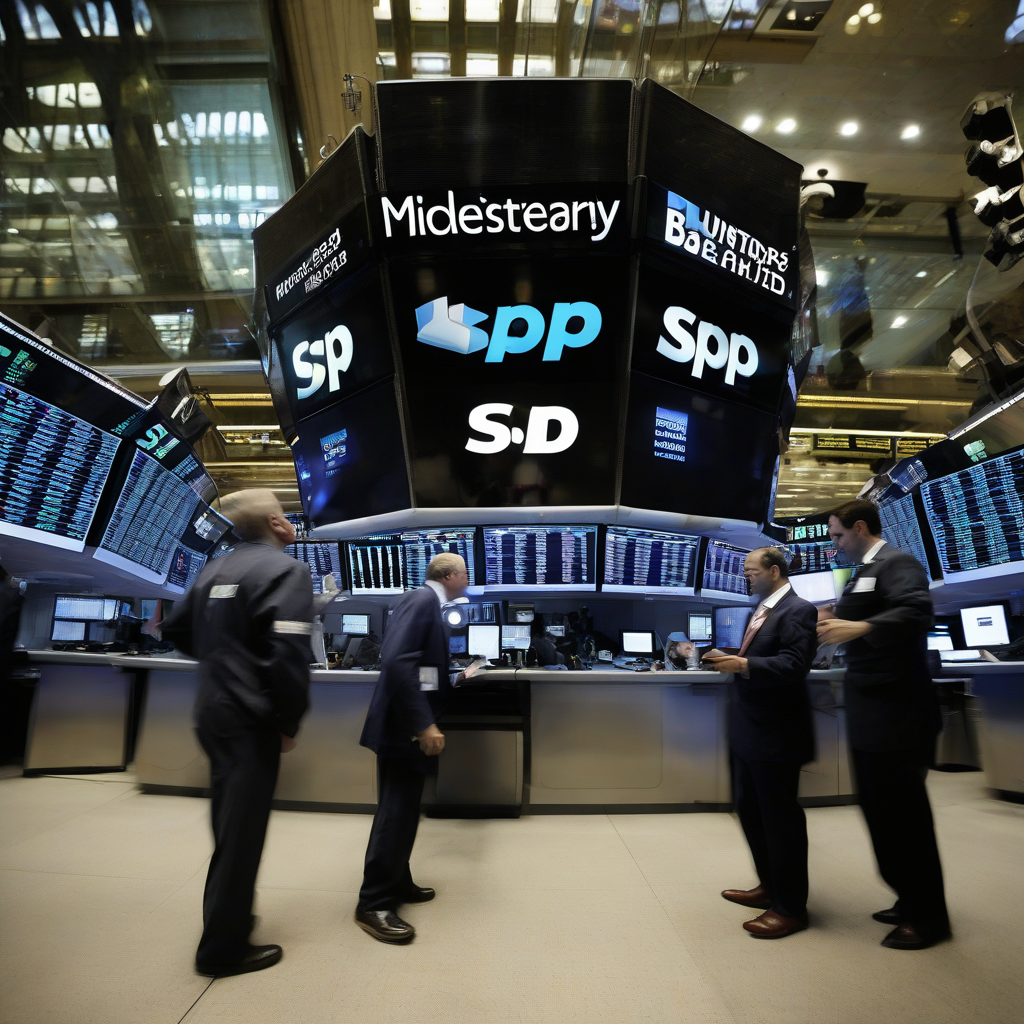
The S&P 500 reached a record high in recent trading, driven by favorable financial disclosures from artificial intelligence-focused corporations and optimistic sentiment regarding potential geopolitical resolutions in the Middle East. According to NYSE, this performance reflects a broad investor confidence in the growth trajectory of the technology sector.
Market participants have shifted their focus toward quarterly earnings reports, where companies integrated with AI capabilities are showing performance metrics that exceed general market expectations. While specific institutional financial reports remain fluid, the alignment of high-tech earnings with lower geopolitical risk premiums has provided a tailwind for domestic equity benchmarks. The current market environment suggests that investors are prioritizing sector-specific growth over broader macroeconomic uncertainty.
| Indicator | Market Trend |
|---|---|
| S&P 500 Status | Record High |
| Primary Driver | AI-Linked Earnings |
| Sentiment Factor | Mideast Deal Hopes |
Financial analysts observing the trend note that the reliance on AI-driven revenue streams has become a defining characteristic of this fiscal period. Regulatory filings monitored by the SEC indicate that firms heavily invested in infrastructure for computational power and data processing are receiving the highest valuation support from institutional traders.
Why It Matters
The ascent of the S&P 500 to a record peak illustrates a concentrated reliance on the technology sector to carry the weight of broader market indexes. When index performance becomes increasingly tied to a narrow group of high-growth technology companies, the systemic risk profile changes significantly. If the expected earnings growth in the AI sector experiences a correction, the lack of breadth in other industrial segments may leave the wider market vulnerable to volatility. This reliance signals a transition where geopolitical news and sector-specific earnings serve as the primary levers for valuation rather than standard macroeconomic indicators like employment or manufacturing output.
Reader Discussion & Insights