
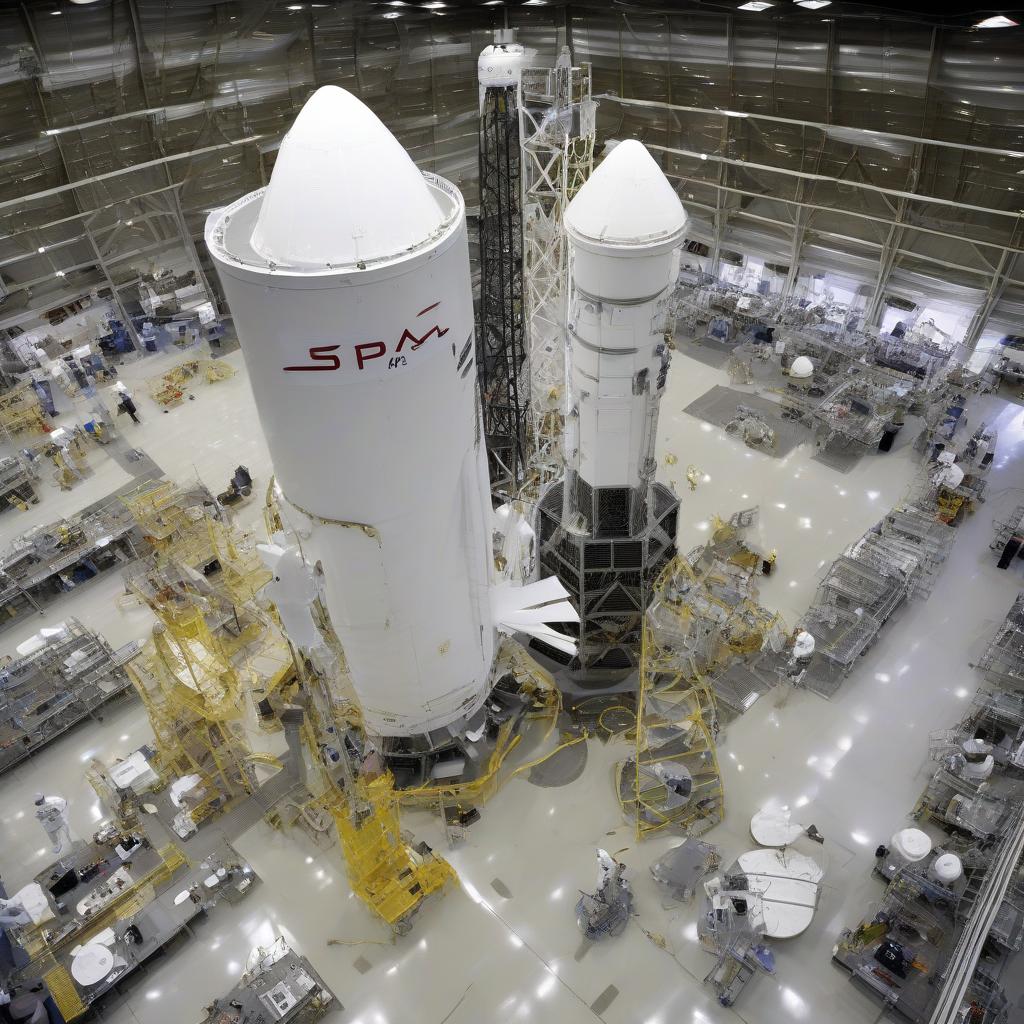

SpaceX is officially preparing to expand into the terrestrial mobile telecommunications market, according to Semafor. During the company’s most recent earnings call, leadership confirmed intentions to integrate terrestrial operations into their existing service model without requiring the acquisition of traditional carriers like Verizon or AT&T.
SpaceX president Gwynne Shotwell addressed the strategic approach during the investor update, noting that the firm intends to develop terrestrial capabilities without the traditional requirement of committing to high upfront capital expenditures for low-band spectrum. This move suggests a departure from the capital-intensive deployment strategies typically utilized by established telecommunications incumbents.
While industry analysts emphasize the technical challenges associated with operating a network in dense urban environments and the inherent difficulties of entering a mature sector, the pressure on existing market players is becoming apparent. The move is expected to trigger increased capital allocation among major firms as they attempt to secure spectrum and retain market share against SpaceX’s satellite-backed infrastructure.
Strategic Comparison of Market Approaches
| Feature | Traditional Telco | SpaceX Approach |
|---|---|---|
| Spectrum Strategy | High upfront cost | Non-traditional/Incremental |
| Primary Network | Terrestrial/Cell Tower | Satellite-Integrated |
| Market Entrance | Acquisition/Build | Direct Build |
Regulatory alignment remains a key focal point for observers. Industry monitors are closely tracking SpaceX’s engagement with the Federal Communications Commission (FCC) and its interactions with FCC chair Brendan Carr, which are expected to influence how the company secures necessary operating licenses.
Why It Matters
SpaceX’s entry into the terrestrial market threatens to disrupt the long-standing status quo of mobile telecommunications. By bypassing the need to purchase or mimic legacy carriers, Musk’s organization is effectively commoditizing access to spectrum. For the 'Big Three' providers, this introduces a new form of asymmetric competition where capital efficiency and satellite-to-terrestrial handoff capabilities dictate success rather than just sheer scale of tower deployment. This shift may force federal regulators to rethink spectrum allocation policies as non-traditional players prioritize speed-to-market over traditional nationwide coverage buildouts.
Reader Discussion & Insights