
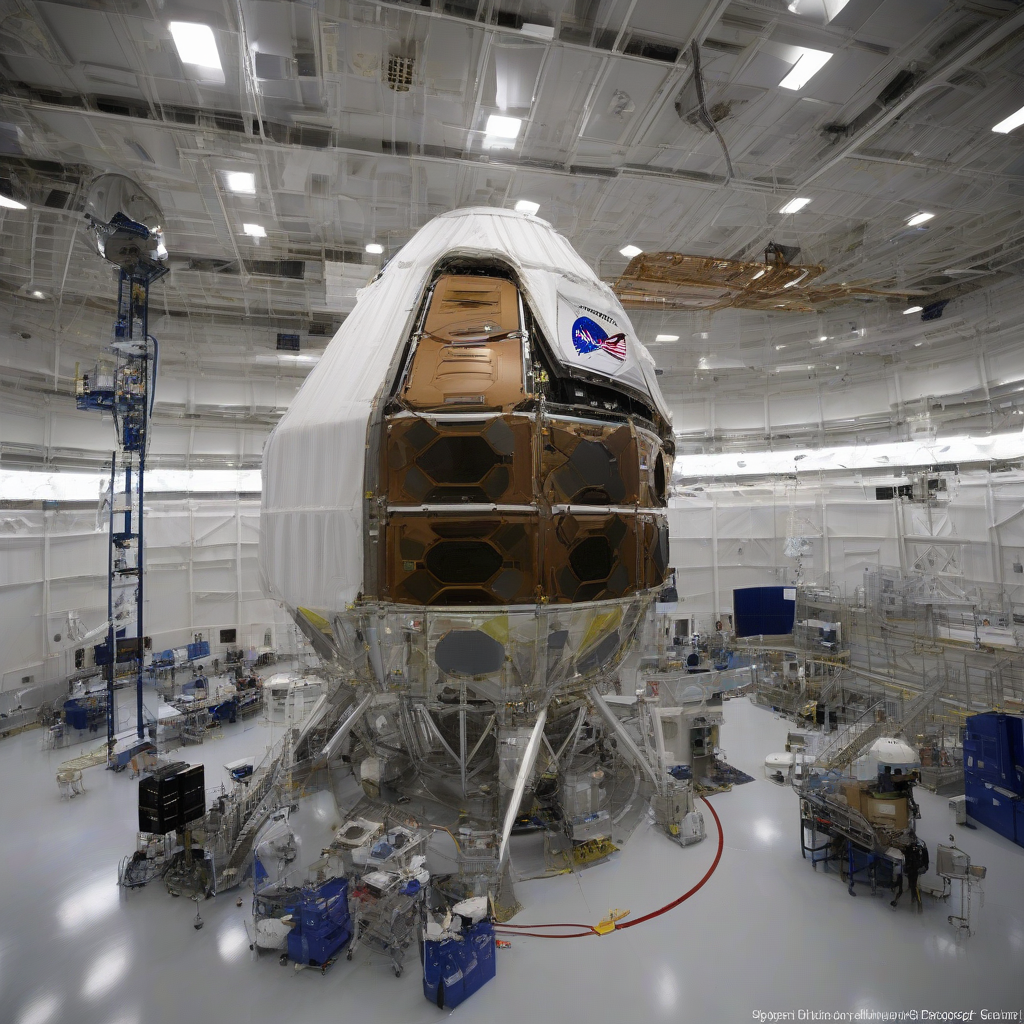
SpaceX is scheduled to launch its Crew-13 mission to the International Space Station (ISS) no earlier than September 12, according to Space.com. Mission managers and the designated crew confirmed the timeline during a press briefing held on August 3 at NASA’s Johnson Space Center in Houston. The flight will depart from Space Launch Complex-40 at the Cape Canaveral Space Force Station in Florida, marking a significant operation for the Expedition 75/76 crew.
The mission will utilize the Dragon spacecraft known as "Grace," making it the second crewed flight for this specific vehicle. The four-member team includes NASA commander Jessica Watkins, NASA pilot Luke Delaney, Canadian Space Agency mission specialist Josh Kutryk, and Roscosmos mission specialist Sergey Teteryatnikov. Following the launch, the crew is expected to dock with the orbiting laboratory the following day to initiate a seven-month residency. Watkins, who previously flew into space, is slated to become the first active NASA astronaut to complete two flights aboard a Dragon vehicle.
| Attribute | Detail |
|---|---|
| Target Launch Date | No earlier than Sept. 12 |
| Launch Site | Space Launch Complex-40 |
| Spacecraft Name | Grace |
| Crew Size | 4 |
| Mission Duration | 7 months |
| Expedition | 75/76 |
During the mission, the crew will conduct specialized research, including studies aimed at addressing Parkinson's disease and heart disease. The agenda also includes routine station maintenance, extravehicular activities (spacewalks), and various visiting vehicle capture operations. Joel Montalbano, NASA's deputy associate administrator for human spaceflight, emphasized that these missions are essential for improving the collective understanding of low Earth orbit and bolstering international cooperation in space exploration.
Why It Matters
The Crew-13 mission underscores the normalization of commercial crew rotation as a foundational element of ISS operations. By utilizing specific hardware like the "Grace" spacecraft for multiple missions, SpaceX and NASA are shifting the focus from developmental testing to routine, high-frequency logistics. This transition is critical for the long-term sustainability of the ISS, ensuring that research capacity remains high even as the agency eyes future lunar and Martian exploration. Furthermore, the inclusion of multi-national partners such as the Canadian Space Agency and Roscosmos remains vital for the diplomatic integrity of space-based scientific collaboration.
Reader Discussion & Insights