
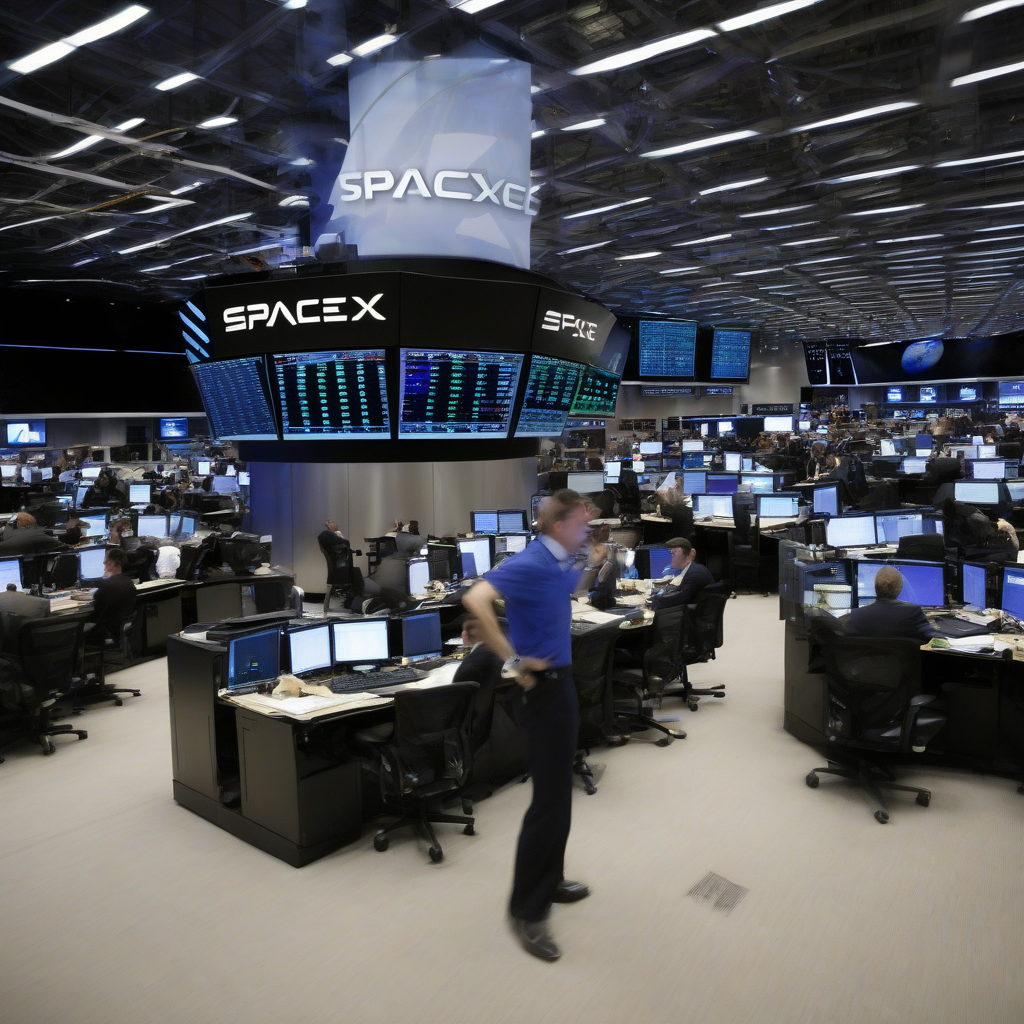
Andre Lavoie, an engineer who joined SpaceX in 2009, has signaled his intent to continue selling his equity stake in the private aerospace corporation. According to BBC News — Business, Lavoie is among a growing cohort of early-tenure employees looking to realize financial gains from their long-standing positions within the company, stating that he intends to sell more of his holdings whenever the opportunity arises.
SpaceX, a private entity, does not trade on public exchanges like the NYSE or NASDAQ. Instead, the company periodically facilitates secondary market windows that allow staff and early investors to sell shares to institutional buyers. This process is common for high-valuation private companies that prioritize retaining control over their capitalization table while offering employees a pathway to liquidity.
Employee Equity Overview
| Attribute | Detail |
|---|---|
| Subject | Andre Lavoie |
| Initial Hire Date | 2009 |
| Action | Selling company shares |
| Market Type | Private Secondary Market |
Why It Matters
The pattern of early SpaceX employees offloading equity highlights a shift in private market sentiment. As SpaceX maintains a high valuation without a near-term public offering, the secondary market becomes the primary mechanism for wealth realization. While these sales provide employees with liquidity, they also allow private equity firms to gain exposure to the aerospace sector's growth outside of public market volatility. This creates a feedback loop where long-term institutional investors increasingly occupy the cap tables of major technology and aerospace players, potentially delaying or complicating future IPO ambitions for the leadership team.
Reader Discussion & Insights