
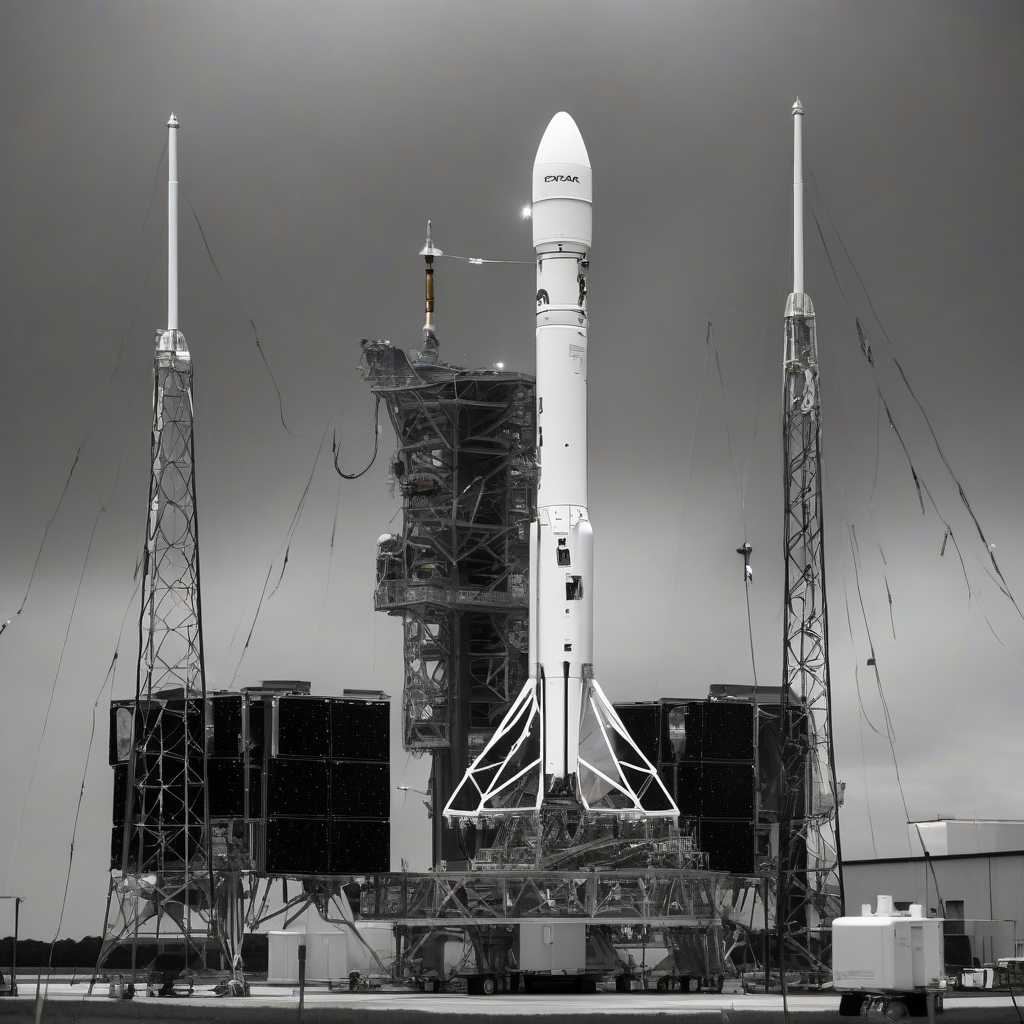
Scientific data has confirmed that a SpaceX Falcon 9 rocket successfully intersected with the lunar surface. According to WIRED, while no direct photographic evidence of the moment of collision exists, researchers have identified distinct signals that corroborate the event occurred as predicted.
The trajectory of the Falcon 9 rocket placed it on a collision course with the Moon, a development that attracted significant attention from the astronomical community. Despite the absence of real-time visual documentation, the detection of specific impact signals provides the necessary evidence to verify the craft’s final position. Space agencies and commercial operators are now monitoring various lunar orbiters, which are expected to provide the first high-resolution imagery of the debris field in the coming days.
Impact Verification Data
| Data Point | Status |
|---|---|
| Impact Event | Confirmed via Signal |
| Visual Documentation | Pending |
| Expected Imagery Delivery | Coming Days |
Why It Matters
This incident highlights a growing concern in orbital debris management: the lack of high-fidelity tracking for objects once they exit traditional Earth-orbit maintenance. As commercial space traffic increases, the reliance on passive tracking rather than active observation risks leaving blind spots in our understanding of celestial impacts. Improved coordination between private spaceflight providers and global astronomical monitoring stations is required to turn these accidental lunar impacts into opportunities for geophysical data collection, rather than viewing them merely as uncontrolled disposal events.
Reader Discussion & Insights