
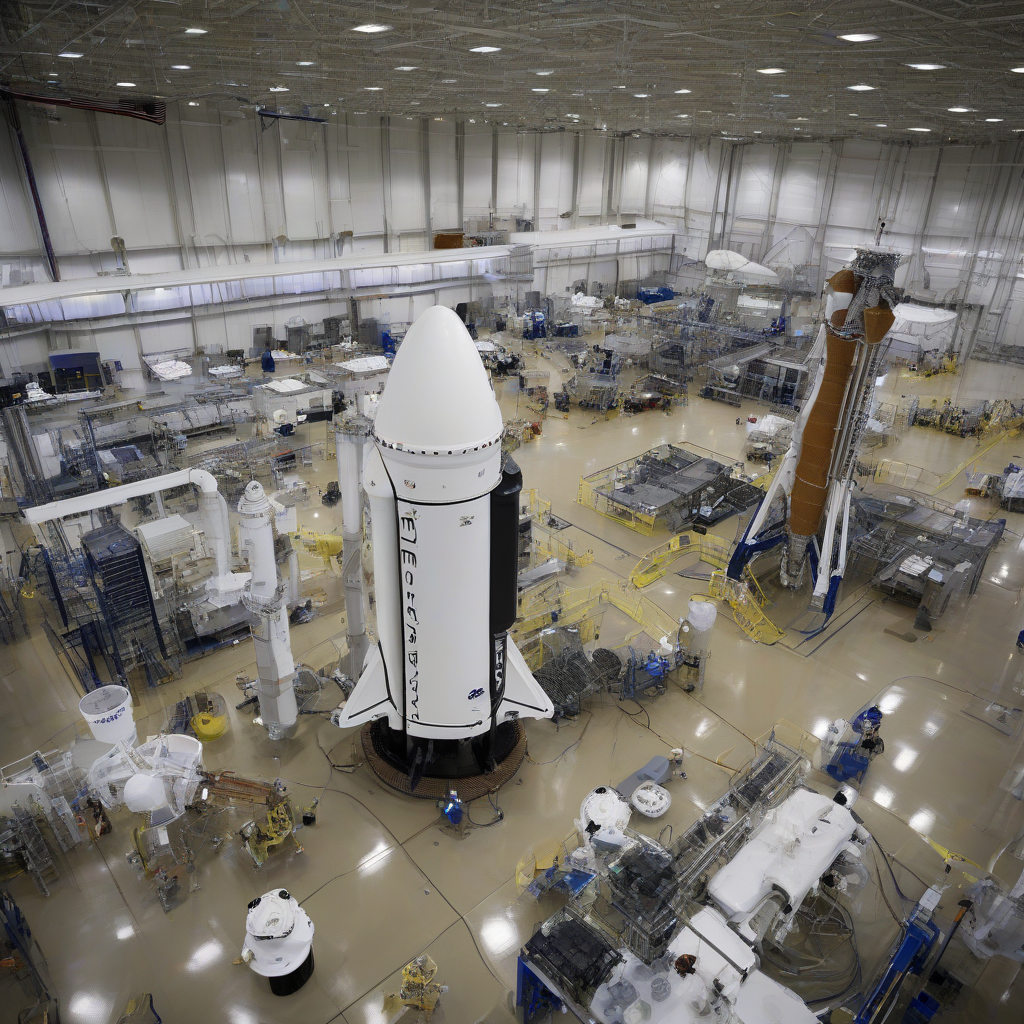
SpaceX has recorded a significant rise in its total revenue while simultaneously managing massive capital expenditures, according to BBC News — Technology. As the company continues to scale its operations, the financial data reveals the intense costs required to sustain orbital launch capabilities and satellite network expansion.
While the company has seen top-line growth, the financial disclosures highlight the difficulty of sustaining early investor momentum. The figures indicate that despite surging demand for commercial space transport, the high-frequency launch schedule and the development of next-generation hardware represent a heavy burden on the company's liquid capital reserves.
Financial Performance Overview
| Financial Metric | Status/Trend |
|---|---|
| Total Revenue | Increased |
| Expenditure Levels | Substantial |
| Investor Sentiment | Variable |
Regulatory filings underscore that the firm’s reliance on capital-intensive technology projects requires constant cash flow. The balance between aggressive research and development and operational sustainability remains a primary focus for stakeholders monitoring the firm's progress within the broader aerospace sector.
Why It Matters
For the commercial space industry, SpaceX's financial path acts as a bellwether for the viability of the private space economy. Unlike traditional government-contracted aerospace firms, SpaceX operates under a high-risk, high-reward model that prioritizes rapid prototyping. If the company cannot maintain or exceed current revenue growth to offset its ballooning expenditure, it could signal a cooling period for private equity investment in space-based infrastructure. This scenario would force other industry players to pivot toward more conservative fiscal strategies to avoid the volatility currently seen in recent aerospace market entries.
Reader Discussion & Insights