
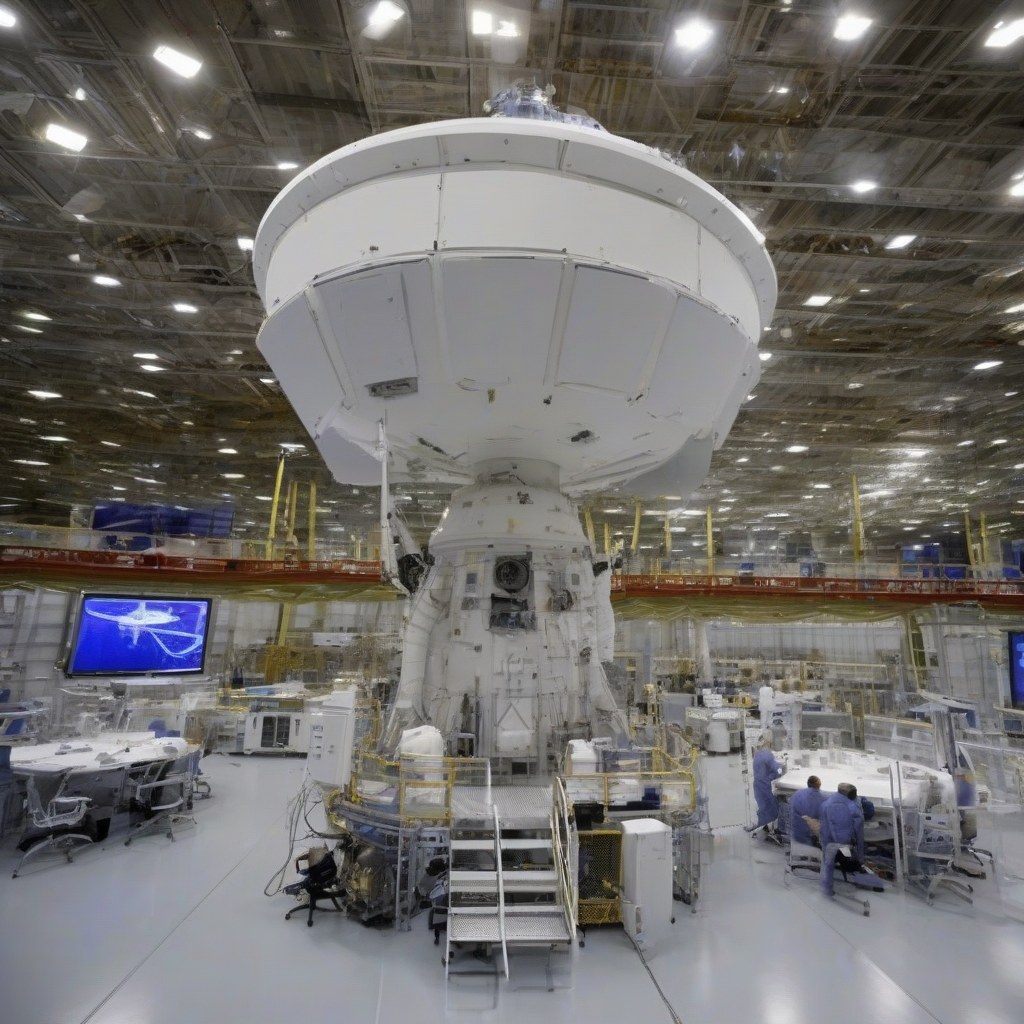
SpaceX is prepared to deploy three additional direct-to-cell satellites for AST SpaceMobile on Wednesday, August 5, according to Space.com. The launch, utilizing a Falcon 9 rocket, will depart from the Cape Canaveral Space Force Station in Florida. The mission is scheduled for a 96-minute window that commences at 3:42 a.m. EDT (0742 GMT).
Live coverage of the event is expected to begin at 2:42 a.m. EDT (0642 GMT). This launch represents a significant effort to scale AST SpaceMobile's low Earth orbit (LEO) constellation, designed to provide internet connectivity directly to standard, unmodified mobile devices.
Launch and Satellite Specifications
The mission will utilize a Falcon 9 booster that has previously flown 29 times. Following the deployment of the satellites, the first stage is programmed to land on the SpaceX drone ship, "A Shortfall of Gravitas," approximately 8.5 minutes after liftoff. The upper stage will handle the payload delivery, with an 11-minute deployment sequence beginning 53.5 minutes after launch.
| Feature | Detail |
|---|---|
| Rocket | SpaceX Falcon 9 |
| Payload | BlueBird 11-13 satellites |
| Launch Site | Cape Canaveral Space Force Station |
| Launch Window Start | 3:42 a.m. EDT (0742 GMT) |
| Deployment Start | 53.5 minutes after liftoff |
AST SpaceMobile has previously deployed ten BlueBird satellites. The company is transitioning from its "Block 1" satellites, which feature 693 square feet (64.4 square meters) arrays, to "next-generation" models. The newer satellites, including those launched in December 2025 and June 2026, feature antennas covering 2,400 square feet (223 square meters). According to official statements from AST SpaceMobile, these next-gen units are expected to provide double the peak download speeds of the 98.9 Mbps recorded by Block 1 units.
Why It Matters
The successful deployment of these satellites is critical for the commercial viability of satellite-to-cellular technology. By targeting unmodified smartphones, AST SpaceMobile creates a direct competitor to traditional terrestrial cellular towers in remote or underserved areas. The industry's move toward these massive antenna arrays represents a shift in LEO economics, where physical aperture size directly correlates to bandwidth capacity. If this constellation reaches critical mass, telecommunications providers will face pressure to integrate space-based roaming into standard consumer mobile plans to maintain competitive coverage parity, effectively treating the sky as an extension of the local cell grid.
Official Context
President of AST SpaceMobile, Scott Wisniewski, noted in a July 28 statement that current manufacturing capacity and successful deployments of units 8, 9, and 10 position the company to initiate beta services later this year. While the company lost a satellite in April during a Blue Origin New Glenn flight, the continued reliance on the Falcon 9 launch cadence remains central to their current operational roadmap.
Reader Discussion & Insights