
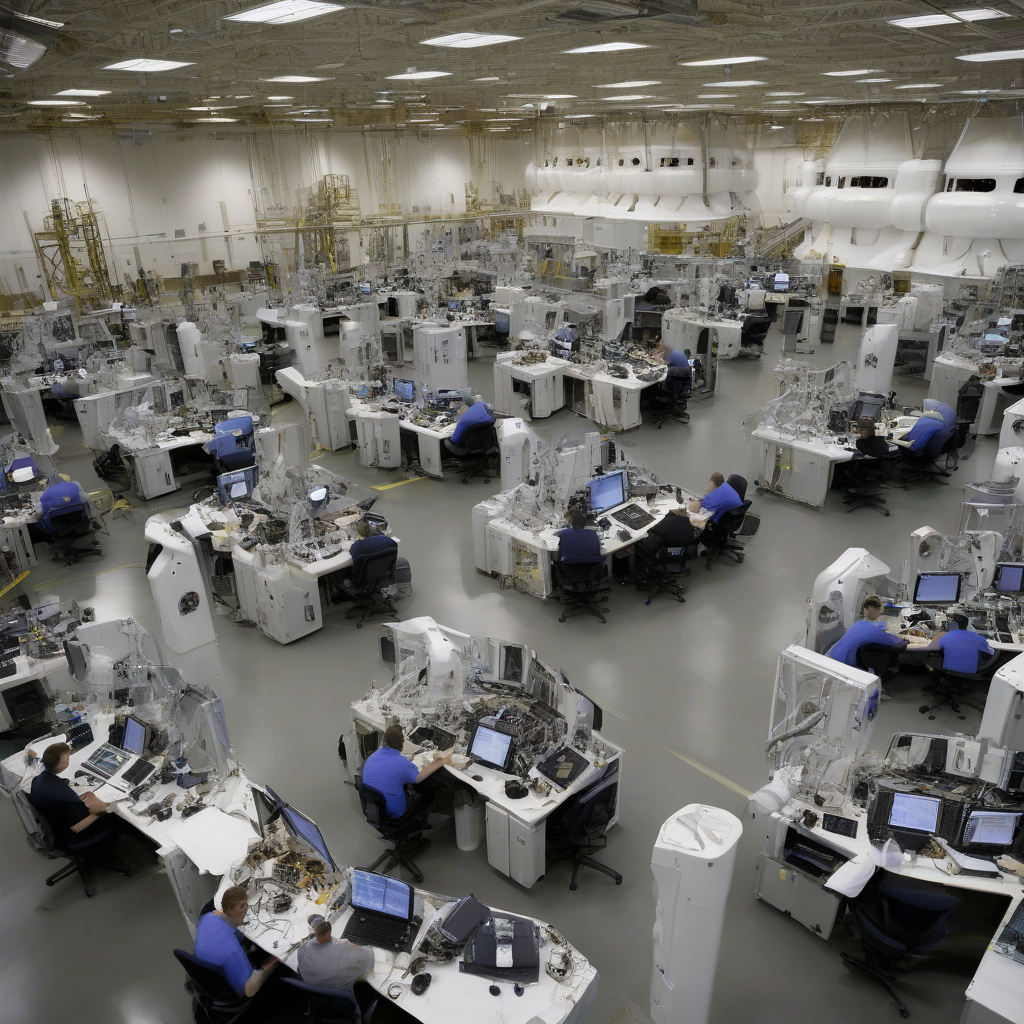
SpaceX is preparing to release its inaugural financial report as a publicly traded company, a move that comes on the heels of a noticeable decline in its share price since its market debut, according to IPO News. This disclosure will provide investors and analysts with the first transparent look into the private space firm's fiscal health since transitioning away from its previous private ownership model.
Following the firm's initial public offering, the equity value experienced a downward trend, drawing attention from market participants who are closely monitoring the company's ability to maintain high capital expenditures while scaling its satellite and rocket launch operations. The upcoming earnings report is expected to detail the company's revenue streams, operational costs, and overall profit margins, which have been topics of intense speculation in the financial sector.
Financial Disclosure Overview
| Data Category | Status |
|---|---|
| Reporting Milestone | First post-IPO earnings report |
| Market Performance | Recent share price decline |
| Sector | Commercial Space & Aerospace |
As the company operates in a highly capital-intensive industry, the upcoming report will likely address the scaling costs associated with its flagship launch systems. Investors will be assessing these figures against the firm's previous private valuations and the performance metrics expected by institutional stakeholders post-IPO. While the company has not provided specific guidance on the exact date of the release, compliance with SEC reporting requirements for publicly traded entities necessitates a structured approach to fiscal disclosure.
Why It Matters
The transition to public markets for a firm of this profile represents a significant test for the commercial space economy. By opening its books to public scrutiny, the company is shifting the narrative from visionary private venture to a value-driven enterprise subject to quarterly market pressures. This shift forces a reconciliation between long-term research and development costs and the immediate need for profitability. If the earnings reveal sustainable margins, it may validate the broader investment thesis for space-based infrastructure, potentially stabilizing investor confidence across the entire commercial space and satellite launch sector.
Reader Discussion & Insights