
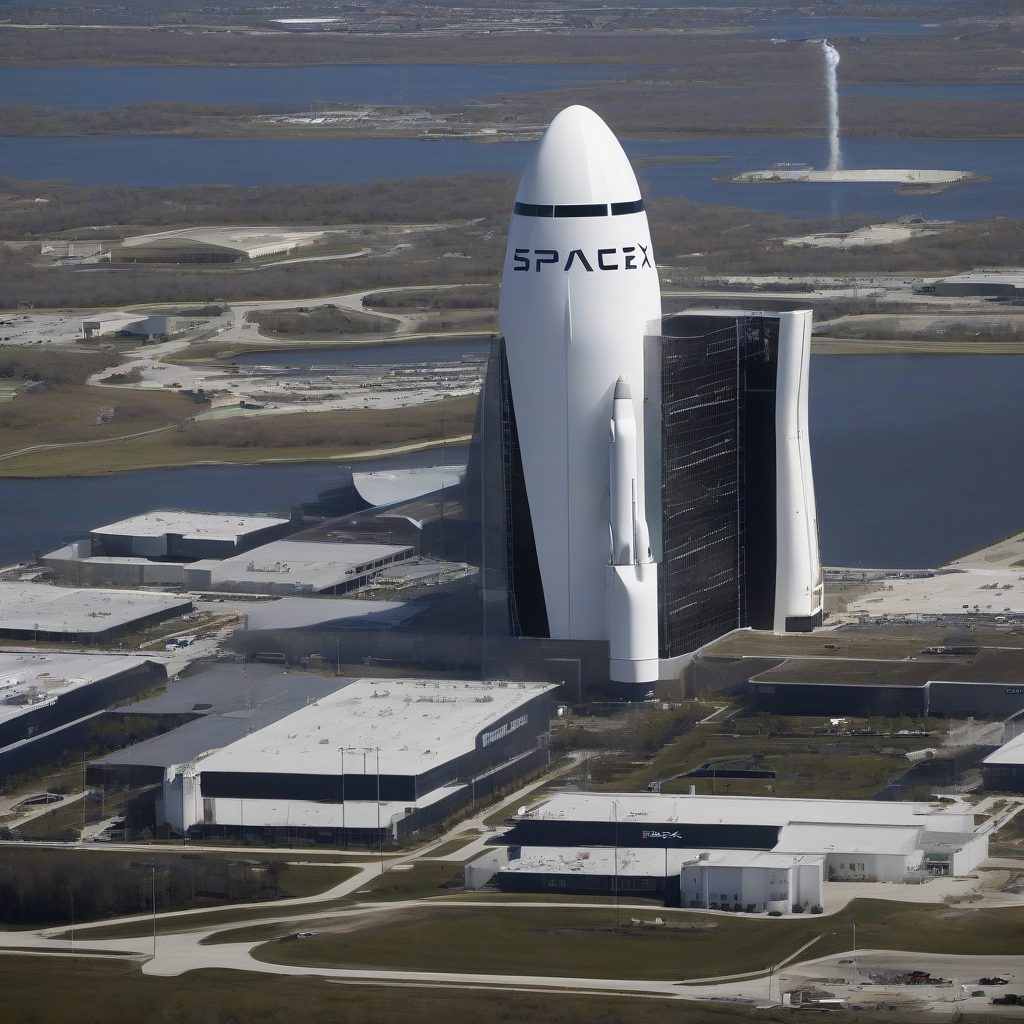
SpaceX has reported substantial financial losses, a development disclosed ahead of widespread market expectations for a potential initial public offering, according to Wall Street & Markets. The aerospace manufacturer, led by Elon Musk, continues to balance high-capital expenditure requirements for its Starlink satellite constellation and the development of the Starship launch vehicle against its revenue-generating missions.
While the company remains a central player in the global space sector, recent financial filings highlight the heavy costs associated with its ambitious launch cadences. The disclosure comes as investors and analysts closely monitor the firm's valuation, which has historically been fueled by its dominance in commercial launch services and the rapid deployment of LEO satellites.
Financial Summary
| Metric | Status / Context |
|---|---|
| Reported Financials | Significant losses identified |
| IPO Outlook | Expected / Anticipated |
| Primary Cost Drivers | Starlink & Starship development |
Regulatory scrutiny remains a standard facet of operations for companies of this scale, particularly as they transition from private equity models to potentially public ownership. Prospective stakeholders are weighing the cost of deep-space infrastructure against the long-term utility of global satellite internet connectivity.
Why It Matters
SpaceX serves as the primary engine for the modern commercial space economy. Its financial health directly dictates the launch availability for both government and private sector payloads. Unlike legacy aerospace firms that rely on incremental hardware upgrades, SpaceX’s business model depends on rapid, iterative engineering. These reported losses signal that the capital-intensive nature of building a multi-planetary transport system remains the most significant barrier to profitability, even as the company maintains its technical lead over competitors in the launch services industry.
Reader Discussion & Insights