
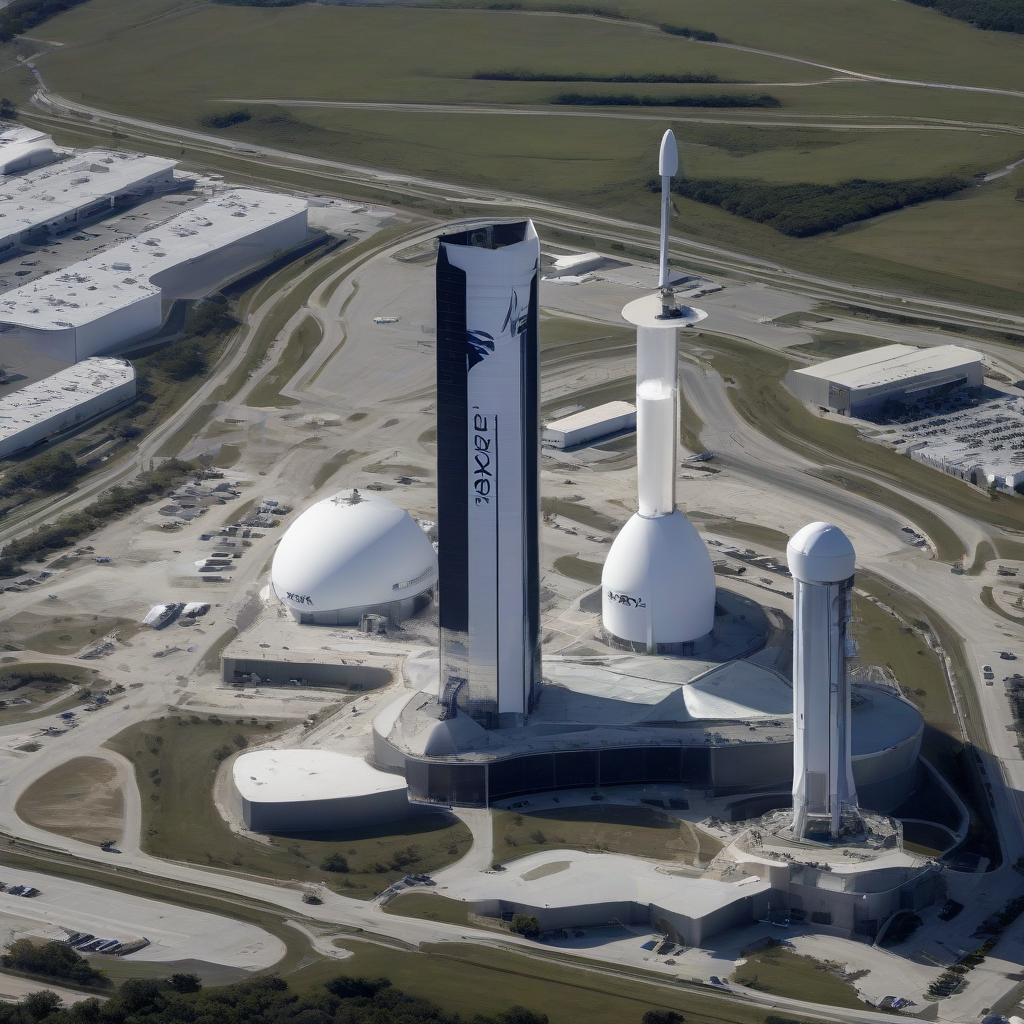
SpaceX has officially shared its first set of quarterly financial results since the company completed its initial public offering in June, according to NPR — Business. During the investor call, executive leadership highlighted a period of expanding revenue while acknowledging a correction in the firm's equity valuation following its market debut.
The organization is currently directing significant capital expenditures toward three primary operational pillars: internal rocket hardware engineering, the expansion of the Starlink orbital infrastructure, and proprietary artificial intelligence development. These investments reflect a strategic shift toward maintaining long-term technical superiority as the firm adapts to the regulatory and transparency requirements mandated by its new status as a publicly traded entity under U.S. Securities and Exchange Commission (SEC) guidelines.
Financial and Operational Focus Areas
| Operational Pillar | Focus Area | Strategic Intent |
|---|---|---|
| Rocket Development | Hardware Engineering | Performance Enhancement |
| Starlink Network | Satellite Constellation | Infrastructure Scaling |
| AI Development | Machine Learning | Internal Automation |
While the company did not provide specific guidance for the next fiscal year, the narrative from leadership underscores a commitment to reinvesting current earnings into heavy-lift capability and global low-latency internet coverage. Analysts observing the aerospace sector note that these expenditures are essential for capturing larger government defense contracts and commercial launch demand.
Why It Matters
The transition from a private enterprise to a public company creates a tension between the long-term, high-risk capital requirements of deep-space exploration and the short-term performance expectations of public market investors. By focusing on AI and satellite connectivity, SpaceX is attempting to diversify its revenue beyond launch services, effectively positioning itself as a vertically integrated data and logistics provider. This strategy could set a precedent for how aerospace manufacturers maintain high valuation multiples in a climate where investors increasingly demand tangible fiscal discipline alongside ambitious engineering milestones.
Reader Discussion & Insights