
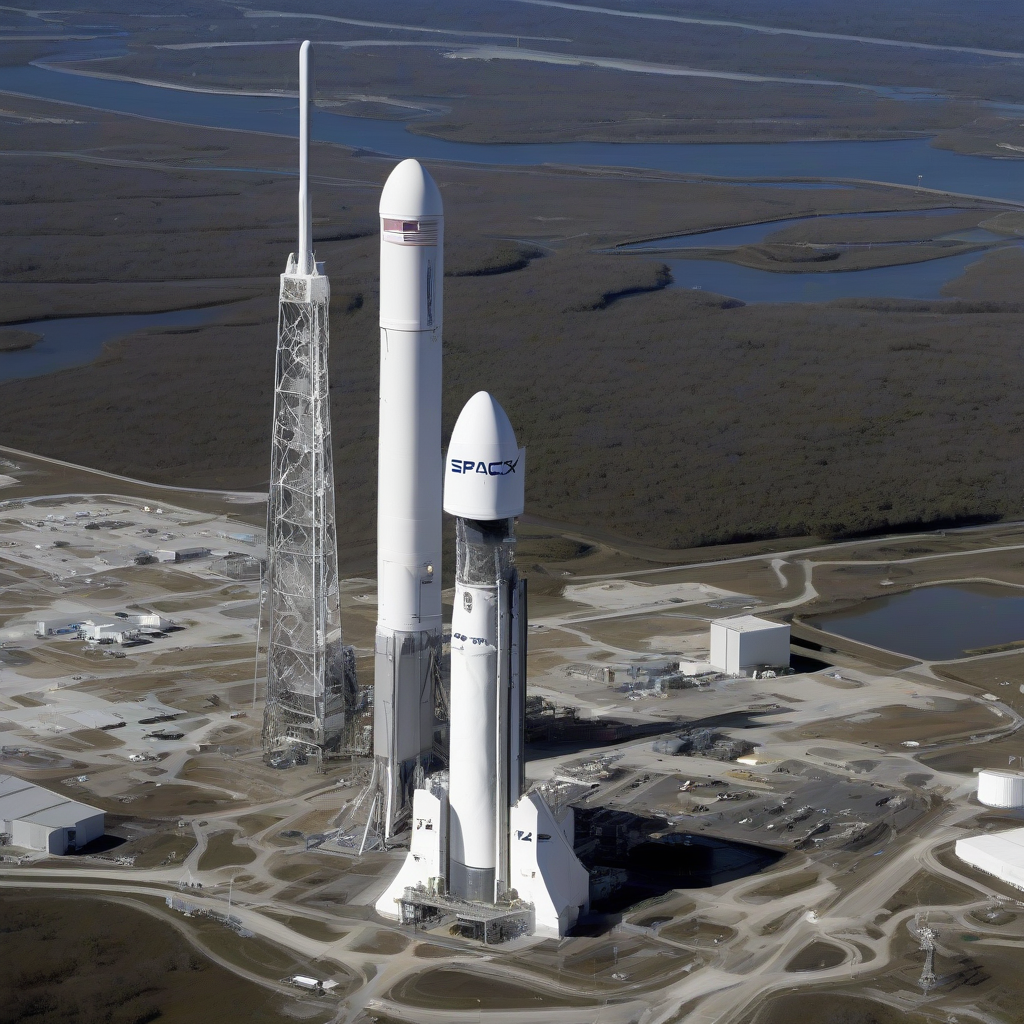
SpaceX achieved a significant financial milestone in the second quarter, recording a 92% rise in revenue, according to Financial Times. The performance highlights a period of accelerated growth for the aerospace manufacturer, as the firm continues to scale its launch operations and expand its satellite communications network.
The revenue figures, which surpassed prevailing market expectations, signal a shift in the company’s trajectory as it moves to solidify its position in the commercial space sector. While SpaceX remains a private entity, the release of these financial details offers a rare look into the capital-intensive nature of its operations and the high volume of recurring revenue generated by its primary business segments.
Financial Performance Overview
| Metric | Growth / Result |
|---|---|
| Revenue Growth | 92% |
| Period | Second Quarter |
| Performance vs Expectations | Outperformed |
Historically, SpaceX has maintained high operational costs due to the R&D requirements for the Starship program and the ongoing deployment of Starlink satellites. This latest earnings disclosure, as reported by Financial Times, suggests that the revenue generated from government contracts and commercial satellite deployment is successfully offsetting these heavy expenditures.
Why It Matters
This growth confirms that the launch services market has transitioned from an experimental phase to a mature, high-demand commercial utility. For the broader aerospace industry, SpaceX’s revenue expansion exerts immense pressure on legacy defense contractors and state-run space agencies, who must now compete with a leaner, private-sector pricing model. Furthermore, this financial momentum is likely to accelerate private equity interest in the space sector, potentially leading to increased competition for orbit slots and ground station infrastructure. The ability to sustain such high growth rates will be the primary indicator for future market dominance in orbital logistics.
Regulatory scrutiny from bodies like the FAA remains a backdrop to this growth, as flight cadence increases. However, the financial independence demonstrated in this report suggests the company is well-positioned to maintain its current trajectory of expansion without immediate dependency on external capital markets.
Reader Discussion & Insights