
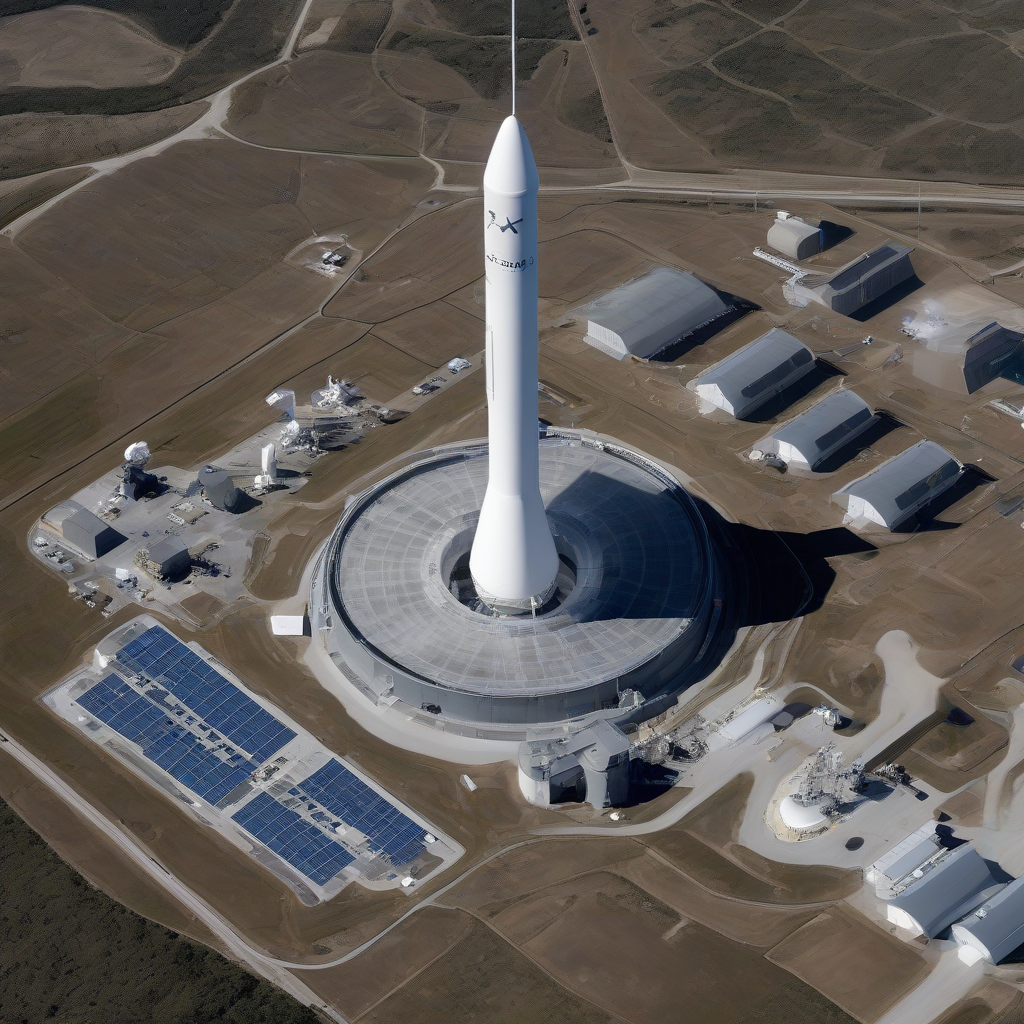
SpaceX intends to execute the 14th test flight of its Starship megarocket before the end of August, according to Space.com. During the company's inaugural quarterly earnings call on August 4, CEO Elon Musk confirmed that the mission is subject to necessary regulatory approval. The objective for Flight 14 includes the first-ever attempt to capture the 171-foot-tall (52 meters) upper-stage 'Ship' using the launch tower's mechanical arms, a procedure known as a tower catch.
This upcoming mission follows the successful completion of Flight 13, which concluded on July 24 with a soft splashdown in the Indian Ocean off the coast of Western Australia. Musk noted that the heat shield performance during the Flight 13 suborbital transit was satisfactory, characterizing the thermal protection challenges as effectively resolved. While SpaceX has previously performed successful tower catches using the Super Heavy booster on three separate occasions, capturing the upper-stage Ship would mark a new milestone in the vehicle's rapid reusability development.
Furthermore, Flight 14 is slated to carry a payload of V3 Starlink satellites. While the previous mission transported 20 units into suborbital space, the upcoming flight aims to deploy the satellites directly into an operational orbit.
| Feature | Specification / Status |
|---|---|
| Test Flight Number | 14 |
| Target Window | August 2024 |
| Upper Stage Height | 171 feet (52 meters) |
| Previous Flight Date | July 24 (Flight 13) |
| Previous Payload | 20 Starlink V3 satellites |
SpaceX transitioned from a private entity to a public company on June 12, following an initial public offering that generated $86 billion and established a total market valuation of $1.77 trillion. As a result, the company is now mandated to disclose financial performance on a quarterly basis. The Q2 results, presented during the recent call, indicate improved financial metrics compared to the previous fiscal year.
Why It Matters
The transition of SpaceX into a publicly traded entity requiring quarterly SEC-compliant disclosures marks a significant evolution in the aerospace sector. By institutionalizing transparency for an organization previously defined by private-venture agility, the firm is setting a standard for investor relations in the space industry. Successfully demonstrating a tower catch for the upper-stage Ship is essential for achieving the full cost-reduction potential of the Starship program. If normalized, this capability could drastically lower the price-per-kilogram of orbital delivery, forcing traditional aerospace launch providers to reassess their own vehicle architecture and reusability strategies.
Reader Discussion & Insights