
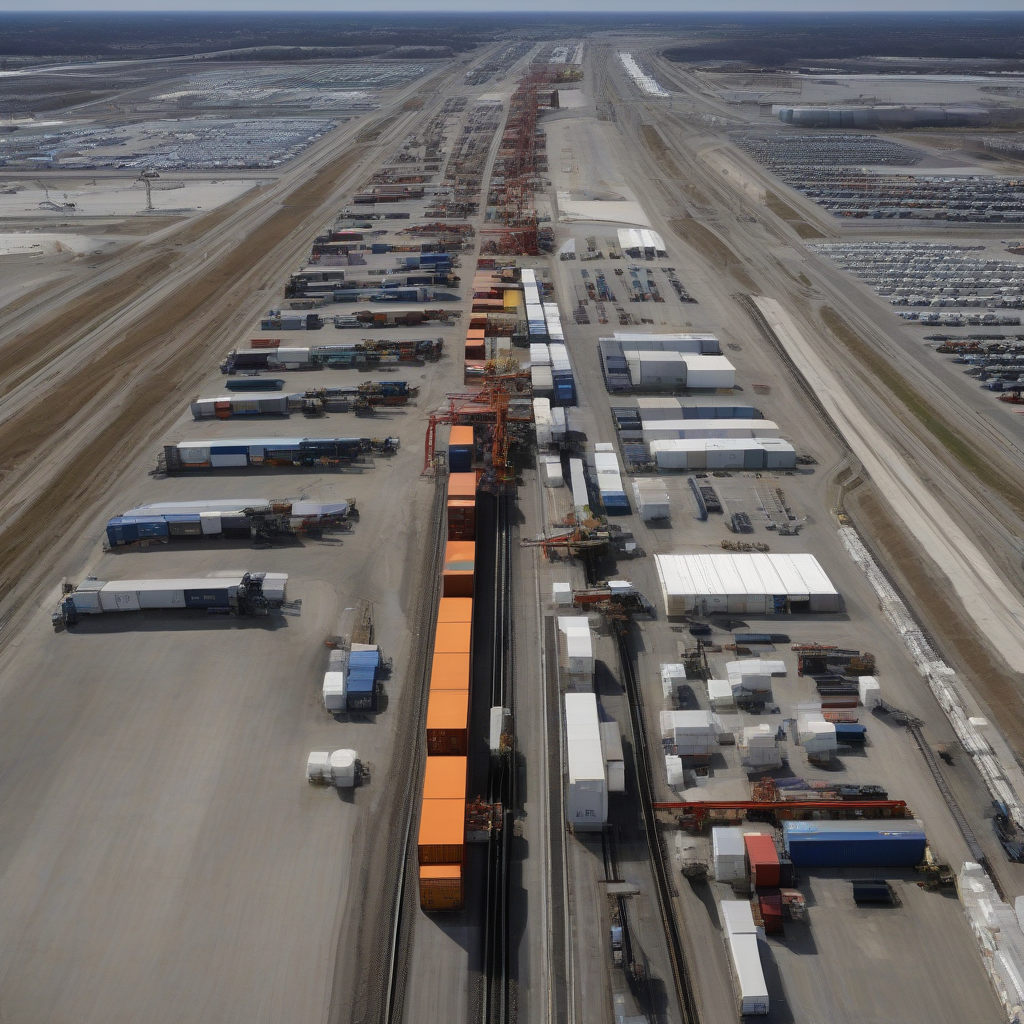

STG Logistics has officially emerged from Chapter 11 bankruptcy proceedings with a significantly improved balance sheet and a new ownership group, according to FreightWaves. The intermodal marketing firm concluded its restructuring in early July, successfully reducing its total debt burden by 90%. Control of the organization has transitioned to an investment group comprising Fortress, Fidelity, and Invesco.
Despite the improved financial position, the company faces operational friction driven by strong market demand. The firm, which manages a fleet of 15,000 containers, reported that it was unable to fulfill all service requests during the second quarter. The CEO identified the availability of drayage services—the short-haul transport segments between railheads and facilities—as the primary bottleneck preventing further volume growth. This capacity shortage remains an ongoing challenge throughout the current summer season.
According to the firm’s leadership, the inability to secure sufficient drivers is a direct result of broader industry regulatory compliance crackdowns. This tightening of drayage capacity mirrors wider trends within the trucking sector, where increased regulatory pressure has forced many operators out of the market. As a result, drayage costs have experienced an upward trajectory, aligning with the rising rates observed in the broader over-the-road (OTR) freight market.
| Metric | Specification |
|---|---|
| Debt Reduction | 90% |
| Container Fleet Size | 15,000 |
| Ownership Group | Fortress, Fidelity, Invesco |
| Restructuring Exit Date | Early July |
Rather than viewing established intermodal providers such as J.B. Hunt, Hub Group, Schneider, or Knight-Swift as its primary competition, STG Logistics views the traditional over-the-road trucking industry as its main rival. The company argues that providing integrated drayage coverage alongside rail moves creates a competitive advantage, enabling the firm to move freight from highways to rails more effectively.
Why It Matters
The transition of STG Logistics marks a notable shift in how distressed logistics firms are being recapitalized to survive in a volatile post-pandemic freight environment. By offloading 90% of its debt, the company is effectively lowering its break-even point, allowing it to compete more aggressively on pricing during periods of market flux. However, the reliance on proprietary drayage highlights a fragile link in the supply chain: until companies solve the driver retention and regulatory compliance issues currently plaguing short-haul trucking, rail-intermodal growth will remain capped by human-capital constraints rather than demand alone.
Reader Discussion & Insights