
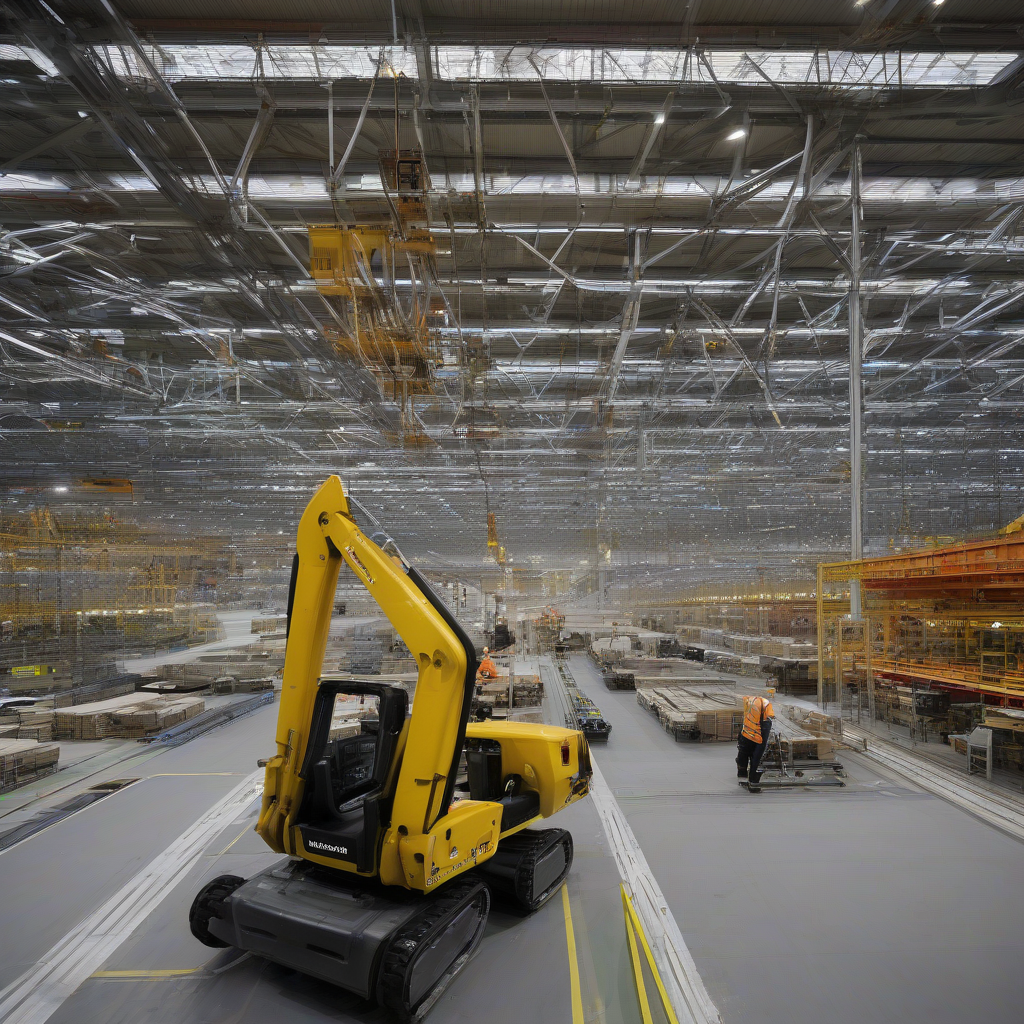

Construction group Strabag has launched a pilot project at an existing soil treatment facility in Oberhausen to evaluate the performance of electric machinery under real-world operating conditions, according to electrive.
The project marks a shift toward partially electric construction sites, integrating specialized equipment designed to reduce the carbon footprint of traditional soil processing. During the implementation phase, the company deployed a fleet consisting of electric excavators and electric road pavers. To support the increased energy demand of these machines on-site, the team utilized a mobile battery storage system, ensuring consistent power delivery for intensive construction tasks.
| Equipment Type | Deployment Status |
|---|---|
| Electric Excavators | Active |
| Electric Road Pavers | Active |
| Mobile Battery Storage | Active |
This initiative aligns with ongoing efforts in the construction industry to phase out diesel-reliant hardware in favor of electrified alternatives. By testing these assets in an operational soil treatment environment, Strabag aims to gather empirical data on battery efficiency, charging cycles, and overall machine reliability during multi-shift construction cycles.
Why It Matters
The construction sector is currently under intense pressure to lower its Scope 1 and Scope 2 emissions, which are heavily influenced by heavy machinery operations. Integrating mobile battery storage systems is a critical technical advancement, as it bypasses the need for costly grid upgrades on temporary or remote job sites. If successful, this model could be standardized across urban infrastructure projects where noise and emission regulations are increasingly strict. The transition to electric equipment is not merely an environmental choice but a risk-mitigation strategy against volatile diesel fuel prices and tightening environmental policy regulations.
Reader Discussion & Insights