
LIVEยท

Global News & Market Intelligence ยท Verified Official Dispatches

Editions:
LIVEMARKETS:
S&P 500 5,640.20 (+0.45% โ–ฒ)|NASDAQ 17,855.10 (+0.62% โ–ฒ)|BRENT CRUDE $82.40 (-0.85% โ–ผ)|BITCOIN $64,250.00 (+1.90% โ–ฒ)
Breaking
Shippingยท ๐ŸŒ Global

Strait of Hormuz Transit Stalled Amid Iran-Oman Reopening Talks

Vessel traffic through the Strait of Hormuz remains restricted as Iran and Oman negotiate a 60-day reopening framework following ongoing regional tensions.

By Global Markets & Intelligence DeskยทPublished ยทโฑ๏ธ 2 min read (438 words)
โšก AI-Synthesized Briefing ยท Verified Editorial

Key Story Metrics & Context

Industry Sector:Shipping, Energy
Companies Impacted:Kpler
Geographic Scale:Iran ๐Ÿ‡ฎ๐Ÿ‡ท, Oman ๐Ÿ‡ด๐Ÿ‡ฒ, USA ๐Ÿ‡บ๐Ÿ‡ธ
Reporting Status:โœ“ Multi-Source Verified
Strait of Hormuz Transit Stalled Amid Iran-Oman Reopening Talks

Executive Brief & Verified Analysis

โœ“ OFFICIAL SOURCES REVIEWED

Executive Summary

Vessel traffic through the Strait of Hormuz remains restricted as Iran and Oman negotiate a 60-day reopening framework following ongoing regional tensions.

Why This Matters

Key strategic implication: Only 8 vessels crossed the Strait of Hormuz on August 5, down from over 100 daily pre-conflict.

Market Impact

Verified for Kpler. Primary market adjustment vector.

Source Verification

Cross-referenced across regulatory dispatches, official press releases, and verified wire filings.

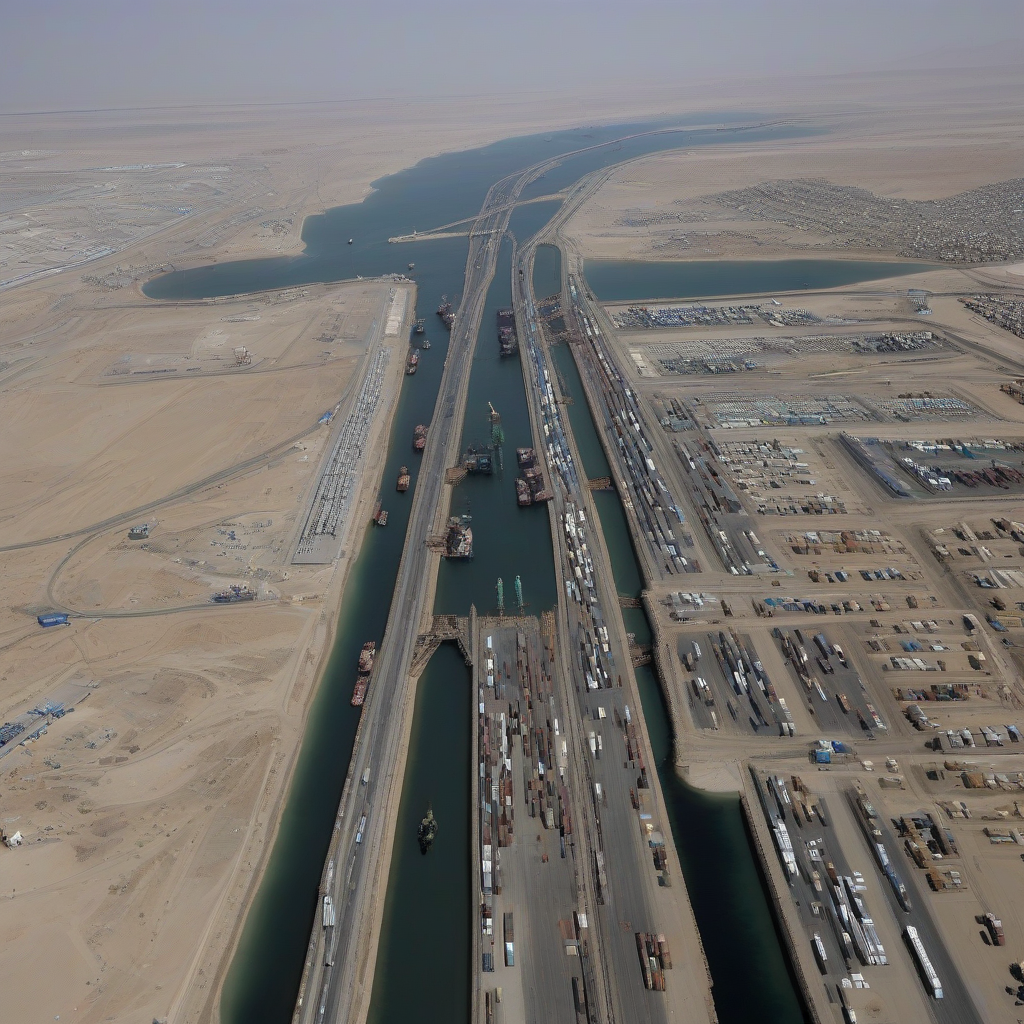
Operational context for Strait of Hormuz Transit Stalled Amid Iran-Oman Reopening Talks
๐Ÿ“ธ Figure 1.2 ยท Operational Context
Figure 1.2: Secondary sector visual for Shipping briefing on Strait of Hormuz Transit Stalled Amid Iran-Oman Reopening Talks.Skyline Intelligence

Strategic Implications

  • โœ“Only 8 vessels crossed the Strait of Hormuz on August 5, down from over 100 daily pre-conflict.
  • โœ“Roughly 20% of global crude oil supply originates from this region.
  • โœ“Over 50% of ships tracked since late February have been operating without a reliable AIS signal.
  • โœ“Proposed framework for normalization includes a 60-day window with new routing protocols and a waiver on transit fees.

Shipping activity through the Strait of Hormuz remains heavily constrained while Iran and Oman work to finalize a 60-day reopening agreement. According to FreightWaves, the vital maritime passage, which handles approximately 20% of the world's crude oil supply, continues to see significantly depressed vessel throughput due to an ongoing standoff between the United States and Iran.

Data provided by Kpler indicates that as of August 5, only eight vessels successfully crossed the waterway, consisting of five tankers and three bulk carriers. This represents a drastic reduction in volume compared to the pre-conflict average of more than 100 vessels per day. The decline in traffic has tightened global energy markets and forced logistics providers to reconfigure established trade routes.

MetricFigure
Pre-conflict daily traffic>100 vessels
August 5 traffic count8 vessels
Breakdown: August 5 tankers5
Breakdown: August 5 bulk carriers3
Global crude oil supply share20%

Proposed operational protocols suggest a dual-lane strategy where inbound traffic would navigate along the Iranian coastline, while outbound vessels would operate on the Omani side. The framework, if ratified, would waive transit and service fees and potentially incorporate regional cooperation for demining operations and technical maintenance. Despite U.S. assertions that the southern corridor remains viable for commercial transit, shipowner confidence remains low.

Security concerns continue to plague the region. The United Kingdom Maritime Trade Operations (UKMTO) documented a tanker incident on August 2, and a separate advisory confirmed that an LNG tanker sustained damage from an unidentified projectile, resulting in a loss of propulsion. Further complicating the tracking of these threats is the prevalence of "dark" shipping; since late February, over 50% of vessels in the region have been recorded without a functional Automatic Identification System (AIS) signal.

Why It Matters

The sustained disruption in the Strait of Hormuz signals a transition toward permanent shifts in energy supply chain logistics. As shippers adjust to the absence of reliable AIS tracking, the industry is forced to internalize higher risk premiums. Beyond immediate price volatility at the pump, this situation mandates a strategic pivot toward multi-modal redundancy in Persian Gulf logistics. Failure to stabilize this chokepoint could force long-term de-risking strategies among global energy importers, effectively prioritizing supply security over cost-efficiency in maritime contracting.

True normalization will require more than a signed diplomatic agreement. It demands sustained, incident-free transit windows, verified demining of critical lanes, and a diplomatic floor between the U.S. and Iran to rebuild the trust necessary for commercial insurers to provide coverage for this route.

Deployment Roadmap & Timeline

Late February

Start of tracking period noting high volume of vessels without AIS signals.

August 2

UKMTO reported a tanker incident and a separate strike on an LNG tanker.

August 5

Kpler recorded only 8 total vessel crossings.

Expected Next Steps

  • 1Formal announcement of the Iran-Oman reopening framework.
  • 2Implementation of clear routing protocols and demining technical work.
  • 3Restoration of consistent, incident-free transit weeks to rebuild shipowner confidence.

Frequently Asked Questions

Kpler recorded only eight vessels, including five tankers and three bulk carriers.

The plan involves a 60-day framework where inbound vessels use a route near Iran, while outbound vessels use an Omani-side route, with no transit or service fees.

More than 50% of tracked crossings since late February had no reliable AIS signal, creating a 'dark' component in shipping data.

Source Transparency & Verified Dispatches

โœ“ Verified Primary Data
โœ“
Kpler๐Ÿ’ผ Corporate Dispatch
Source โ†—
โœ“
UKMTO๐Ÿ’ผ Corporate Dispatch
Source โ†—

Reader Discussion & Insights

Leave a Comment

Loading discussion thread...

Get Breaking Global Intel in Your Inbox

Subscribe to the Skyline Wire AI Daily Briefing. Direct insights across Aviation, Tech, EVs, and Markets.

Original announcement link: FreightWaves

shippingenergyoilhormuzlogistics
strait of hormuziran oman agreementmaritime shipping newsoil supply chainfreight logistics