
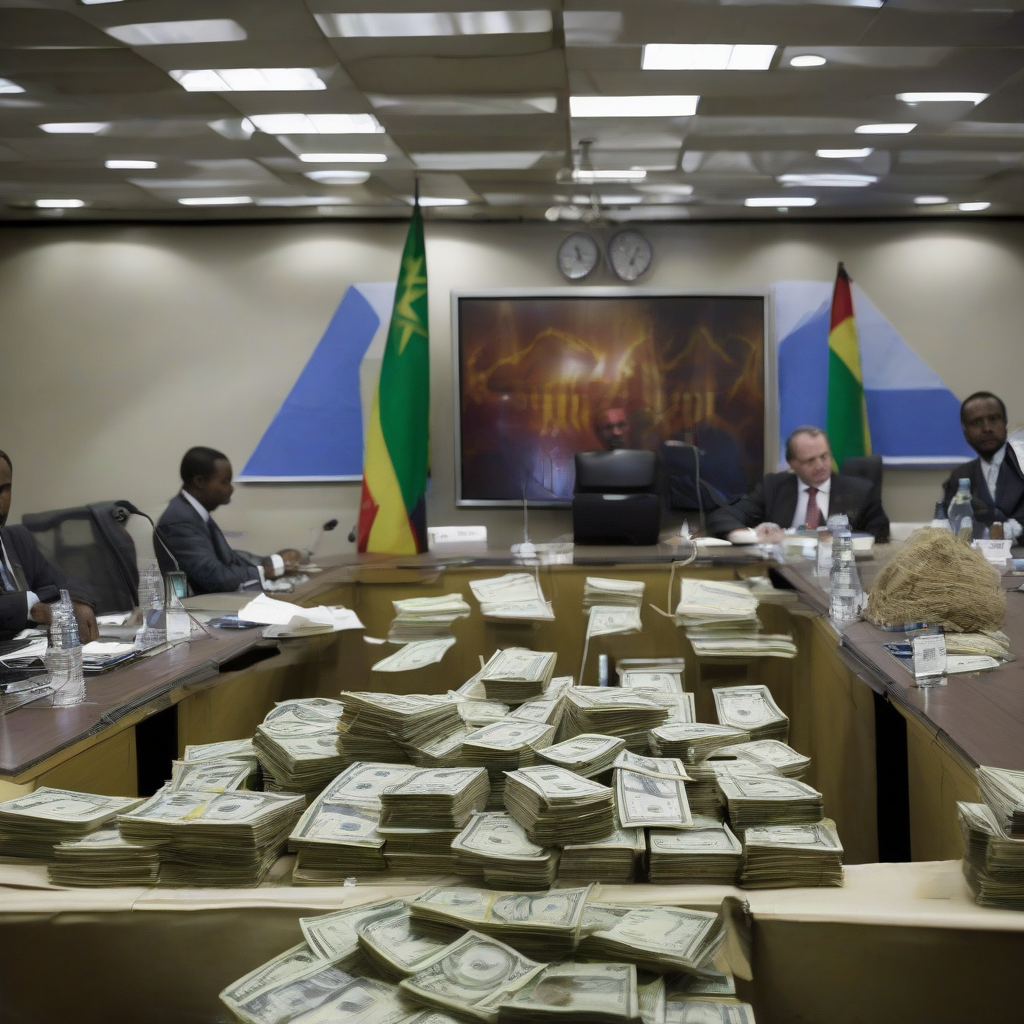

New research assessing anti-poverty interventions in Ethiopia suggests that while direct financial assistance effectively supports low-income households, the measurable impact of therapeutic psychological support is less consistent, according to NPR — World.
The study evaluated various methodologies aimed at poverty alleviation within the region, specifically examining whether economic capital or behavioral interventions provide a more sustainable path to financial stability. Researchers monitored outcomes across several cohorts to determine if providing liquid assets—cash—yielded more significant socioeconomic improvements than professional therapy sessions or combined approaches.
Intervention Efficacy Comparison
| Intervention Type | Observed Outcome | Notes |
|---|---|---|
| Cash Transfers | Positive impact on income | Direct support helps |
| Therapy | Less clear impact | Efficacy is uncertain |
While cash transfers demonstrate a tangible increase in household liquidity, the psychological interventions did not produce uniform results across the participants observed during the study period. Policy experts note that the distinction between these two interventions is critical for international development agencies allocating limited resources for aid programs in East Africa.
Why It Matters
This research highlights a growing trend in development economics toward evidence-based policy implementation. By separating the outcomes of fiscal aid from social service-oriented interventions, international organizations can better optimize the allocation of development capital. Understanding the specific utility of cash transfers versus psychosocial support is essential for scaling programs that require high fiscal efficiency. If policymakers rely solely on aggregated aid models without granular data on intervention success, they risk misallocating budgets toward programs that may not deliver measurable poverty reduction in volatile economic environments.
Reader Discussion & Insights