
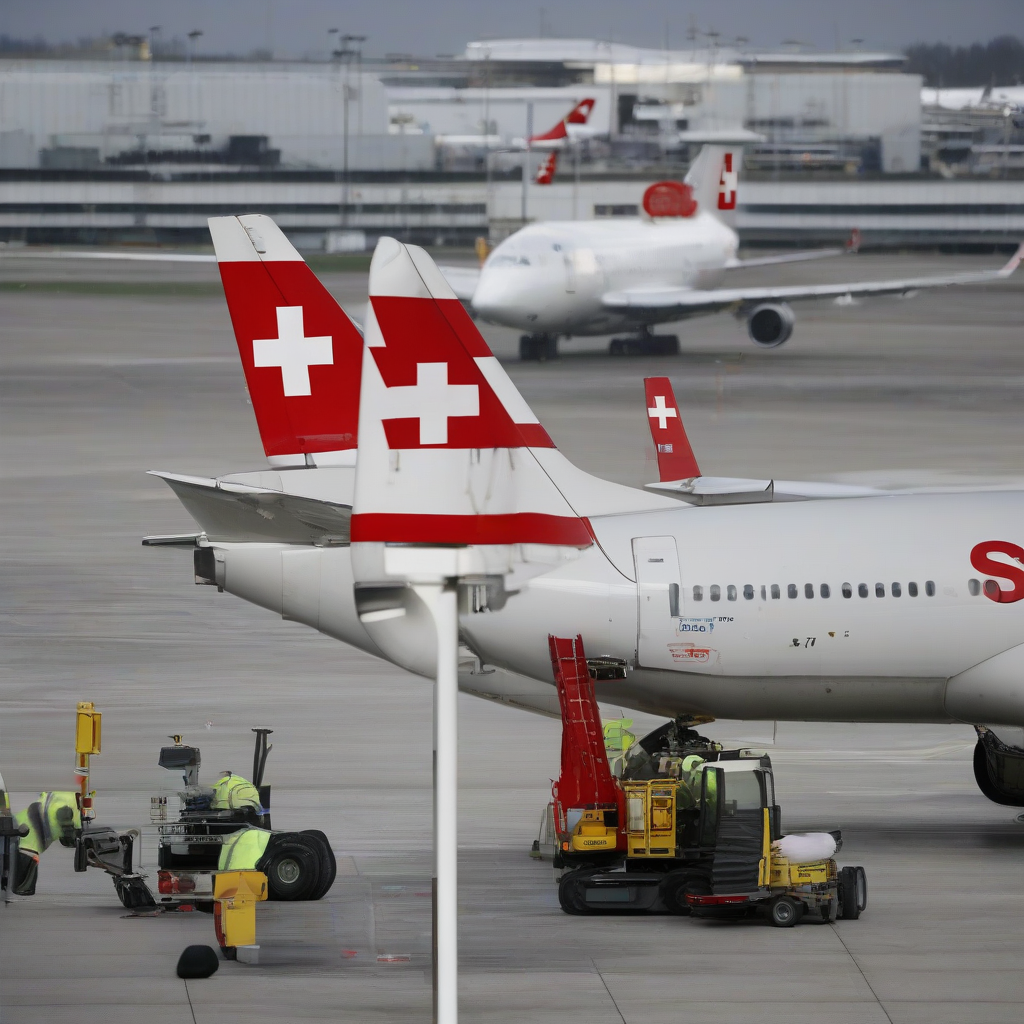
Swiss International Air Lines (SWISS) recorded an Adjusted EBIT of CHF 189.3 million for the first half of 2026, a 3 percent decrease from the CHF 195.1 million reported during the same period in 2025, according to Aviation Source News. Despite the decline in earnings, total revenues for the carrier rose 3.2 percent to CHF 2.77 billion. The financial results were primarily impacted by a sharp escalation in fuel prices following the outbreak of the Iran war, with jet fuel costs surging by approximately 50 percent between April and June.
Operational performance metrics showed mixed results for the six-month period. While the airline transported 8.5 million passengers—a 0.6 percent increase—it simultaneously operated 67,400 services, reflecting a 4.1 percent decline in total flights. Capacity, as measured by available seat-kilometres, contracted by 0.8 percent, though traffic volume in revenue passenger-kilometres climbed 1.9 percent, leading to a 2.2 percentage point improvement in systemwide seat load factor.
| Metric | H1 2026 Result | Change (vs 2025) |
|---|---|---|
| Adjusted EBIT | CHF 189.3 million | -3.0% |
| Total Revenue | CHF 2.77 billion | +3.2% |
| Passenger Count | 8.5 million | +0.6% |
| Total Services | 67,400 | -4.1% |
| Seat Load Factor | - | +2.2 percentage points |
Maintenance costs associated with short-haul aircraft engine issues further constrained the bottom line. CFO Dennis Weber noted that aggressive internal efficiency measures and cost-saving initiatives implemented earlier in the year were necessary to prevent a more substantial earnings decline. Operational stability remained relatively high, with punctuality recorded at 72.4 percent and schedule stability at 96.7 percent.
Why It Matters
SWISS’s financial performance highlights the heightened sensitivity of European legacy carriers to regional geopolitical instability. The sharp 50 percent spike in fuel costs underscores a vulnerability to supply-side shocks that go beyond standard market fluctuation. Furthermore, the reliance on internal cost-cutting measures to stabilize earnings suggests that airlines are currently struggling to pass soaring operating expenses onto consumers without eroding demand. As the industry faces ongoing engine maintenance backlogs, future profitability will likely hinge on the ability to manage supply chain disruptions while maintaining premium service standards.
Reader Discussion & Insights