
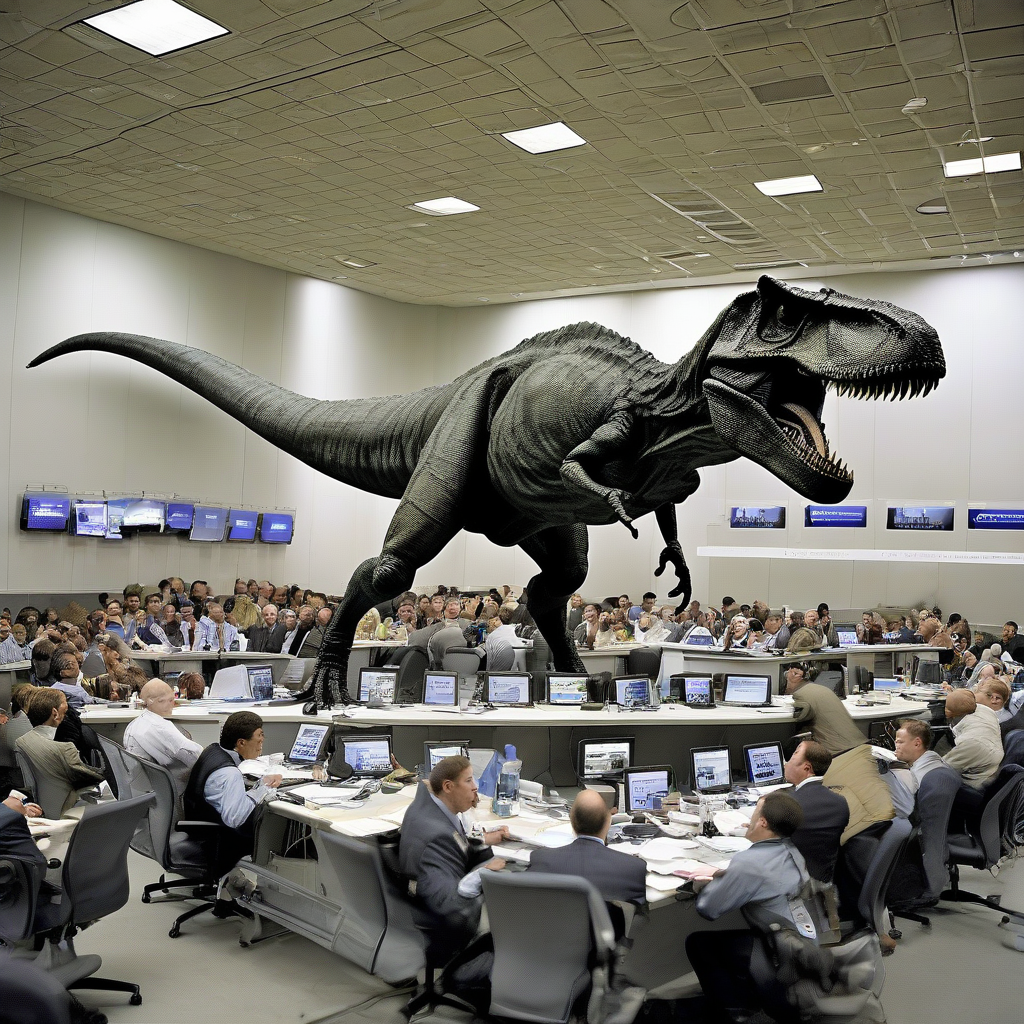

The annual T-Rex World Championship, a recurring event held in Washington, continues to draw participants from across the United States who gather to compete in a specialized sprint while dressed in inflatable dinosaur costumes. According to ABC News — Top Stories, the event functions as a unique competitive gathering where entrants race to secure a giant trophy.
Event Overview
While the event has gained national attention for its unusual premise, it remains a serious pursuit for those traveling to the nation's capital. Competitors must manage the physical constraints of their inflatable suits while navigating the race course, marking a distinct intersection of pop-culture phenomenon and competitive athletics. The championship draws a diverse group of individuals who share a common goal of reaching the finish line ahead of their peers.
| Feature | Details |
|---|---|
| Event Type | Annual Racing Championship |
| Location | Washington |
| Primary Gear | Inflatable dinosaur costume |
| Objective | Competition for a giant trophy |
Official Context
While the Department of Transportation (DOT) does not regulate these specific recreational events, large public gatherings in the District of Columbia frequently interface with local transit planning and public space management. Organizers must coordinate with local municipal authorities to ensure that spectator flow and participant safety are maintained during the festivities.
Why It Matters
Events such as the T-Rex World Championship represent the evolving nature of niche tourism and local event economies. By attracting visitors from across the U.S., such gatherings contribute to the hospitality and travel sectors within Washington. From a broader industry perspective, these localized activities demonstrate how destination marketing can utilize unconventional, high-visibility events to increase foot traffic and engage demographics that might otherwise be overlooked by traditional tourism campaigns. Sustained growth in this sector may lead to increased collaboration between event organizers and municipal transit departments to manage infrastructure impacts.
Reader Discussion & Insights