
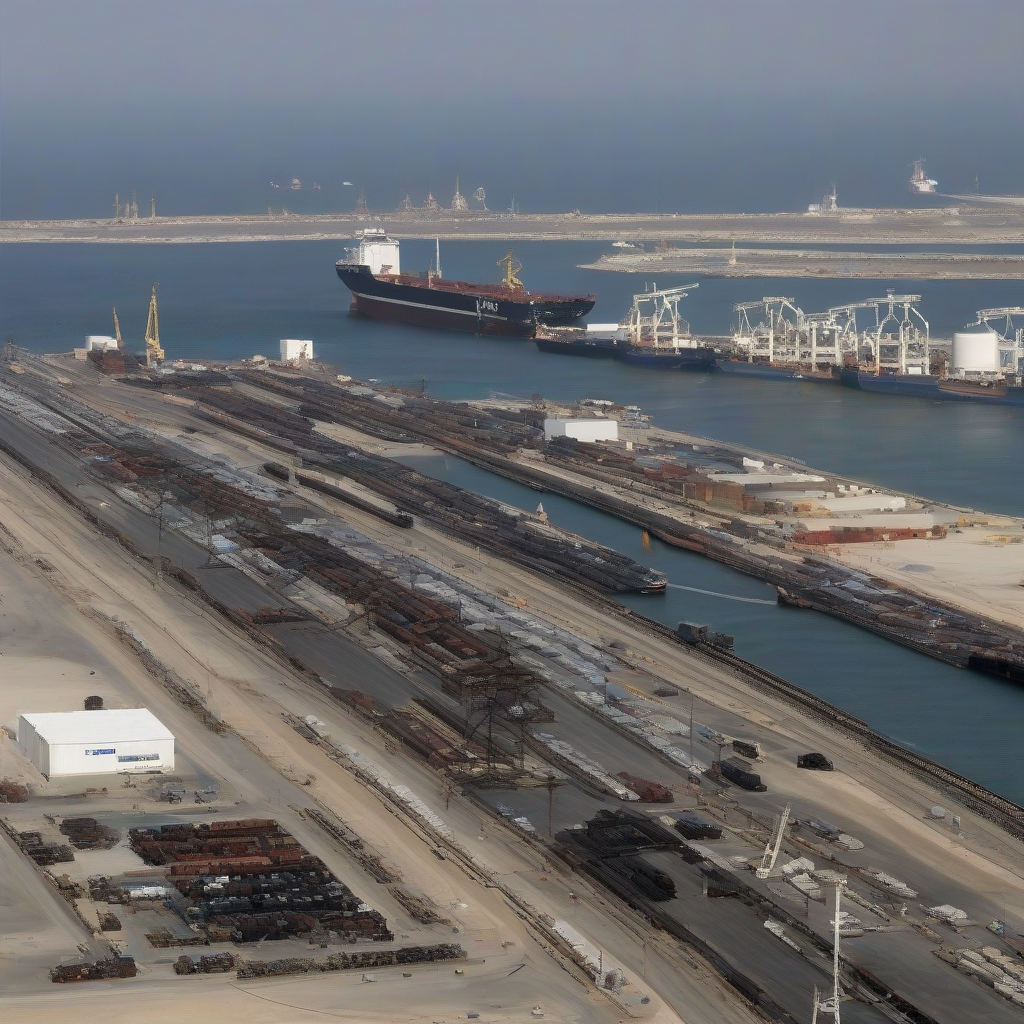

A commercial tanker was forced to abandon its planned route through the Strait of Hormuz following reports of two distinct explosions in the vicinity, according to gCaptain. Maritime security firm Ambrey confirmed the incident occurred 37 nautical miles (NM) southwest of Bandar-e-Jask, Iran, marking a significant escalation in operational hazards within the critical waterway.
This incident takes place against a backdrop of prolonged geopolitical instability, approximately six months into the conflict involving the United States, Israel, and Iran. The ongoing tension continues to disrupt maritime logistics, forcing vessel operators to re-evaluate risk profiles and transit protocols near the Iranian coast.
Incident Data Summary
| Parameter | Detail |
|---|---|
| Incident Type | Explosions reported near transit route |
| Proximity to Bandar-e-Jask | 37 NM southwest |
| Current Status | Vessel aborted transit |
| Regional Context | 6 months into US/Israel/Iran conflict |
Lloyd’s List Intelligence has characterized the current maritime security environment in the region as "predictably unpredictable," highlighting the difficulty shipping firms face when attempting to maintain standard schedules through this vital energy chokepoint.
Why It Matters
The Strait of Hormuz remains the world’s most important oil chokepoint, with roughly 20-30% of global petroleum consumption passing through these waters daily. For logistics and energy firms, the primary impact of such incidents is not merely immediate vessel diversion, but a long-term inflation of insurance premiums and War Risk Area surcharges. Furthermore, the volatility forces a shift toward longer, more expensive shipping routes, effectively tightening global supply chains and placing upward pressure on energy commodities as carriers prioritize crew safety over cost-efficient passage.
Reader Discussion & Insights