
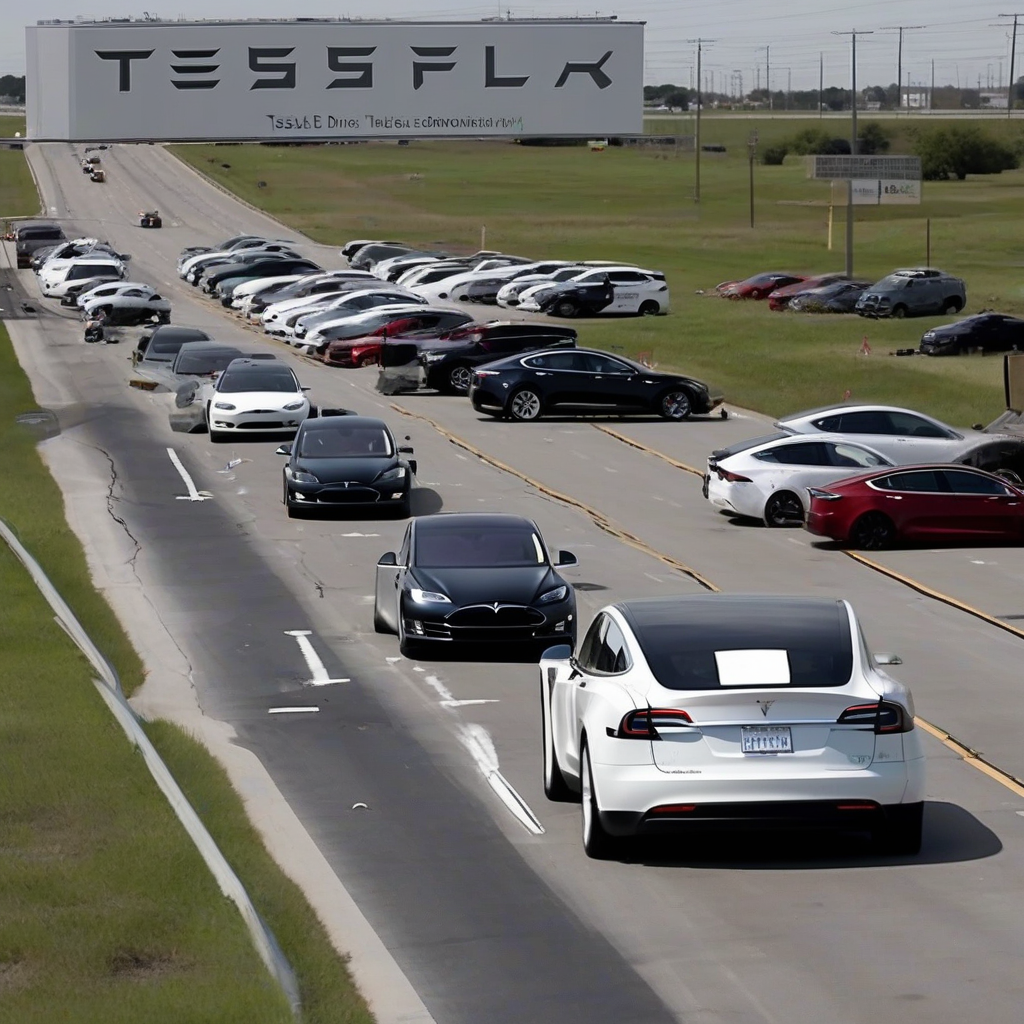
A high-profile incident involving a Tesla vehicle has brought the company’s unaccompanied test-drive model under intense scrutiny. According to Tesla, its current consumer engagement strategy frequently utilizes unmonitored test drives, allowing potential buyers to evaluate vehicles without direct supervision from sales staff. This operational approach faced a significant challenge recently when a demonstration vehicle collided with a hair salon, resulting in a structural fire that damaged the storefront and interior.
The incident has ignited a wider debate regarding the safety protocols governing autonomous and semi-autonomous vehicle testing in retail environments. While Tesla maintains that its self-driving features are intended to assist drivers rather than replace human oversight, the removal of the traditional 'chaperone' or sales representative during these demonstrations creates a scenario where the operator is solely responsible for the vehicle's navigation in public spaces.
Incident Summary and Operational Data
| Feature | Details |
|---|---|
| Incident Type | Retail Facility Collision |
| Involvement | Unmonitored Test Drive Vehicle |
| Primary Damage | Salon Structural/Fire Damage |
| Regulatory Status | Active Review |
Official oversight remains a point of interest for various regulatory bodies, including the National Highway Traffic Safety Administration (NHTSA), which monitors autonomous testing standards. While specific incident reports are periodically filed, the company’s reliance on consumer-led test drives suggests a high degree of confidence in the user-interface design. However, investigators are currently looking into whether the lack of a secondary occupant contributed to the severity of the salon incident.
Why It Matters
The event highlights a friction point between Tesla’s efficiency-driven retail strategy and the physical risks inherent in autonomous system testing. By decentralizing the supervision of vehicles, manufacturers can scale test operations significantly; however, this creates a liability gap in urban centers. As more automotive manufacturers adopt digital-first sales processes, the industry must weigh the cost-benefit of unsupervised customer interaction against the potential for high-impact infrastructure damage and the resulting regulatory scrutiny that could slow the broader integration of autonomous technologies.
Reader Discussion & Insights