
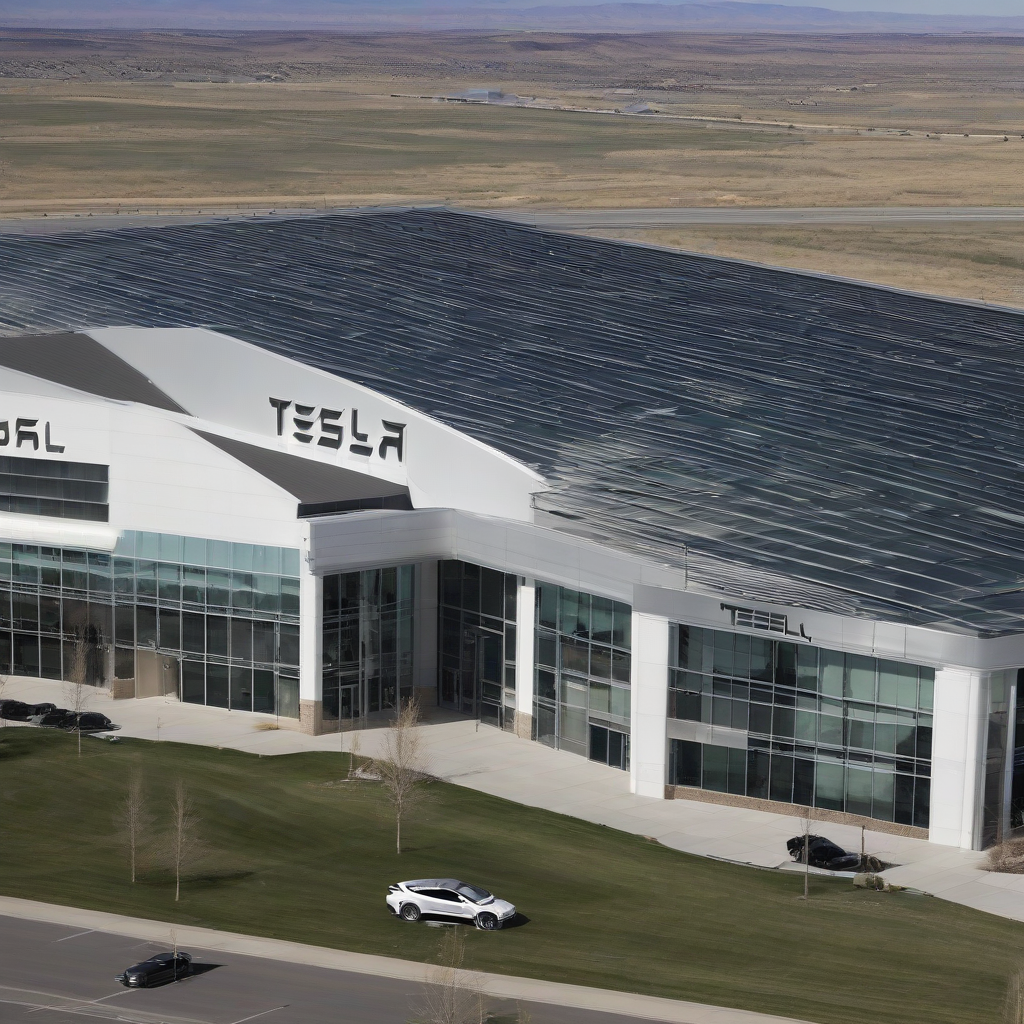

A motorist in Parker, Colorado, was stopped by local law enforcement after their Tesla vehicle was clocked exceeding the posted speed limit. According to Electrek, the driver attempted to deflect responsibility for the traffic violation by asserting that the vehicle's Full Self-Driving (FSD) system was in control at the time of the incident.
The vehicle was recorded traveling at 64 mph in a zone where the legal limit was 45 mph. Despite the driver's claims, traffic regulations generally hold the operator accountable for the conduct of their vehicle, regardless of active driver-assistance technologies.
| Metric | Value |
|---|---|
| Recorded Speed | 64 mph |
| Posted Speed Limit | 45 mph |
| Location | Parker, Colorado |
| System Cited | Full Self-Driving (FSD) |
While Tesla offers advanced driver-assistance features, the company’s own documentation and standard industry practice require human oversight at all times. Tesla, which operates under the supervision of the National Highway Traffic Safety Administration (NHTSA) regarding its autonomous features, has consistently maintained that its software does not render a vehicle fully autonomous. The system currently functions as a SAE Level 2 assistance feature, necessitating constant driver monitoring.
Why It Matters
This incident highlights a growing tension between consumer perception of "Full Self-Driving" branding and the reality of Level 2 automation limitations. When drivers equate software assistance with full vehicle autonomy, they may exhibit reduced vigilance, leading to safety risks. For regulators, the challenge remains in balancing the promotion of innovation with the necessity of clear consumer warnings. Until software capabilities align with the marketing terminology, liability disputes between vehicle owners, manufacturers, and traffic enforcement agencies are likely to increase in frequency and complexity, potentially prompting stricter regulatory oversight on software nomenclature.
Reader Discussion & Insights