
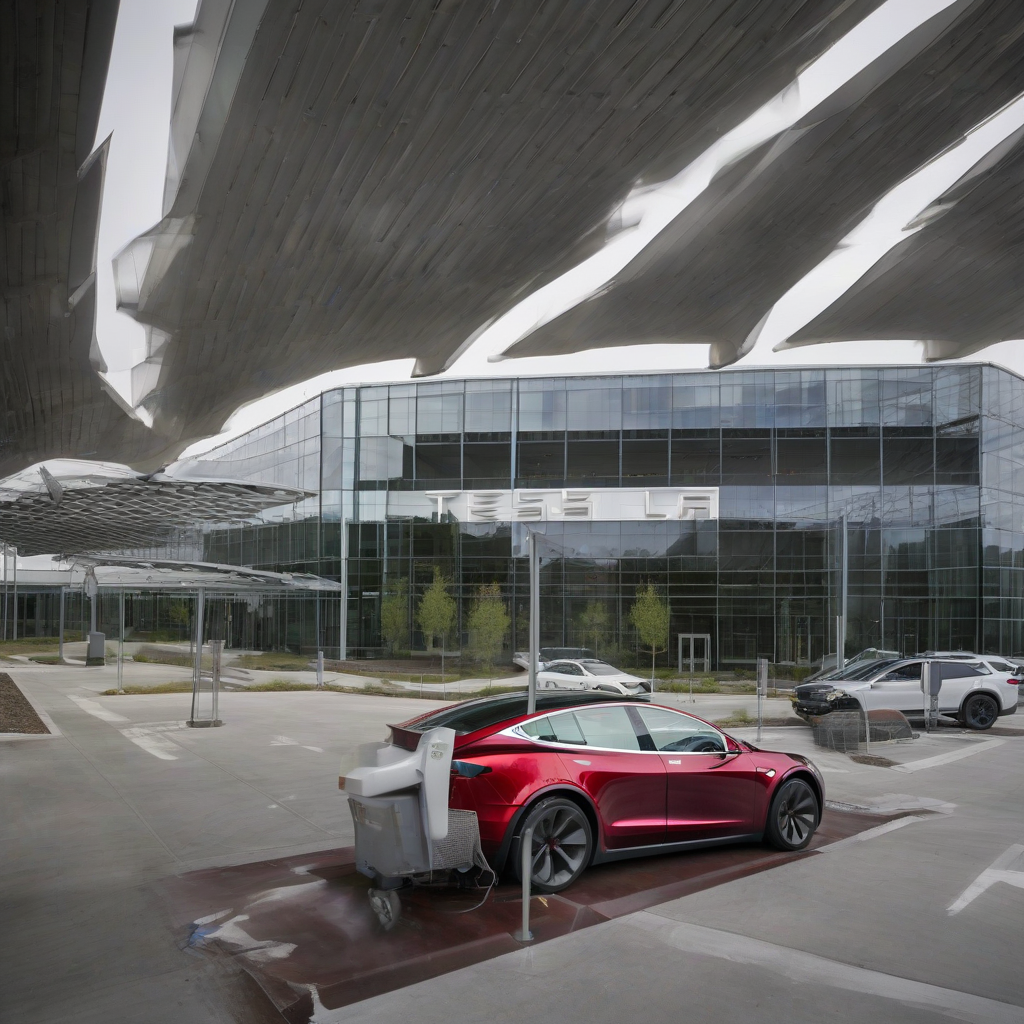
Tesla continues to generate a significant portion of its total revenue from its operations and sales in China, according to Tesla. As the company expands its global manufacturing footprint, the role of the Chinese market remains central to its financial health and production volume.
While the company has successfully integrated its Shanghai-based production facilities to serve both domestic and export demand, market observers are increasingly examining the concentration risk associated with this strategy. Financial analysts point to the competitive pressure within the Chinese electric vehicle segment as a potential variable that could impact future profit margins.
According to Tesla, the firm maintains a focus on optimizing its supply chain and local manufacturing output to meet the specific requirements of the Chinese automotive market. The company regularly reports on these operations through mandatory disclosures provided to the U.S. Securities and Exchange Commission (SEC).
| Region | Primary Role | Strategic Importance |
|---|---|---|
| China | Manufacturing & Sales | High (Volume Leader) |
| United States | R&D & Manufacturing | High (Domestic Market) |
| Europe | Sales & Local Assembly | Medium (Growth) |
Why It Matters
The heavy reliance on a single international market presents a complex risk profile for shareholders. As domestic Chinese automakers increase their technological capabilities and pricing aggressiveness, Tesla must balance its market share aspirations against potential geopolitical volatility and regulatory shifts. Investors are closely monitoring how the firm intends to diversify its revenue streams to mitigate a singular dependency on Chinese consumer demand. The ability to maintain brand premium while navigating intense local competition will likely define the firm's growth trajectory in the upcoming fiscal quarters.
Reader Discussion & Insights