LIVEยท

Global News & Market Intelligence ยท Verified Official Dispatches

Editions:
LIVEMARKETS:
S&P 500 5,640.20 (+0.45% โ–ฒ)|NASDAQ 17,855.10 (+0.62% โ–ฒ)|BRENT CRUDE $82.40 (-0.85% โ–ผ)|BITCOIN $64,250.00 (+1.90% โ–ฒ)
Breaking
Artificial Intelligenceยท ๐Ÿ‡บ๐Ÿ‡ธ United States

Tesla and SpaceX Align Artificial Intelligence Development Strategies

Tesla and SpaceX are increasing their technical collaboration in artificial intelligence, focusing on shared computing resources and internal software development.

By Technology & AI Intelligence DeskยทPublished ยทโฑ๏ธ 1 min read (322 words)
โšก AI-Synthesized Briefing ยท Verified Editorial

Key Story Metrics & Context

Industry Sector:Automotive, Space, Artificial Intelligence
Companies Impacted:Tesla, SpaceX
Geographic Scale:USA ๐Ÿ‡บ๐Ÿ‡ธ
Reporting Status:โœ“ Multi-Source Verified
Tesla and SpaceX Align Artificial Intelligence Development Strategies

Executive Brief & Verified Analysis

โœ“ OFFICIAL SOURCES REVIEWED

Executive Summary

Tesla and SpaceX are increasing their technical collaboration in artificial intelligence, focusing on shared computing resources and internal software development.

Why This Matters

Key strategic implication: Tesla and SpaceX are sharing computational resources to enhance AI development.

Market Impact

Verified for Tesla, SpaceX. Primary market adjustment vector.

Source Verification

Cross-referenced across regulatory dispatches, official press releases, and verified wire filings.

Operational context for Tesla and SpaceX Align Artificial Intelligence Development Strategies
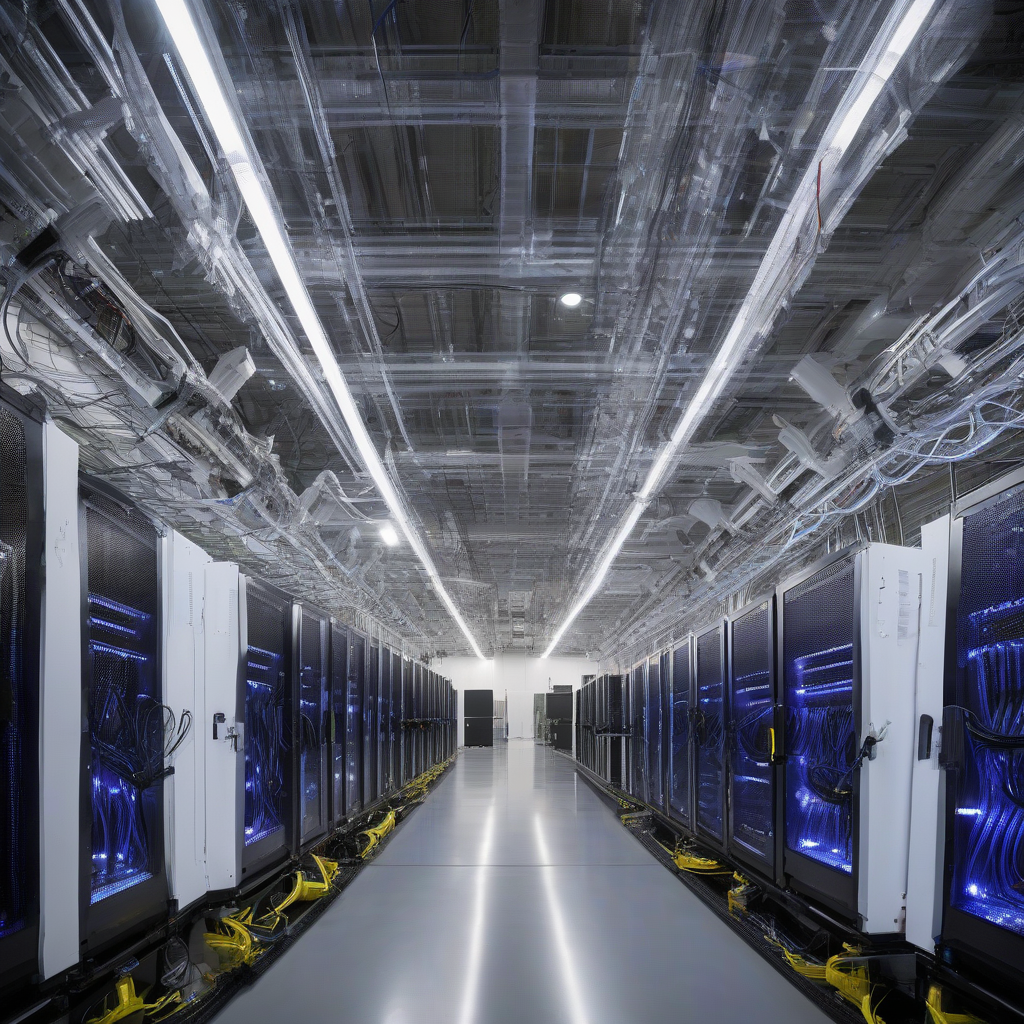
๐Ÿ“ธ Figure 1.2 ยท Operational Context
Figure 1.2: Secondary sector visual for Artificial Intelligence briefing on Tesla and SpaceX Align Artificial Intelligence Development Strategies.Skyline Intelligence

Strategic Implications

  • โœ“Tesla and SpaceX are sharing computational resources to enhance AI development.
  • โœ“The companies remain separate legal and capital entities despite the technical integration.
  • โœ“The collaboration focuses on optimizing machine learning training speeds for autonomous vehicles and rockets.

Tesla and SpaceX are deepening their operational cooperation regarding artificial intelligence infrastructure, according to Tesla. While the two entities remain distinct organizations with separate legal and capital structures, they are increasingly sharing proprietary computational capabilities to accelerate machine learning projects.

This strategic alignment centers on the movement of hardware and data processing power between the two companies. By optimizing the use of high-end computing clusters, the firms aim to improve the training speeds of their respective autonomous and predictive models. The collaboration is intended to streamline the deployment of AI-driven systems across both automotive and aerospace sectors without requiring a formal corporate merger.

Operational Data Overview

FeatureTesla FocusSpaceX FocusShared Component
AI ApplicationAutonomous DrivingAutonomous Rocket FlightComputing Power
InfrastructureTesla FSD / DojoStarship AvionicsHardware Utilization
Primary GoalFleet AutonomyOrbital PrecisionEfficiency Gains

Internal filings and public statements suggest that the cross-pollination of engineering talent and software stacks allows for more rapid iteration. According to Tesla, this partnership enables a more efficient allocation of resources that would otherwise be constrained by separate research and development budgets. The cooperation is primarily focused on software architecture, allowing engineers to apply lessons learned in autonomous vehicle navigation to the complex variables found in autonomous rocket landings.

Why It Matters

The integration of AI resources between high-growth technology companies signals a shift toward verticalized internal ecosystems. By bypassing the need for third-party cloud infrastructure, Tesla and SpaceX reduce their reliance on major technology providers while maintaining control over sensitive data. This trend suggests that large-scale industrial companies are prioritizing the creation of proprietary AI "moats" over traditional market procurement. If successful, this model could pressure competitors to move away from standardized enterprise software in favor of custom, internally-developed computational stacks designed specifically for high-velocity hardware environments.

Expected Next Steps

  • 1Increased deployment of shared AI software models.
  • 2Further integration of proprietary hardware clusters.
  • 3Expansion of cross-company engineering workflows.

Frequently Asked Questions

No, the companies are not merging on paper or in a corporate sense. They are aligning their artificial intelligence and computing resources.

The goal is to increase the speed of machine learning and autonomous system development by sharing internal computing power and engineering expertise.

Both companies remain distinct legal entities with separate financial structures; the collaboration is restricted to shared technical infrastructure.

Source Transparency & Verified Dispatches

โœ“ Verified Primary Data
โœ“
Tesla๐Ÿ’ผ Corporate Dispatch
Source โ†—

Reader Discussion & Insights

Leave a Comment

Loading discussion thread...

Get Breaking Global Intel in Your Inbox

Subscribe to the Skyline Wire AI Daily Briefing. Direct insights across Aviation, Tech, EVs, and Markets.

Original announcement link: Tesla

teslaspacexartificial-intelligenceautonomous-systems
tesla ai technologyspacex software developmentautonomous driving systemscomputational resource sharingartificial intelligence trendsaerospace machine learning