
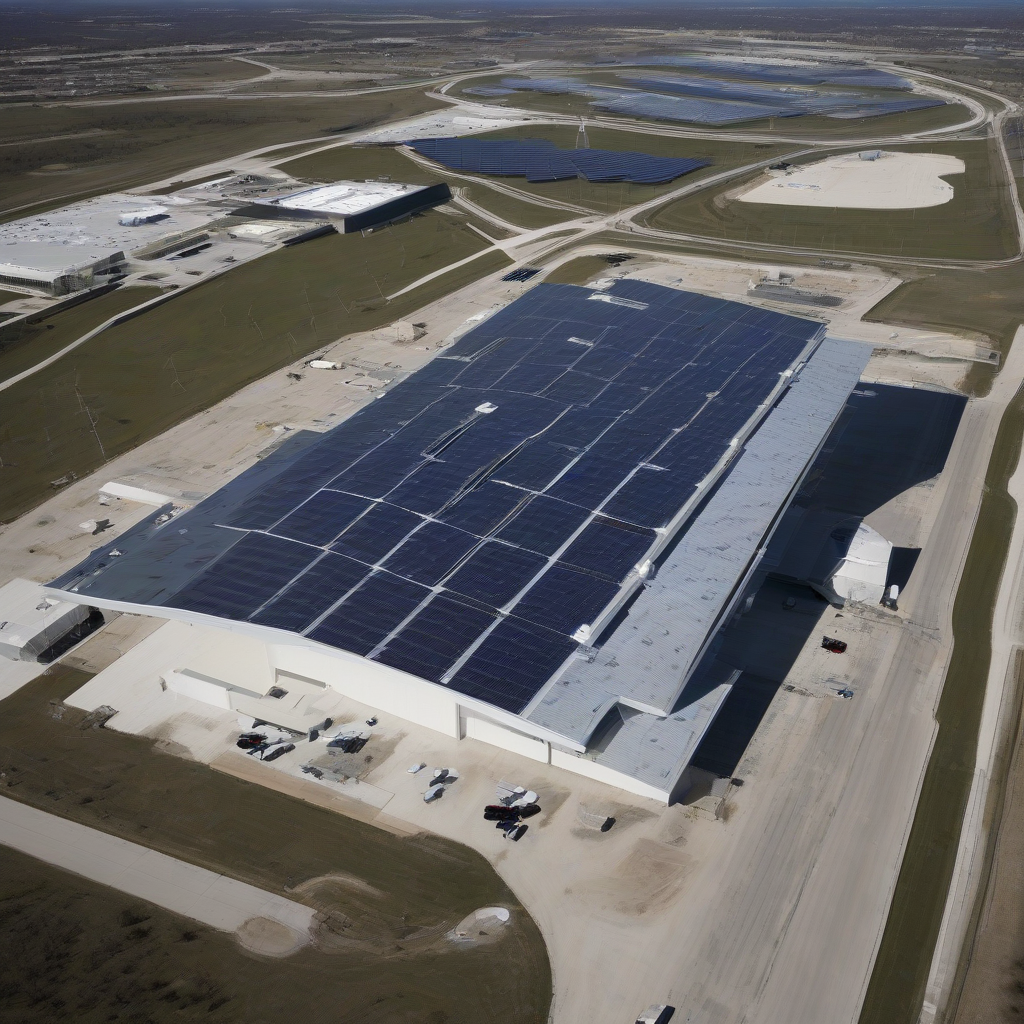

A 110-MW solar energy facility located in Texas has reached a financial milestone by utilizing non-traditional, fractionalized virtual power purchase agreements (VPPAs) and renewable energy certificate (REC) transactions to support its capital needs. According to Utility Dive, this approach offers a unique pathway for underwriting renewable infrastructure in markets characterized by significant price volatility.
By breaking down large-scale power purchasing commitments into smaller, fractional segments, the developers were able to attract interest from diverse participants, including those from the gaming sector. This strategy allows project owners to stabilize revenue streams by distributing the off-take risk across a broader base rather than relying on a single large corporate buyer.
Project Data Summary
| Attribute | Specification |
|---|---|
| Project Capacity | 110 MW |
| Location | Texas |
| Financial Instrument | Fractionalized VPPAs |
| Asset Class | Renewable Energy |
The transaction underscores a shift in how utility-scale projects approach the procurement of capital. In the Texas energy market, where supply and demand fluctuations are frequent, the ability to layer smaller, diverse agreements provides an essential cushion for developers.
Why It Matters
The adoption of fractionalized VPPAs represents a decentralization of the energy financing model. Traditionally, solar project financing required massive, multi-year contracts with single entities—typically Fortune 500 companies—to guarantee returns for lenders. By moving toward fractional participation, developers can now aggregate demand from smaller, high-growth companies or non-traditional sectors like tech and gaming. This democratizes the procurement process, lowers the barrier to entry for diverse corporate sustainability goals, and creates a more resilient financial architecture for renewable assets in deregulated power markets.
Reader Discussion & Insights