
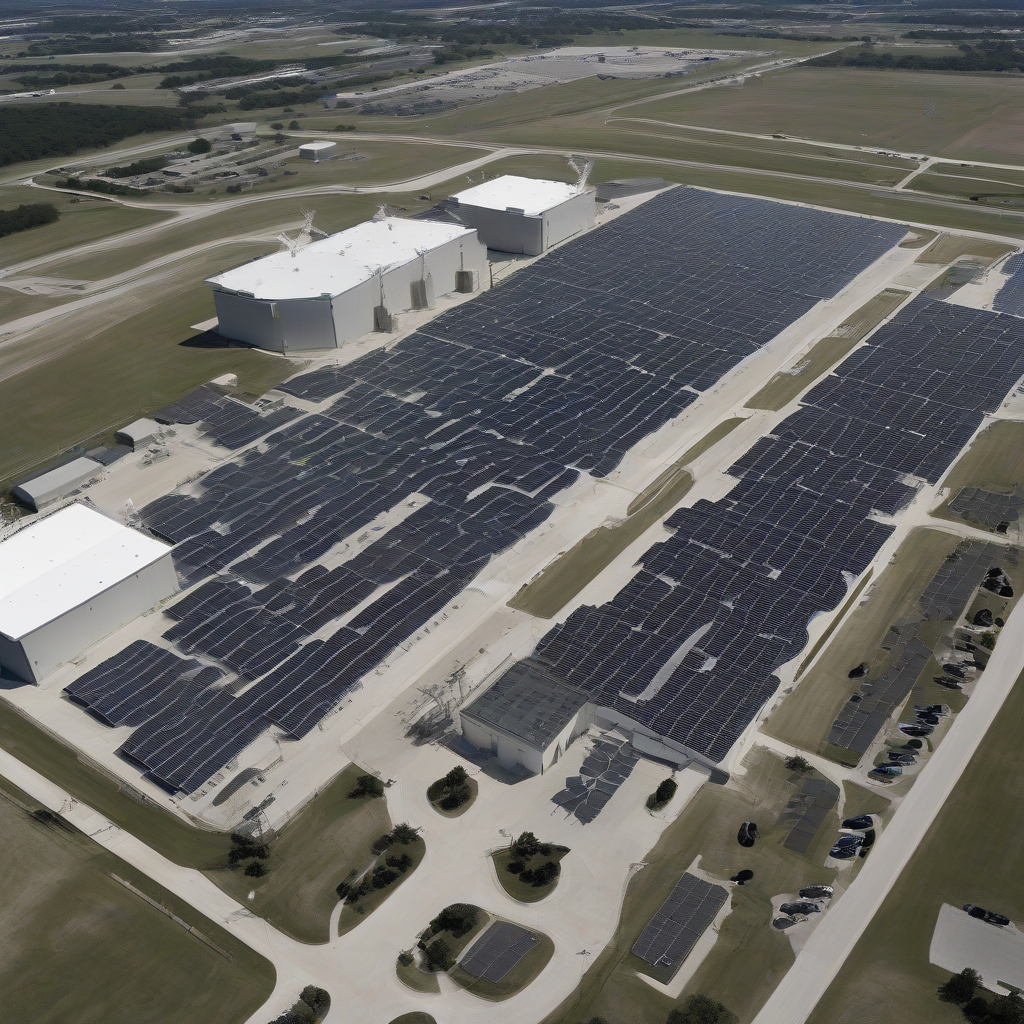
According to Ars Technica, Texas Governor Greg Abbott has issued an immediate directive to halt new power grid connections for data centers across the state. This moratorium, announced on August 3, requires developers to provide extensive documentation regarding the impact their facilities will have on the existing electrical infrastructure before proceeding.
The Governor has mandated that the Public Utility Commission of Texas and the Electric Reliability Council of Texas (ERCOT) conduct a comprehensive verification and audit of all data center projects currently moving through the ERCOT interconnection process. As an independent system operator, ERCOT manages the majority of the Texas power grid, which operates independently from other US regional networks.
Data Center Market Comparison
| Metric | Status |
|---|---|
| Current Growth Trajectory | Projected to surpass Virginia |
| Regulatory Action | Moratorium on new connections |
| Oversight Agency | ERCOT & Public Utility Commission of Texas |
| Directive Date | August 3 |
Texas has historically attracted massive investment in digital infrastructure by offering low-cost land, significant energy availability, and competitive state-level tax incentives. These policies have previously positioned the state to challenge Virginia as the primary hub for data centers within the United States. However, the rapid expansion of AI-driven computing has put newfound pressure on generation and distribution capacities.
Why It Matters
This policy pivot represents a potential inflection point for the regional AI economy. While data centers have been favored for tax revenue and job creation, the intersection of high-density computing and energy scarcity necessitates a more controlled growth strategy. This pause suggests that energy availability is transitioning from a commodity to a primary strategic constraint for the technology sector. Future expansion in Texas will likely require developers to integrate onsite power generation or sophisticated energy management solutions to meet new, stricter regulatory standards established by the state.
This decision forces operators to rethink their expansion timelines and may lead to a temporary migration of capital to regions with more accessible, immediate power capacity. Over the long term, this could establish a template for how other high-growth states address the massive electrical requirements inherent in modern AI hardware deployments.
Reader Discussion & Insights