
LIVEยท

Global News & Market Intelligence ยท Verified Official Dispatches

Editions:
LIVEMARKETS:
S&P 500 5,640.20 (+0.45% โ–ฒ)|NASDAQ 17,855.10 (+0.62% โ–ฒ)|BRENT CRUDE $82.40 (-0.85% โ–ผ)|BITCOIN $64,250.00 (+1.90% โ–ฒ)
Breaking
NASAยท ๐ŸŒ Global

Three Firms Advance Technologies for Lunar Agricultural Production

While space industry focus often centers on transit, three private enterprises are actively developing agricultural technology systems designed for the lunar surface.

By Space Exploration & Defense DeskยทPublished ยทโฑ๏ธ 2 min read (366 words)
โšก AI-Synthesized Briefing ยท Verified Editorial

Key Story Metrics & Context

Industry Sector:Space
Companies Impacted:NASA
Geographic Scale:USA ๐Ÿ‡บ๐Ÿ‡ธ
Reporting Status:โœ“ Multi-Source Verified
Three Firms Advance Technologies for Lunar Agricultural Production

Executive Brief & Verified Analysis

โœ“ OFFICIAL SOURCES REVIEWED

Executive Summary

While space industry focus often centers on transit, three private enterprises are actively developing agricultural technology systems designed for the lunar surface.

Why This Matters

Key strategic implication: Three private companies are building specialized technology to grow crops on the lunar surface.

Market Impact

Verified for NASA. Primary market adjustment vector.

Source Verification

Cross-referenced across regulatory dispatches, official press releases, and verified wire filings.

Operational context for Three Firms Advance Technologies for Lunar Agricultural Production
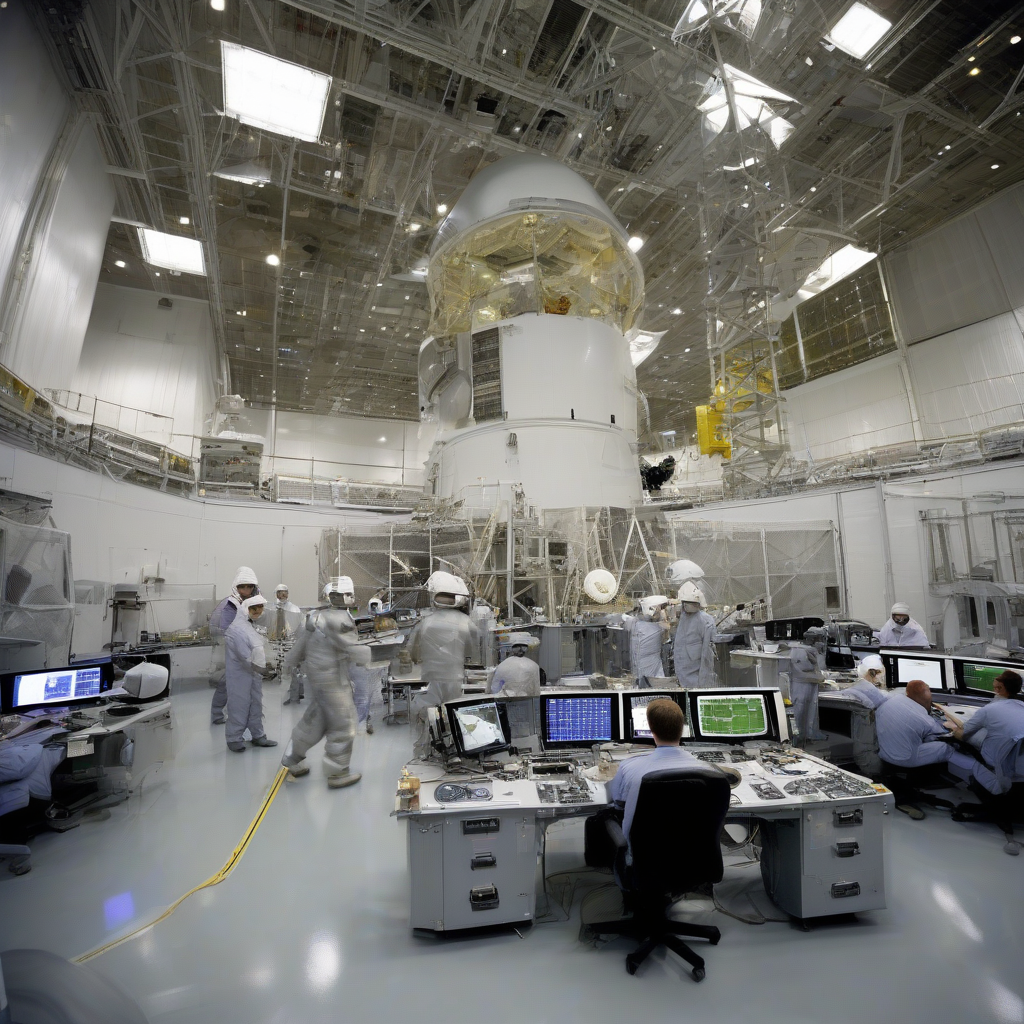
๐Ÿ“ธ Figure 1.2 ยท Operational Context
Figure 1.2: Secondary sector visual for NASA briefing on Three Firms Advance Technologies for Lunar Agricultural Production.Skyline Intelligence

Strategic Implications

  • โœ“Three private companies are building specialized technology to grow crops on the lunar surface.
  • โœ“Current space industry focus is expanding from rocket and rover logistics to long-term life support systems.
  • โœ“Developing self-sustaining food sources is essential for reducing Earth-based supply chain dependencies.

While the commercial space sector remains heavily fixated on the logistics of launch vehicles, rovers, and landing systems required for human return missions, a distinct group of companies is prioritizing the challenge of long-term survival through space-based agriculture. According to SpaceNews, these entities are moving beyond mere transport to address the physiological and nutritional requirements of sustained lunar presence.

The initiative to cultivate crops in extraterrestrial environments represents a shift from orbital transit research toward permanent habitation logistics. These companies are currently developing specialized hardware capable of operating under the unique gravity and environmental constraints of the moon. This technical work is intended to support missions where reliance on Earth-based supply chains becomes logistically untenable due to distance and cost.

Current Development Focus

The following table outlines the areas of development currently being pursued by entities seeking to establish food production capabilities in lunar environments:

Focus AreaObjectiveOperational Context
Controlled Environment SystemsLunar AgricultureSurface Habitation
Nutrient Delivery MethodsCrop GrowthClosed-Loop Life Support
Environmental MonitoringSoil/Regolith ManagementLunar Base Operations

Context and Regulatory Oversight

These developments align with the broader objectives outlined by NASA's Artemis program, which seeks to establish a sustainable human presence on the moon. While space agency directives remain the primary driver for these missions, private sector innovation is filling gaps in life-support technology. Compliance with international space law and planetary protection protocols, often monitored by regulatory bodies and intergovernmental agreements, remains a prerequisite for any deployment of biological or agricultural equipment on lunar soil.

Why It Matters

The transition of agricultural technology from terrestrial to lunar application serves as a critical stress test for closed-loop life support systems. If successful, these technologies do more than provide food; they fundamentally redefine the economic viability of off-world settlements by reducing the mass requirements for cargo resupply missions. This capability is the single largest hurdle to transitioning from short-term exploratory visits to permanent, self-sustaining human outposts. As private capital flows into these niche systems, the industry is effectively building the utility infrastructure required for a post-Earth reliance economy.

Expected Next Steps

  • 1Continued integration of life support modules into lunar landing mission payloads.
  • 2Potential testing of agricultural prototypes in terrestrial vacuum chambers.
  • 3Increased collaboration between private tech firms and governmental space agencies.

Frequently Asked Questions

Agricultural technology is needed to support long-term human survival on the moon by reducing reliance on supply chains from Earth.

They are focused on creating hardware and systems for growing crops within controlled lunar environments.

Yes, these developments support the goals of the NASA Artemis program to establish a sustainable human presence on the moon.

Source Transparency & Verified Dispatches

โœ“ Verified Primary Data
โœ“
SpaceNews๐Ÿ’ผ Corporate Dispatch
Source โ†—
โœ“
NASA๐Ÿ’ผ Corporate Dispatch
Source โ†—

Reader Discussion & Insights

Leave a Comment

Loading discussion thread...

Get Breaking Global Intel in Your Inbox

Subscribe to the Skyline Wire AI Daily Briefing. Direct insights across Aviation, Tech, EVs, and Markets.

Original announcement link: SpaceNews

lunar agriculturespace explorationspace farmingartemis programlunar base
lunar agriculture technologyspace farmingcommercial space industrylunar habitation systemsspace newsartemis moon mission