
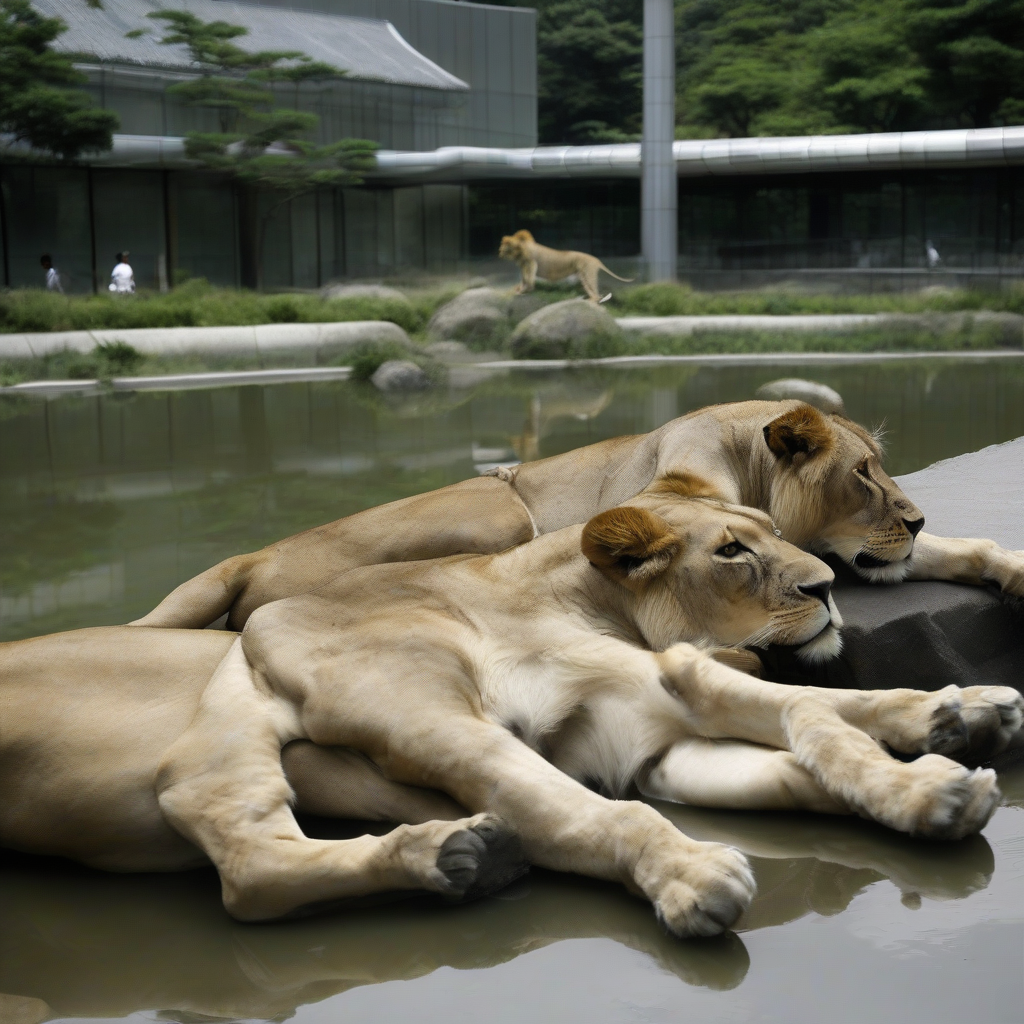
A lethal heatwave currently gripping East Asia has resulted in the deaths of three lionesses at a Tokyo-based zoo, according to Al Jazeera. The extreme meteorological event is placing severe stress on animals, local health systems, and human populations across the region.
As temperatures climb to record levels, zoological facilities are struggling to maintain safe environments for wildlife. The incident involving the lionesses highlights the intensity of the current thermal patterns affecting the Japanese capital and surrounding areas. Authorities have reported that this heatwave is testing the limits of current infrastructure designed to mitigate extreme weather impacts.
Meteorological Impact Data
| Metric | Status | Impact Category |
|---|---|---|
| Event Type | Record-breaking Heatwave | Meteorological |
| Regional Scope | East Asia | Infrastructure/Health |
| Reported Losses | 3 Lionesses | Biological/Zoological |
Public health officials and emergency services are responding to the surge in heat-related illnesses among the general population. Similar to the precautions taken in urban planning under European Commission environmental guidelines, city officials are evaluating whether existing climate control and public cooling measures are sufficient for such high-intensity, sustained temperature spikes.
Why It Matters
The loss of these animals underscores the vulnerability of managed ecosystems to climate volatility. From an industrial perspective, this highlights the necessity for public sector investments in resilient cooling technology. If critical infrastructure—ranging from power grids to zoological containment—cannot endure these temperature benchmarks, economic activity faces disruption via energy demand spikes and logistical delays. Industries relying on sensitive supply chains must now incorporate extreme weather contingency planning into their long-term operational projections to avoid cascading failures during heat events.
Reader Discussion & Insights