
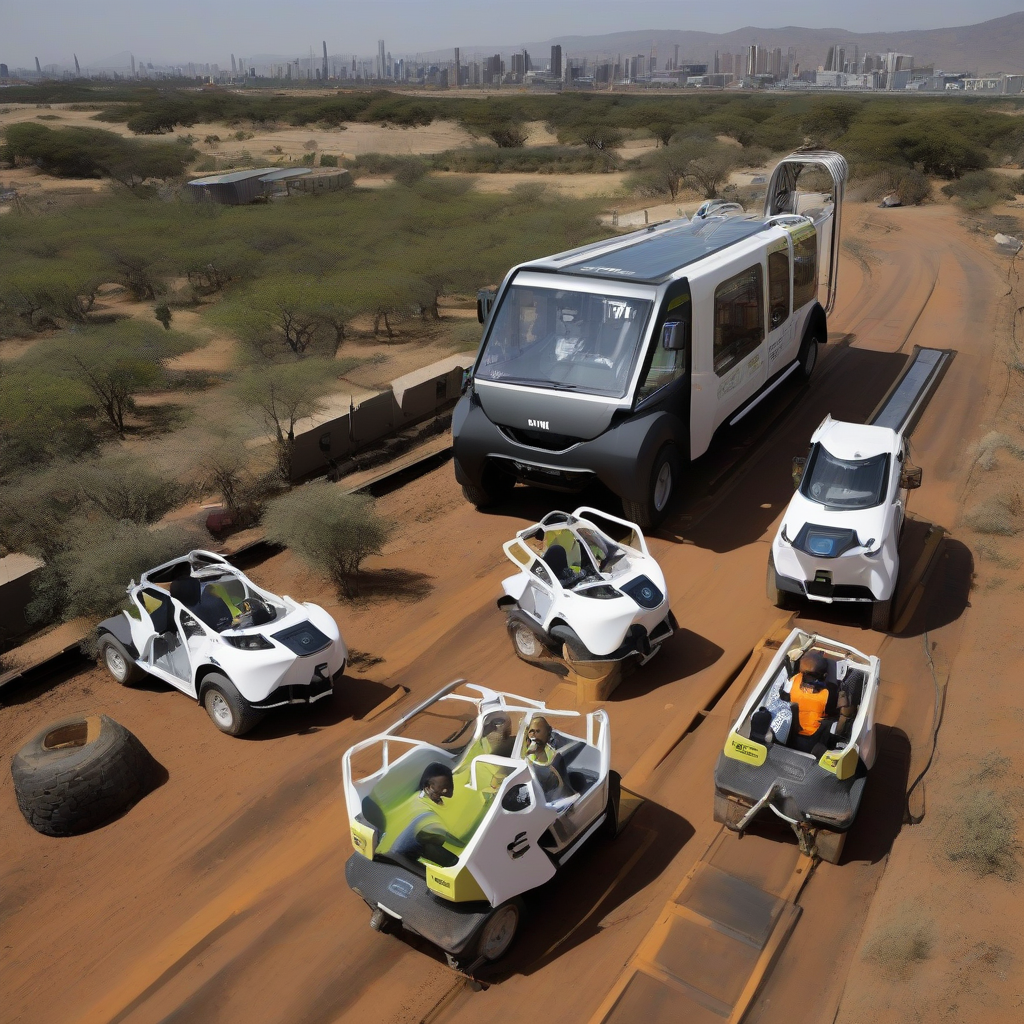

A new electric off-road vehicle, the Thula, has been unveiled in South Africa, marking a significant development for the safari tourism sector. According to electrive, unlike the majority of electric vehicles currently operating in this niche industry, the Thula was designed specifically as a purpose-built electric safari platform rather than a modified version of an existing internal combustion engine chassis.
Vehicle Specifications and Market Positioning
While many safari operators have previously relied on converting established 4x4 vehicles to electric powertrains to meet sustainability goals, the Thula represents a departure from this practice. By Engineering the vehicle from the ground up, the manufacturers have addressed the specific operational requirements of game drives and off-road terrain traversal, which often demand specialized torque curves and structural durability that generic conversions may lack.
| Feature | Specification |
|---|---|
| Vehicle Name | Thula |
| Primary Application | Safari Tourism |
| Design Approach | Purpose-built / Ground-up |
| Region of Origin | South Africa |
Why It Matters
The introduction of the Thula signals a maturing phase for electrified off-road transport. Historically, safari operators faced high maintenance and logistical hurdles when retrofitting existing combustion engine fleets due to inconsistent structural integrity and weight distribution. A purpose-built design likely allows for optimized battery placement, enhancing the center of gravity—a critical factor for off-road safety in uneven bush terrain. If successful, this model could pressure traditional automotive manufacturers to stop relying on aftermarket conversion kits and instead prioritize factory-integrated electric solutions for the specialized tourism market, potentially lowering long-term operational costs through improved component integration and efficiency.
Reader Discussion & Insights